05.0 - MANAGING CONTRACTS
05.1 - MODULE 05-1 - INTRODUCTION TO MANAGING CONTRACTS
05.1.1 - WHAT IS THE PURPOSE OF MANAGING CONTRACTS
The purpose of the Managing Contracts Module is to introduce those tools, techniques and methodologies for managing contracts that have been identified as being “best tested and proven” practices which have been found to work on “most projects, most of the time”; provide a logical or rationale sequence showing when those tools or techniques would normally and customarily be used and in selected instances, show how to use those tools/techniques and/or where to find additional information on how to use or apply them.
Perhaps one of the most important differences between Owner project control departments and Contractors project controls departments is the relative importance contracts are to owner’s vs contractor’s project control and project management teams.
In most large OWNER organizations, contract preparation and management is done by a separate functional department to that of Project Controls, often the functional responsibility of the legal or contract & commercial departments. However, for a CONTRACTOR’S project control department, the contract become the single most important document, for not only does it define the contractual work breakdown structure which tells us WHAT needs to be done, but it also tells us WHEN we have do certain thing through interim or completion milestones, and in some cases, the contract actually tells us HOW something is supposed to be done, especially with regards to safety, health and environmental procedures. What this means is for Contractor’s project control departments, managing the day to day execution of the contract becomes one of the major responsibilities. So while the project charter, along with the supporting documentation serves as the primary means for Owners to officially recognize that a project exists, authorizing the allocation of resources and spending of money, for a Contractor, the document which serves the same purpose is a signed contract.
So given these differences, if the objective of an Owner or Contractor to minimize or eliminate disputes and claims, then whichever functional department contracts is under needs to be proactive in working closely with project controls, in particular, the forensic analysts, to structure contracts in a way designed to reduce if not eliminate disputes and claims and if they do occur address them promptly and proactively rather than let them drag on.
Another important difference in perspective or relative importance is that especially under “firm fixed price” contracting, where the Contractor is working on single digit EBIT margins, a poorly written contract from the owner, with conflicts, ambiguities, errors or omissions, represents an OPPORTUNITY for the sharp Contractor to exploit via change orders or claims.
Our role as project control practitioners in managing contracts is perhaps one of the least appreciated or recognized roles and responsibility a project control department has, particularly when comparing the Owner’s perspective against that of the Contractor’s.
05.1.2 - WHAT ARE THE PROCESS MAPS FOR MANAGING CONTRACTS
From the OWNER’S perspective, the primary processes in Managing Contracts are designed to sufficiently defining the scope so that the technical specifications and engineering drawings can be created providing a sufficient level of detail in order for the owner to put the project out for bidding. HOPEFULLY, if the Owner is savvy, the engineering and contracting team members will be realistic in determining what their true level of scope definition is and then choose a contracting type and contracting method appropriate to the level of real or true scope definition. Judging by the proliferation of claims and disputes, this appears NOT to be the case, but it is worth emphasizing in the Guild CaR. With the hopes that project control professionals can and will be able to influence these kinds of decisions.
OWNERS PROCESS MAP-
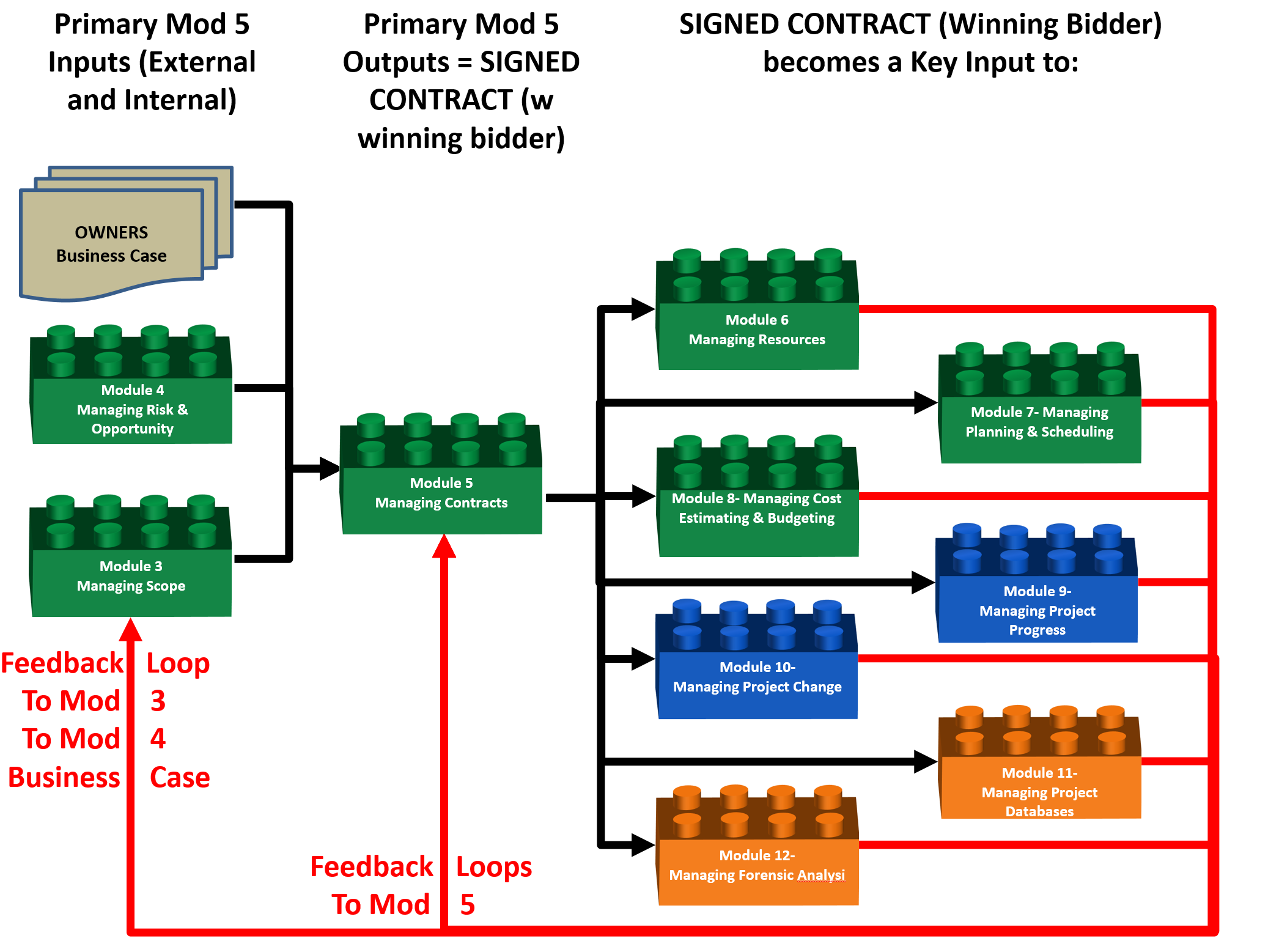
Figure 1 - 1,000 Meter Process Flow Chart for Managing Contracts, from the OWNER ORGANIZATION PERSPECTIVE
Source: Guild of Project Controls
As Figure 1 illustrates for an OWNER’S ORGANIZATION, the INPUTS to Module 5, Contract Management are coming from sources both EXTERNAL and INTERNAL to the project and consisting of:
- The Owner’s Business Case (External)
- Work Breakdown Structure (WBS) (Internal)
- Risk and Opportunity Analysis (Internal)
The primary or key deliverable from the Managing Contracting processes is to be able to put the project out to bid, with the objective being to award the contract to the lowest responsible bidder (in the event there is only going to be a single prime contractor) or bidders, if the owner has chosen to break the project into pieces and award contracts to multiple prime contractors.
Assuming the scope of work is complete, with no errors, omissions, ambiguities or duplications, the Contractor takes the scope of work as defined in the contract documents, applies any date or other constraints also coming from the contract documents, and creates a fully cost and resource loaded CPM schedule, showing how the Contractor intends to execute the project, producing the deliverables defined by the WBS within the time frames established in the contract documents. This fully cost and resource loaded CPM schedule is known as the “Performance Measurement Baseline” (PMB) and upon acceptance of the Contractor’s PMB by the Owner, the Owner issues a “Notice to Proceed” (NTP) which formally authorizes the contactor to commence work per his/her plan.
If the project is done internally (by either the Owner or the Contractor), where no work has been contracted out, then the PROJECT CHARTER serves the same purpose as a Contract, authorizing the internal project team to commit and expend organizational resources. Regardless of whether the project is done internally or contracted out, it should still have a cost and resource loaded CPM schedule to serve as the performance measurement baseline (PMB).
As indicated by the red lines, for an Owner, the outputs from each of the follow on processes, form feedback loops, which is why implementing a robust double loop learning process is critical to doing a better job of managing contracts, particularly through the creation and use of “lessons learned” databases.
CONTRACTOR’S PERSPECTIVE-
Figure 2 below illustrates the small but very important differences in the processes of contract management between the Owner’s perspective and that of the Contractor.
Because the scope has been defined by the Owner in the contract documents via the Contractual Work Breakdown Structure, and because the contract documents should provide the contractor with sufficient information to reasonably identify and quantify the risks being assumed by the Contractor should he/she win the bid, when the contractor bids or provides a quote for the work, that number is or at least should contain appropriate risk contingencies, both in terms of time and cost. In the case of a Contractor, once the bids are in and the winning bidder has been selected or appointed, the key document that enables the Contractor to commence work is the Notice to Proceed (NTP) or if the project is internal to either an Owner or a Contractor, the project charter is issued.
Normally, one of the contractual requirements which is a pre-requisite to the Owner issuing the Notice to Proceed is for the Contractor to provide a fully cost and resource loaded CPM schedule, which establishes what is known as the Performance Measurement Baseline (PMB). This is the primary output from the integrated Module 7, Managing Planning and Scheduling and Module 8, Managing Cost Estimating and Budgeting. Once accepted by the Owner, the PMB becomes the plan against which progress is tracked and measured and against which payments are made to the contractor for work performed against the plan. This all happens in Module 9, Managing Progress. The output from these and the other processes all feed back into Managing Contracts.
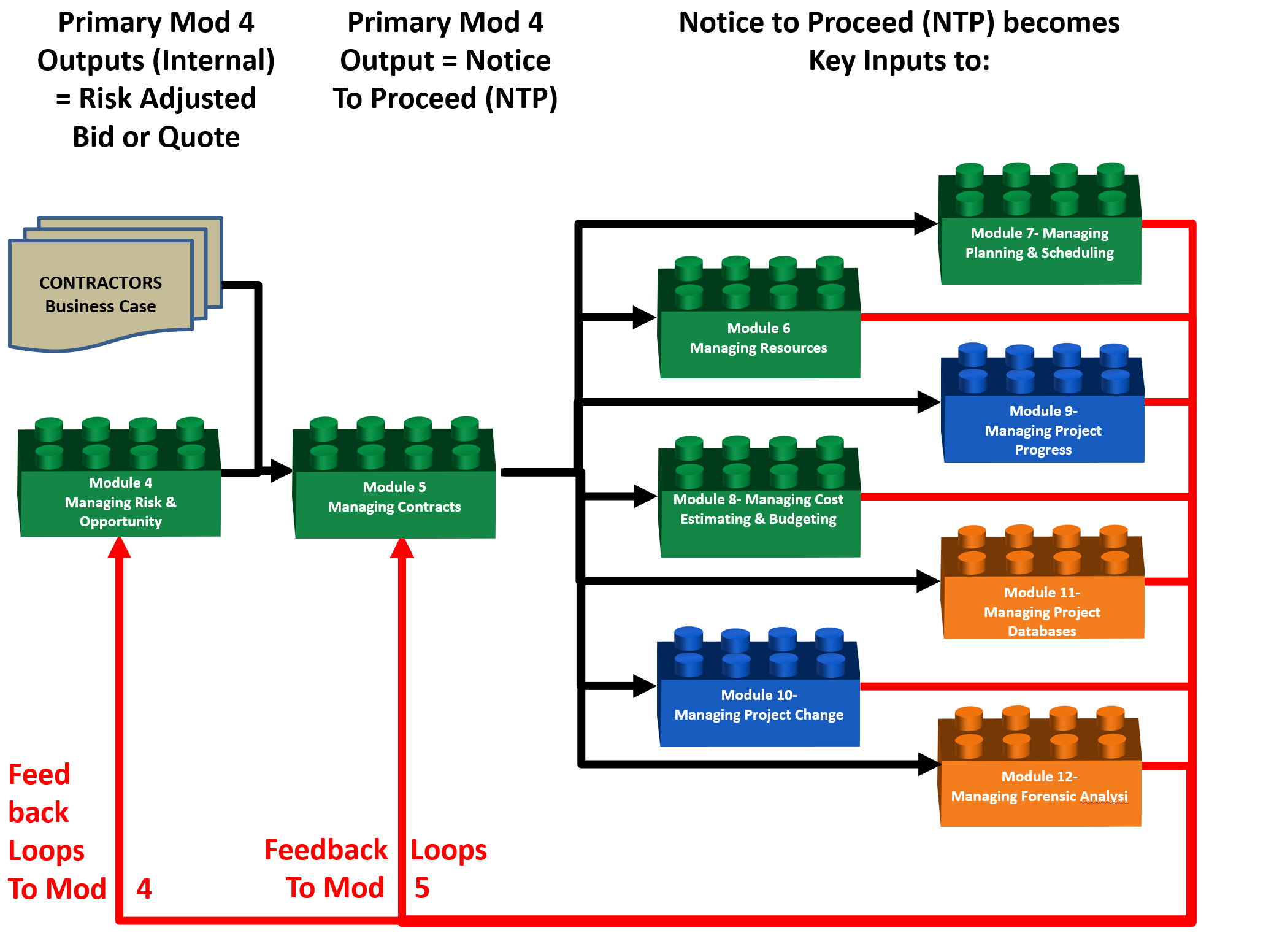
Figure 2 - 1,000 Meter Process Flow Chart for Managing Contracts, from the CONTRACTOR ORGANIZATION PERSPECTIVE
Source: Guild of Project Controls
As we can see from Figure 2 above, the Bid, as prepared and submitted by the Contractor to the Owner in response to an RFP or RFQ, is or should be a risk adjusted value. Once the Owner accepts the bid and signs the contract, the Contractor must submit the PMB as a prerequisite to obtain the Notice to Proceed from the Owner. Once this happens, the Contractor is expected to execute the work in substantial conformance with the PMB and the outputs from the subsequent modules feedback to both the risk and opportunity management process (Module 4) as well as the contract management processes. (Module 5)

Figure 3 - The Managing Contracts Process Map 100 Meter Level of Detail
Source: Guild of Project Controls
For OWNER ORGANIZATIONS, the process to manage contracts is or should be initiated by the creation of a Standard Operating Procedure (SOP) which is realistic and is actually developed and maintained by those expected to follow it. For most OWNER ORGANIZATIONS, contracts are not managed by the project team or project controls team but by a separate functional organization. If this is the case, then there needs to be close and constant communications between the Owner’s project management/project control team and the Owner’s legal or contract management team.
The second step in this process is a PLANNING process where the OWNER’S organization has to select the contracting type and delivery method which is most appropriate to the level of scope definition they have achieved, understanding that selecting a contract type that is inappropriate to the level of scope definition is a recipe for disaster in terms of change orders, claims and disputes.
The selection of the contracting method and type of contract becomes a direct input into the tendering and bidding documents, which is then put out to bid via RFQ or RFP and the winning bidder is then awarded the contract. This process is shown as an INITIATING process, as for the CONTRACTOR organization it is the SIGNED CONTRACT which, when issued the Notice to Proceed (NTP) from the Owner, becomes the “project charter” for the contractor.
The fifth step in this process is to manage the contract, which is a responsibility of BOTH the OWNER and CONTRACTOR. There is a big difference here in so far as for most CONTRACTORS, the Administration of the contract is done by the Contractors Project Manager with the support of the Project Controls Team, while for most OWNER organizations, contract management is not done by the Owner’s Project Manager but by a separate functional department often the Legal or Contracts department. This can often cause delays and communications problems if not managed effectively, especially by the project controls team.
The fifth and final step in this process is to close the contract, which also is a responsibility of both the OWNER and CONTRACTOR. The primary deliverables from this process is that all work is completed in substantial conformance to what was required in the contract documents; that all the administrative requirements have been fulfilled and that the Contractor and all subcontractors and vendors have been paid, including the release of any retention or retainage.
While this level of detail provides a more granular look of the processes and how they interact than the 1,000 Meter view, there is yet another deeper level of detail which the Guild calls the “ground” or “working level”. It is the next level deeper which contains the explanation for each of the modules shown above, telling more about what inputs are required, including providing some examples; what tools, techniques are typically used, including providing examples or templates, and in selected instances, specific step by step instructions or links to additional resources, showing how to use each of these tools or techniques consistent with the Guild’s commitment to identify and advocate “best tested and proven” practices.
05.1.3 - BACKGROUND INFORMATION FOR MANAGING CONTRACTS
In most large organizations, contract preparation and management is done by a separate department to that of Project Controls, often the functional responsibility of the legal or contract & commercial departments. While this makes sense, if the objective of an owner or contractor to minimize or eliminate disputes and claims, then whichever functional department contracts is under needs to be proactive in working closely with project controls, in particular, the forensic analysts, to structure contracts in a way designed to reduce if not eliminate disputes and claims and if they do occur address them promptly and proactively rather than let them drag on. (See item #3 from the leading causes of disputes research below).
Our role as project control practitioners in managing contracts is perhaps one of the least appreciated or recognized roles and responsibility a project control department has, particularly from an owner’s perspective.
Based on the 2015 KPMG research, it is clear that projects are failing with far too much regularity. Which is why we, as project control professionals need to know and understand the magnitude of the problem as well as know and understand the leading causes of project failures caused by poor contracting practices. Why is this important for us to know and understand? Because as project control professionals, we are in the unique position to influence, mitigate or prevent these failures from happening.
In 2012, EC Harris, in collaboration with Arcadis, published a comprehensive analysis and review of the causes for disputes in 2011. Below is a finding of their analysis.
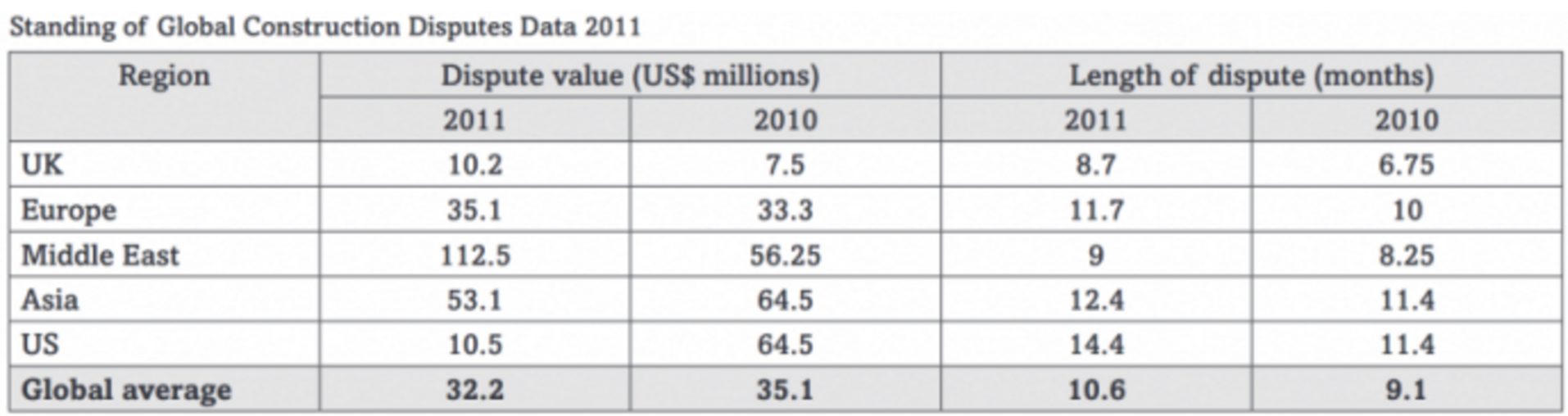
Figure 4 - Dispute Values and Dispute Durations by Region for 2011
Source: Global Construction Disputes: Arcadis
As we can see from the research above, this is a 221.4 million USD problem that has the potential to add almost a full year to a contract duration. These impacts are global in nature and based on the findings, many of the “root causes” are contractually related.
Here are the findings from this research:
“In terms of what was causing these disputes, the issues most typically identified were:
- a failure to properly administer the contract,
- ambiguities in the contract documents,
- a failure to make interim awards on extensions of time and to give associated compensation,
- incomplete design information or employer requirements and conflicting party interests”.
As can see the majority of these items are contract related. The report concluded by stating that:
- “although the value of disputes seemed to be decreasing and the trend toward settling them was becoming less formal”:
- “... disputes are still costing the industry unnecessary time and money and greater focus is still required to help avoid the dispute from the very outset through better contract document design, production and administration, as well as improvements in the level and standard of relevant design information.”
To put the recommendation for “better contract document design, production and administration” in terms of what this means for the project control practitioner, getting the “right” or “best” contract is of critical importance.
Summarizing, as evidenced by the proliferation of claims, disputes and litigation, not to mention the rather abysmal “failure” rate of projects, it is clear that “contracting” as it is currently practiced is not working, either for owners or for contractors. So how to start to fix this problem?
Contract TYPE is determined by Project Scope Definition
Contracting type is determined by scope definition and one of the most frequent and often fatal mistakes is for owners to select a contracting type which is inappropriate to the real or true percentage of scope defined at the time they put the contracts out to bid. Using a contract type which is inappropriate to the level of scope definition is a guaranteed recipe for disaster.
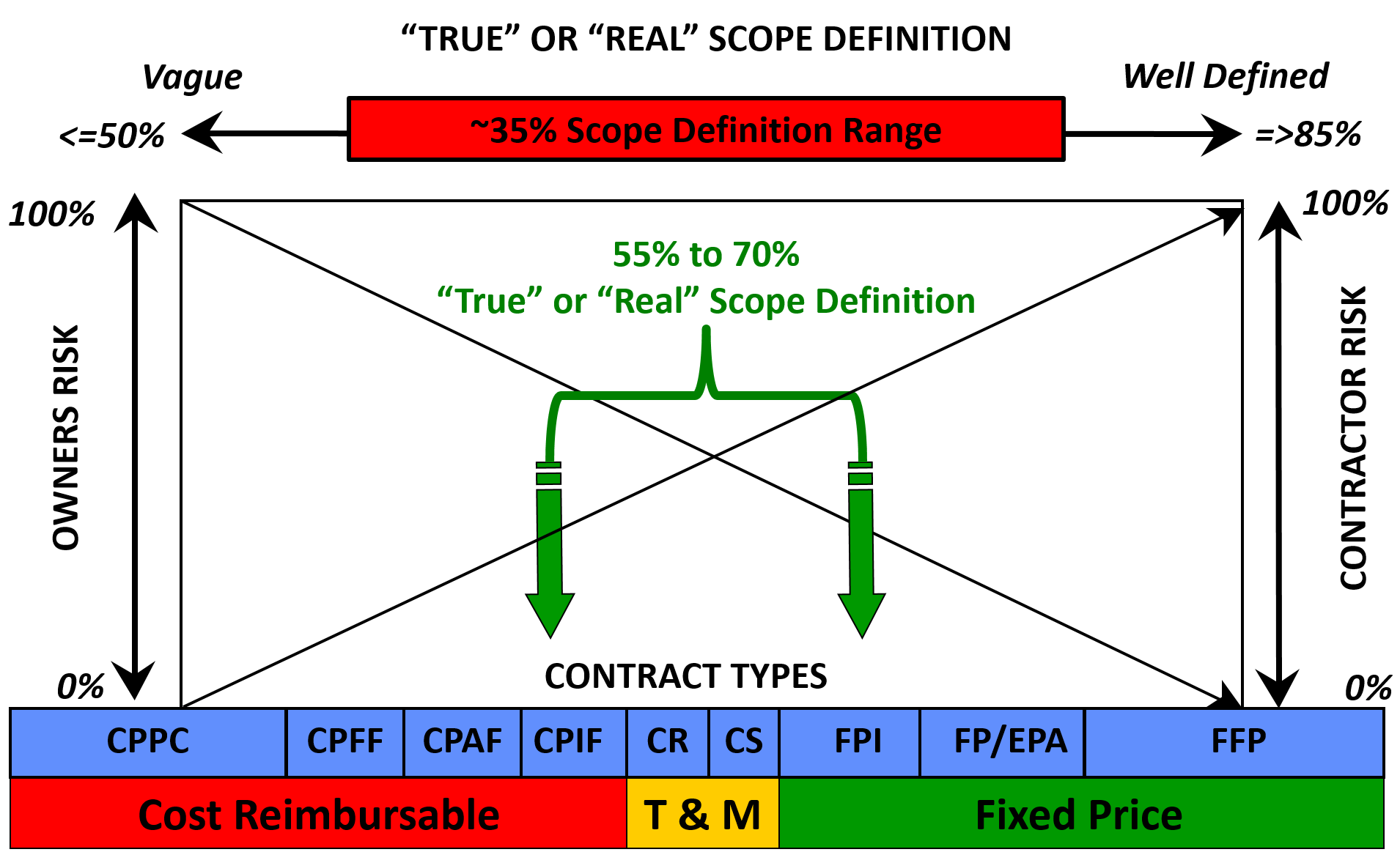
Figure 5 - Scope Definition and Risk Allocation by Contract Type
Source: Adapted from Garrett, Gregory (1997) "World Class Contracting", 1st Edition by Giammalvo, Paul D (2015) Course Materials. Contributed Under Creative Commons License BY v 4.0
The figure above is an adaptation of a graphic developed by Greg Garrett in his book “World Class Contracting” (1997) which shows very clearly that scope and risk apportionment are directly related to contract type. For a more clear explanation, the figure below is another graphic which explains this in more detail.
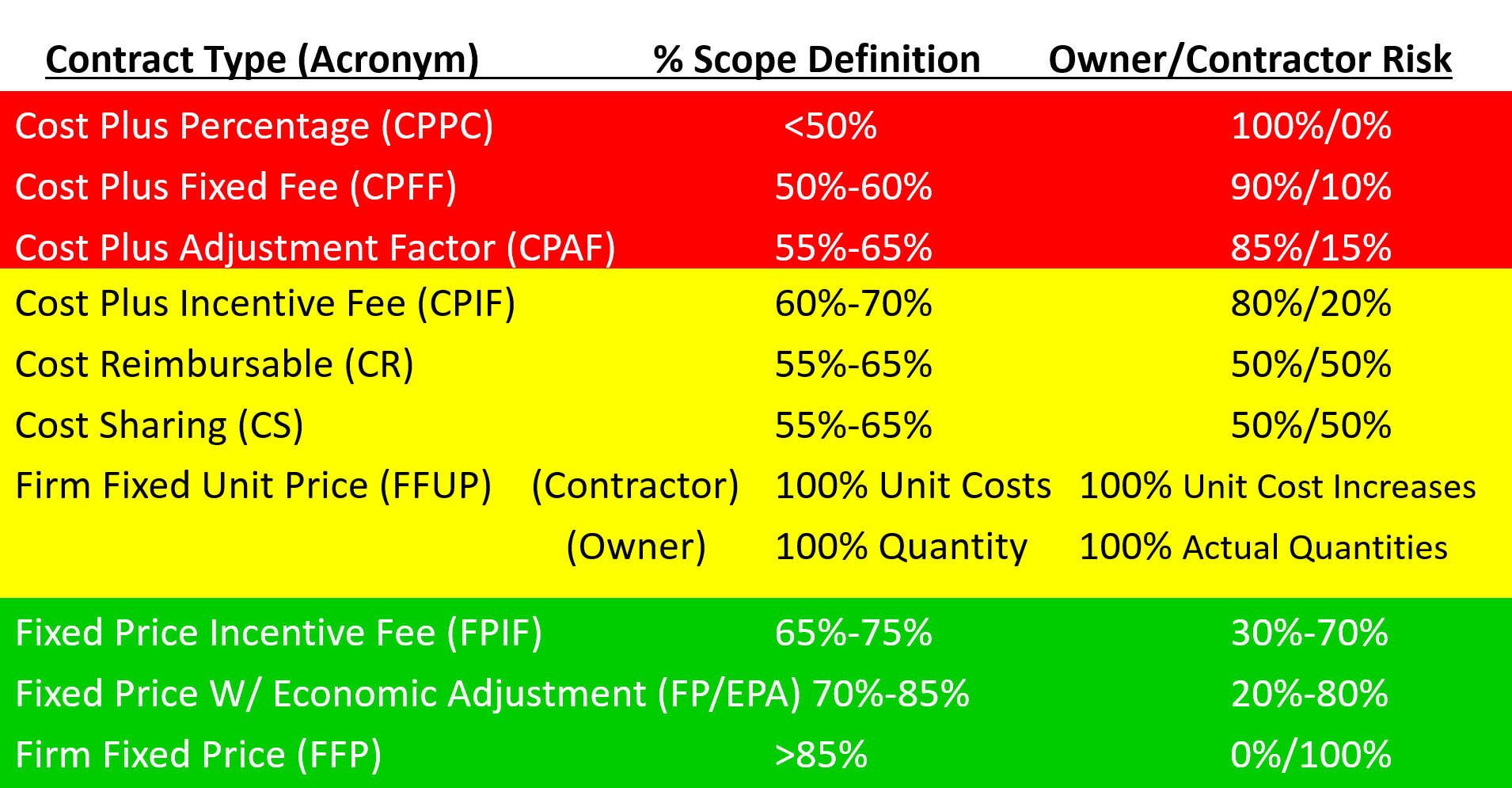
Figure 6 - Detailed Explanation of what Garrett’s Graphic is showing us
Source: Adapted from Garrett, Gregory (1997) "World Class Contracting", 1st Edition by Giammalvo, Paul D (2015) Course Materials. Contributed Under Creative Commons License BY v 4.0
Unfortunately, the tendency of many if not most owners is to try to pass along as much risk as possible to the contractor, using firm fixed price contracting, with either no appreciation or a false understanding of how much scope they are really including in their contract documents. Then when the owner starts to get change requests, they blame the contractor when in fact, scope definition is not the contractor’s responsibility at all but the owners. For a contractor, ambiguous or conflicting scope represents a potential OPPORTUNITY, which as good business people, they are obligated to their shareholders and owners to exploit. Explained another way, if owner organizations are receiving large numbers of change orders, they need to look internally at their own scope definition process first before blaming the contractors for being “greedy”.
Another “root cause” problem which owners are often guilty of and that is they rarely if ever give any thought to what risks the contractor can possibly manage if at all (i.e. External Risks from our Risk Register) or whether any specific risk can better be managed by the owner rather than the contractor. These two statements above helps explain at least some of the root causes problems identified in the Harris / Arcadis research.
Here is another reason why BIM, at least in theory, is going to improve on the scope definition. There are many books and credible research such as those published by NASA’s Glenn Butts, Prof. Bent Flyvberg and more recently, Ed Merrow from IPA which present a compelling argument that:
- Owner organizations tend to be unrealistically optimistic in terms of both time and cost and;
- They tend to grossly underestimate scope, sometimes by orders of magnitude- 200% to 300%.
The illustration below provided by Glenn Butts from NASA stands a classic example of the kind of thinking that project control professionals, working for owner organizations in particular, need to be aware of in our role as “Subject Matter Experts” and support our management in developing a more realistic understanding of the scope of a project and its relation to time and cost, all three of which are inextricably related.

Figure 7 - Example of Unrealistic or Overly Optimistic Scope Definitions
Source: Butts, Glenn (2010) Mega Project Estimates- A History of Denial
Ideally, BIM will help prevent or at least minimize this kind of unrealistic expectation, at least early enough in the process to enable management to take a more realistic look at the business case. In the world of oil, gas and mining this concept is known as “Front End Loading” (FEL) which is why in many phase gate models, you will see reference to the first phase (Phase 1) as “Identify” or FEL1, the second phase gate (Phase 2) as “Assess” or FEL2 etc.
To check to see exactly what percentage of scope definition your organization is really developing for your contractors, vendors and even for your own internal projects take the approved budget on the date the project was officially authorized (funded) and divide that by the final cost at completion (the number provided to your accounting/finance department for depreciation purposes) which will yield a reasonably accurate percentage of the real or true scope definition. Based on unpublished research, this number is commonly 50% to 70%, which helps explain in part why projects consistently finish late and/or over budget.
- (Authorized Funding Amount / Final Cost) X 100 = True Scope Definition
Thus if your Baseline Budget for the project was $100 million USD and your total project costs (depreciable value as turned over to accounting or finance) was $150 million USD then your true scope definition at the point of authorization would be 100/150 = 0.667 X 100 = 66.6 percent scope was accurately and correctly defined at the beginning of the project.
These figures are not at all uncommon and is a calculation the project control department should be calculating and communicating to management, as scope definition determines the contract type and if your organization is consistently defining less than 85% scope and are still using Firm Fixed Price contracting methods, you are setting yourself up for change orders from the contractors.
For those interested in learning more about this topic, here is the recommended reading list:
- Butts, Glenn (2009) Joint Confidence Level Estimates- A History of Denial http://www.build-project-management-competency.com/wp-content/uploads/2…
- Butts, Glenn (2010) Mega Project Estimates- A History of Denial http://www.build-project-management-competency.com/wp-content/uploads/2…
- Flyvbjerg, Bent; Skamris, Mette; Holm, Buhl, Søren (2002) Underestimating Costs in Public Works Projects Error or Lie? https://arxiv.org/pdf/1303.6604.pdf
- Merrow, Edward (2012) Oil and Gas Industry Megaprojects: Our Recent Track Record https://www.spe.org/media/filer_public/de/15/de15f740-fa58-4ca9-9383-ff…
Also important to know and understand at this point is the different types of specifications Owners can provide to Contractors as well as the various specification standards available.
What are “Construction Specifications”?
According to the American Institute of Architects (AIA) Document A201-2007, the Contract Documents for a construction project consist of “the Agreement, Conditions of the Contract, Drawing, Specifications, Addenda…”, as well as other miscellaneous documents associated with the contract between the project Owner and the Contractor hired to complete the work. Construction specifications, as noted, become a part of the legal documents of the agreement and form a cornerstone of the project design. In fact, in most cases, the construction specifications override the project drawings in the event of conflicting information.
- The purpose of construction specifications is to delineate the requirements regarding the materials, products, installation procedures and quality aspects involved with execution of the work and fulfilment of the contract
Specifications can be divided into three primary categories: performance, prescriptive and proprietary or reference, which are described below.
What Construction Specification Standards are available?
We have 4 generic types of specifications we can use:
(1) Performance Specifications
A performance specification is a document that specifies the operational requirements of a component or installation. Simply put, a performance specification tells the contractor what the final installed product must be capable of doing. The contractor is not instructed as to how to accomplish the task of meeting the performance specification requirements - only as to how the component must function after installation. For example, a performance specification may be used in the construction of an industrial pumping system. The specification would provide a required pumping rate (say 500 gallons per minute), a required pressure (20 psi) and the difference in height between the pump and the final destination (+40 feet). The specification will also state that the liquid to be pumped will be at a temperature of 140°F and is corrosive (pH of 3). It is up to the contractor to provide pumping equipment that meets or exceeds the requirements stated in the specification. In many cases the contractor will also be required to test equipment to make sure that is operating properly, and will provide operations manuals.
The general concept behind the performance specification is for the architect or engineer to describe what they need, and the contractor to determine the best way to get there. The performance specification focuses on the outcome and shifts the selection of materials and methods, as well as a portion of the design work, onto the shoulders of the contractor. This approach can provide incentives for innovation and flexibility in the construction approach, but also reduces the amount of control that the architect or engineer has over the project.
(2) Prescriptive (or Descriptive) Specifications
Prescriptive specifications convey the requirements of a project through a detailed explanation of the materials that the contractor must use, and the means of installing those materials. This type of specification will typically be formatted in a manner similar to the following sections:
- General: This section will typically contain references to national/international standards, design requirements, a list of required submittals from the contractor to the architect/engineer, quality control requirements and product handling requirements.
- Products: This section will describe, in detail, the various products required for the task covered by the specification along with the individual structural and performance requirements of each product.
- Execution: This section will explain how to prepare the materials and conduct the installation, including the testing requirements to be followed.
Prescriptive specifications shift more of the project design control onto the shoulders of the architect or engineer and away from the contractor by establishing a set of rules that is to be followed for each project component. This type of specification provides more certainty regarding the final product composition than the performance specification, and is very frequently used for highly complex portions of a project.
The dangers in this is if the design if faulty, then the contractor cannot be held liable or accountable, provided he/she substantially adhered to the prescriptive specifications, including the proper installation. As we know from the research published by Harris / Arcadis, conflicts with the design documents are one of the leading sources of disputes and much of the disputes come from incomplete, conflicting or ambiguous specifications.
(3) Reference Standard Specifications
Reference Standard specifications are similar to Prescriptive or Descriptive specifications but instead of going into the detail required under Prescriptive / Descriptive, the owner will say brand XYZ, model 1234 OR EQUAL. In this type of specification, in the event the contractor chooses to use a different brand or model, the burden of proof is on the contractor to prove to the owner’s contract or project manager that in fact, the alternative proposal meets or exceeds the referenced standard.
(4) Proprietary Specifications
Proprietary specifications are those that require the use of a single approved product type for any particular installation. Proprietary specifications are often used in cases where there is existing equipment or installations already on site. In these cases the owner may want to maintain consistency of materials or possibly simply prefers a specific type of product for service or maintenance considerations. Also, in highly complex installations where there is only one specific piece of equipment that will accomplish a specified task, a proprietary specification is required.
Architects and engineers typically try to avoid utilizing proprietary specifications except when absolutely necessary, and will usually allow the contractor to select from a list of approved suppliers using Prescriptive/Descriptive or Referenced Specifications. Requiring the use of one specific product type can lead to the perception of favoritism towards a certain manufacturer and may eliminate competition during the bid phase, which may increase the project cost.
In a contract, it is highly likely that there will be a mix of all three types of specification. However, for the incentive type contracts, normally we tend to find more performance specifications than we do than prescriptive, the reason being that with incentive contracting, we want to enable the contractor to use as much imagination and innovation as possible to meet whatever objectives are important to the owner.
OWNERS responsibility for better contracts
While the OWNER has multiple purposes for a cost estimate, the Contractor essentially has one. To prepare a bid, which hopefully will be low enough to win a contract but high enough to still be able to make a profit appropriate to the risks the owner has placed on the owner via the contract documents.
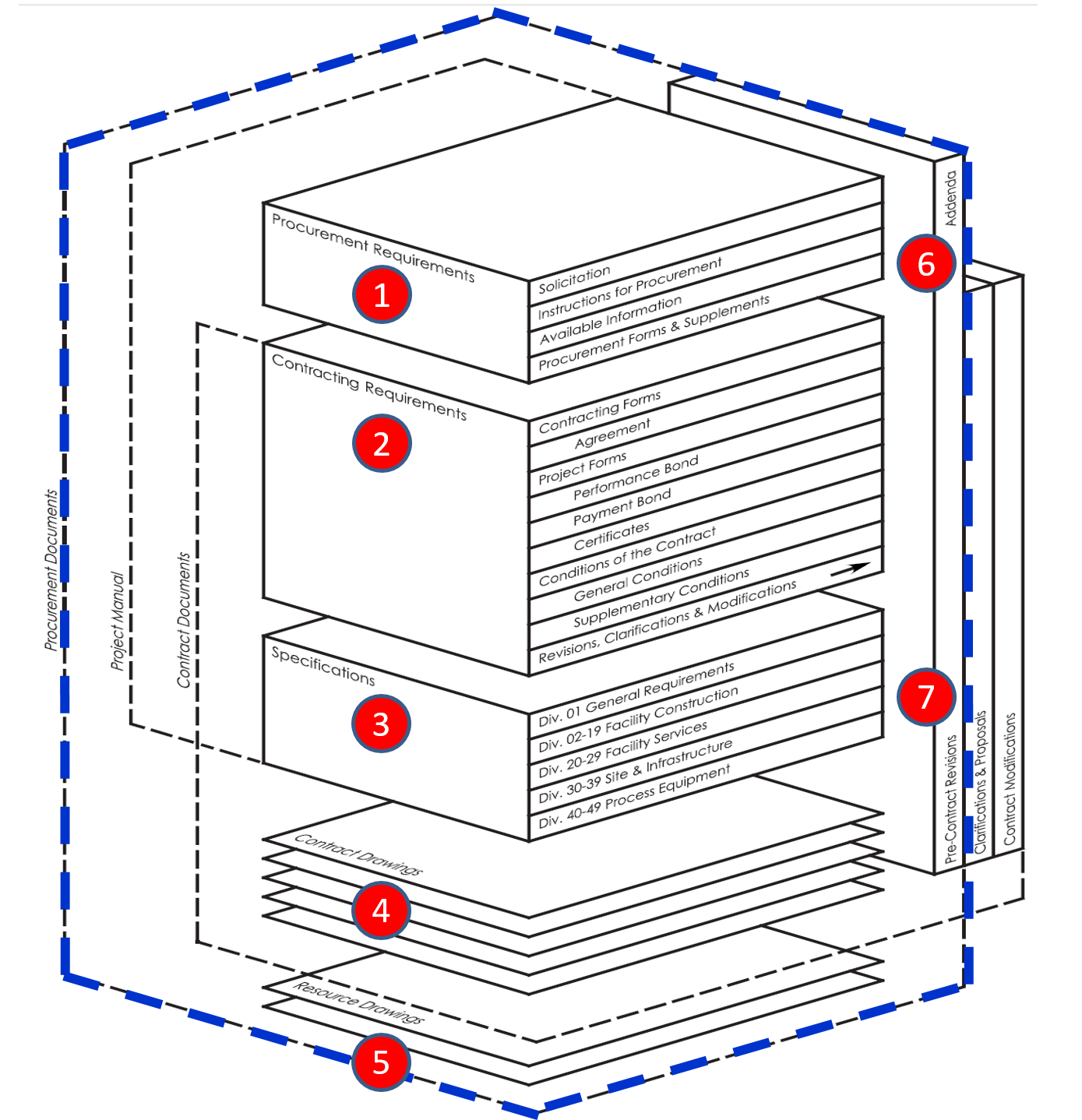
Figure 8 - Scope of Work Defined for the Contractor
Source: Construction Specifications Institute Project Resource Manual, 5th Edition
For the CONTRACTOR, the scope of work is define first by the PROCUREMENT DOCUMENTS, which are created by the OWNER or owner’s consultants and includes or consists of:
(1) Procurement Requirements-
- Solicitation or Invitation to Bid
- Instructions to Bidders
- Available Information (e.g. Test borings, “As Built” drawing, Hydrologic Studies)
- Procurement Forms
(2) Contracting Requirements-
- Contracting Forms i. Agreement (contract)
- Project Forms- i. Performance Bond ii. Payment Bond iii. Certificates of Insurance etc
- Conditions of the Contract i. General Conditions ii. Supplementary Conditions
- Revisions, Clarifications and Updates (See Items 6 and 7)
(3) Technical Specifications (written) (For more detail, see Omniclass Table 22- Work Results which takes the divisions below to 5 levels deep)
- Division 1-General Requirements
- Division 2-19 Facility Construction
- Divisions 20–29 Facility Services
- Divisions 30-39 Site and Infrastructure
- Divisions 40-49 Process Equipment
(4) Contract Drawings (“Blueprints”)
(5) Resource, Shop Drawings or Installation Instructions
(6) Pre-Contract Revisions/Clarifications
(7) Addenda
It is especially critical for both owners and contractors project control professionals to fully immerse themselves in the contract documents.
- For the OWNER’s project control practitioners, you need to have input into developing the contract documents, specifically knowing and understanding what your internal stakeholders are requiring, particularly as it applies to risks over which the contractor may have very little control or influence over.
- For CONTRACTOR project control professionals, because these are the documents you will be bidding from and assuming you win the contract, responsible to fulfil or legally deliver, you too need to know the contract documents in detail.
This helps to explain WHY there is so much pressure on both owners and contractors alike to adopt standardized WBS and other coding structures, not only companywide but sector wide and even globally. Which is why the Guild of Project Controls is endorsing the use of Omniclass regardless of whether as owner or contractor you are using Building Information Modelling (BIM).
What we should end up with at the end of executing this module is a complete set of contract documents ready to go out for bid.
The graphic shown in figure 5 provides us with a detailed picture of the various packages of documents which are necessary for an owner to develop in order to be able to go out for bid and expect the contractors to be able to quote prices based on a minimum of level 3 and preferably level 4 of the WBS.
For those owners who wish to avoid having contractors hit them with change requests or are sick of disputes, doing a better job of defining scope will go a long way to minimizing if not eliminating, change requests, claims and the time, energy and money it takes to close out these issues. The details of how to better define scope and how important it is in minimizing change orders and disputes will be covered in other modules, in particular Module 3- Managing Scope, Module 11-Managing Project Change and Module 12- Managing Forensic Analysis.
From the perspective of the OWNER’s project control department you need to have input using the CSI Masterformat (Omnclass Table 22) or other standardized WBS structure as the basis to communicate to the CONTRACTORS planner/scheduler what you as the owner expects to see from the contractor.
For you contractors, you also need to be looking in the specifications under 22-01 32 00 to find out what the owner’s project control department has established for requirements, including the creation of a cost and resource loaded CPM schedule as well as the requirements they will be expecting to see you producing in terms of progress reports and other documentation which will need to be included when you submit billings to the client for work completed.
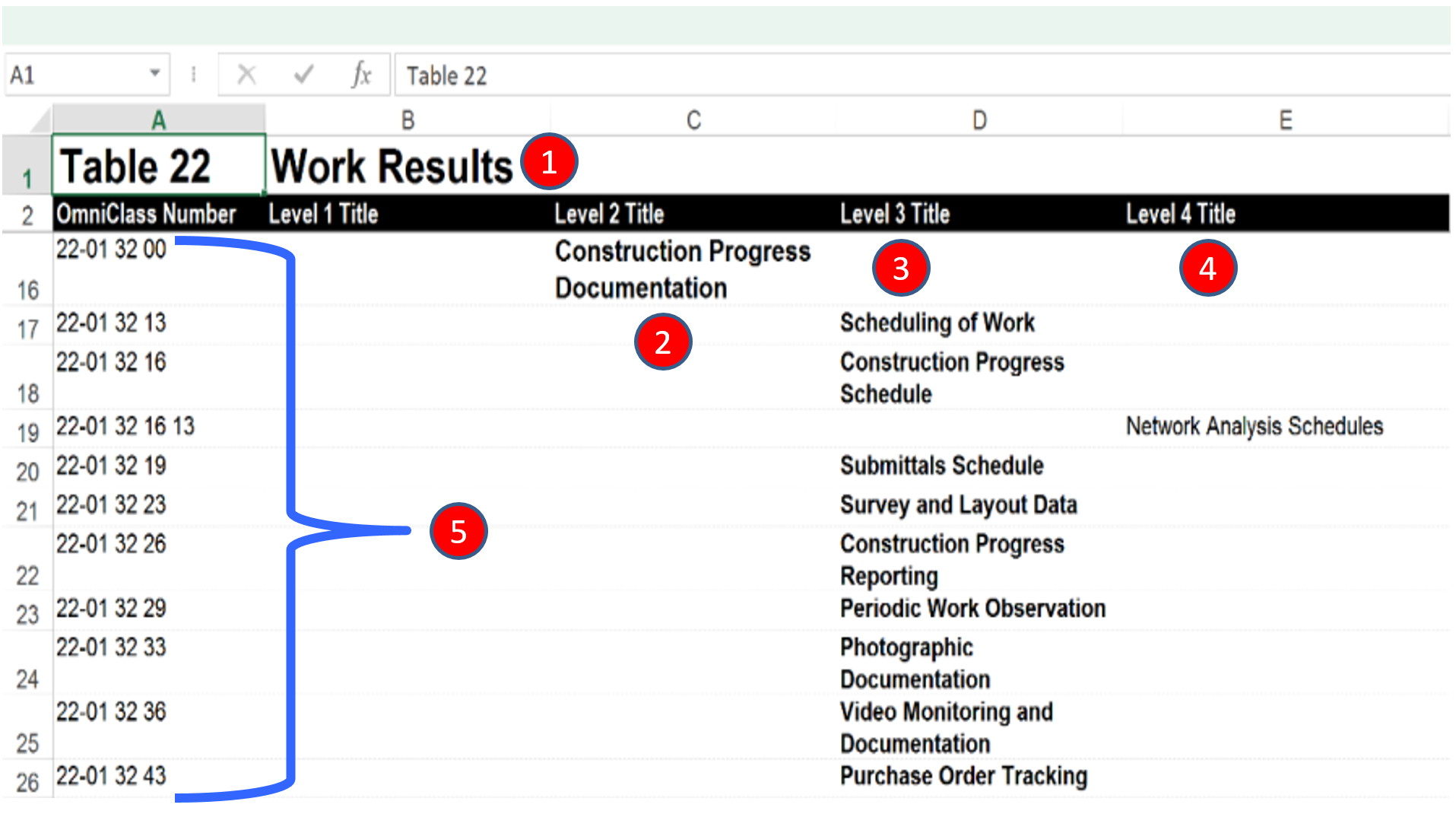
Figure 9 - Screen shot from Omniclass Table 22 showing the WBS coding structure for Project Controls
Source: Omniclass Tables (n.d.)
(1) Omniclass Table 22 “Work Results” which is the most commonly used WBS coding structure both by owners and contractors alike, at least for onshore facility construction.
(2) Level 2 should be identified and defined by the owner’s project control team, working with the project sponsors and project manager as one of the deliverables in the Decision Support Package (DSP) to move from Phase 2 into Phase 3. This level of detail is sufficient for the owner’s consultants and engineers to further define the scope but this is NOT a sufficient level of detail for a contractor to actually bid on the project. Simply too vague, thus subject to just about any interpretation.
(3) This is the MINIMUM level of detail that the owner should provide the contractor, which describes not only what the owner wants but specified in sufficient detail that the contractor does not have to guess at what the owner need or wants. For example, Line Item 22-01 32 16 “Construction Progress Schedule” does not tell the contractor how frequently or what exactly it is the owner needs and wants to see in the periodic progress reports. (For more on what should be included here, refer to Module 9- Managing Progress) This level of scope definition should be included in the Decision Support Package (DSP) to gain approval for the owner’s project control team to move from Phase 3 into Phase 4.
(4) This is the IDEAL level of detail that owners should be providing to the contractor, assuming the owner is serious about trying to avoid claims and disputes. As noted in 3 above it means not only does the owner have to refer to the titles shown in Level 3 but also provide sufficient detail so that the contractor knows and understand what it is the owner is expecting and can both cost and price out the value of each requirement,
(5) These are the KEY FIELDS- those unique identifiers we need to use if we want the CPM Scheduling, Cost Estimating, Finance/Accounting databases to be able to exchange data. For more on database management, see Module 11- Managing Databases
It is important for planners and schedulers in particular to know in the contract documents where the requirements for construction progress documentation should be included (Owner’s project control departments) and where in the contract documents Contractor’s need to look to find out what the owner needs and wants from the contractor’s project control team (Note that AGC/EJDCC, AIA standardized contract documents all use CSI/Omniclass coding structures, FIDIC standardized contract documents may not).
This set of WBS codes project control professionals, in particular, planners and schedulers, need to be aware of. For owners, the project control team should have input into what this is requiring the contractors to do and for contractor project control teams,, you need to review and understand this section as it tells you what you are obligated to provide to the owner’s project team. For owner’s project control teams some of these items should be prerequisites before issuing the Notice To Proceed (NTP) document.
Other important information for planners/schedulers as well as cost estimators which will come from these documents are any interim contractual milestone dates. If we follow the progressive elaboration from the WBS (what the owner wants) to how and when we are going to produce it (See Module 3.3 Creating the Work Breakdown Structure) we can also use the WBS Level 3 or preferably Level 4 to create our WORK PACKAGES.
For the cost estimators, each time you see the phrase “contractor shall…….” It means two things: There needs to be a line item cost to ensure that the item has a cost budget and resources assigned to do it There needs to be a RISK CONTINGENCY to cover the probability that the value you allocated is not sufficient.
And lastly, for forensic claims consultants, you need to know how to use these documents first to learn what documentation process needs to be followed in the event of a change order or claim and secondly, you will need to know how to read and interpret these documents to assist in establishing the validity of a claim for your client or for defending your client against a claim or counterclaim which has been filed against them. While this is primarily the responsibility of the lawyers, being able to relate what actually happened on a project to the contract documents is or should be the role of the project control professional.
Priority of Documents
Another important concept that both owner and contractor project control professionals need to be aware of is the fact that not all documents have equal weight. In Pages 61 & 62 of the FIDIC Contracts Guide, it is stated that “The priority of the documents listed below the Conditions of Contract is based on the principle that the Employer's documents should have priority over the Contractor's documents...By giving priority to the Employer's documents; Sub-Clause 1.5 puts tenderers on notice that Employer's requirements are obligations, except to the extent that a non-compliance is mentioned in the Letter of Tender and thus brought to the Employer's attention.” Under Sub-Clause 1.5 of FIDIC 99, the priority of documents is set as follows:
- 1st the Contract Agreement (if any).
- 2nd the Letter of Acceptance.
- 3rd the Letter of Tender [emphasis added].
- 4th the Particular Conditions.
- 5th these General Conditions.
- 6th the Specification.
- 7th the Drawings. And lastly;
- 8th the Schedules and any other documents forming part of the Contract.
The American Institute of Architects (AIA) in their Guide for Supplementary Conditions, AIA Document A511, Fourth Edition, 1987, explains where an order of precedence is required, suggests the following: “In the event of conflicts or discrepancies among the Contract Documents, interpretations will be based on the following priorities:
- The Agreement,
- Addenda, with those of later date having preference over those of earlier date,
- Supplementary Conditions,
- The General Conditions of the Contract for Construction,
- Drawings and Specifications.
In the case of an inconsistency between Drawings and Specifications or within either Document not clarified by addendum, the better quality or greater quantity of Work shall be provided in accordance with the Architect’s interpretation.”
The project controller needs to know that not all documents have equal standing and if and when a discrepancy is discovered, either by the owner’s project control team or the contractors, that the discrepancy be raised and resolved before work starts on that activity.
For the purposes of the GPC exams, the Guild of Project Controls has adopted the FIDIC order of priority with the understanding that in the country you are working in this order may change depending on the contract type and the laws of that particular country.
Bonds, Bonding, Warranties and Guarantees
Bonds can be understood as a three-party liability agreement under which a third-party (the guarantor) agrees to be responsible for the obligation (contract fulfilment, loan) of a first-party (the principal) to a second-party (bank, client) in case the first-party fails to fulfill its part of a deal.
There are three types of bonds commonly required in construction projects but are increasingly being required in projects of all types. These are important not so much for planners and schedulers but cost estimators and forensic analysts need to know and understand what each type is, who pays for them and what purpose they serve.
Those three types are:
(1) Bid Bonds
Bid bond is a written guaranty from a third party guarantor (usually a bank or an insurance company) submitted to a principal (client or customer) by a contractor (bidder) with a bid. A bid bond ensures that on acceptance of a bid by the customer the contractor will proceed with the contract and will replace the bid bond with a performance bond. Otherwise, the guarantor will pay the customer the difference between the contractor's bid and the next highest bidder. This difference is called liquidated damages, which cannot exceed the amount of the bid bond. Unlike a fidelity bond, a bid bond is not an insurance policy, and (if cashed by the principal) the payment amount is recovered by the guarantor from the contractor. Also called bid guaranty or bid surety.
(2) Performance Bonds
A written guaranty from a third party guarantor (usually a bank or an insurance company) submitted to a principal (client or customer) by a contractor on winning the bid. A performance bond ensures payment of a sum (not exceeding a stated maximum) of money in case the contractor fails in the full performance of the contract. Performance bonds usually cover 100 percent of the contract price and replace the bid bonds on award of the contract. Unlike a fidelity bond, a performance bond is not an insurance policy and (if cashed by the principal) the payment amount is recovered by the guarantor from the contractor. Also called standby letter of credit, contract performance bond. Note that in most instances a performance bond is for 100% of the contract value. This is often NOT the case in the Middle East or Asia.
(3) Payment Bonds
Deposit or guaranty (usually 20 percent of the bid amount) submitted by a successful bidder as a surety that (upon contract completion) all sums owed by it to its employees, suppliers, subcontractors, and others creditors, will be paid on time and in full. Also called contract payment bond.
Warranties and Guaranties
Warranties can be understood as legally binding assurance that a good or service is, among other things: (1) fit for use as represented, (2) free from defective material and workmanship, (3) meets statutory and/or other specifications.
- A warranty describes the conditions under, and period during, which the vendor will repair, replace, or other compensate for, the defective item without cost to the buyer or user.
- Guarantees can be understood as a written undertaking that something is of a specified benefit, content, or quality, or that it will provide satisfaction or will perform a duty or obligation in a specified manner. Unlike a warranty, a guaranty may refer to things as well as persons and, to be legally enforceable, must be in writing.”
To summarize the differences between warranty and guarantee :
- Guarantee - A guarantee is usually free and is a promise about an item by the manufacturer or company. It's a promise to sort out any problems with a product or service within a specific, fixed period of time. Whether you paid for a guarantee or not, it is legally binding. The guarantee must explain how you would make a claim in a way that is easy to understand. It adds to your rights under consumer law. It will take effect whether or not you have a warranty
- Warranty - A warranty acts like an insurance policy for which you must pay a premium - Sometimes a warranty is called an 'extended guarantee'. May last longer than a guarantee and cover a wider range of problems. A warranty is a legal contract.
While both warranties and guarantees are required by owners the work they have done, there is a specific set of warranties/guarantees which can be a problem for contractors. These are known as “Pass through” warranties, guarantees and in some cases (software especially) licenses.
To Summarize:
A contract is a mutually binding (reciprocal) agreement that addresses or should address the following key elements of the work from the owner to the contractor, which ideally should “flow down” to the subcontractors and vendors. Each contract will specify the rules, expectations and obligations in regard to a set of criteria and the project control practitioner should ensure he / she has identified and understood the obligations and any time-related constraints etc:
- SCOPE - conditions of the contract, specification, drawings & documents
- COST - bill of quantities / materials, contract sum analysis
- TIMELINE - obligations to deliver – start date, end date, key dates, deliverable dates, milestones
- RECIPROCAL OBLIGATIONS - land / site access, payment information & approvals
- ADMINISTRATION - deliverables – cost, time, reporting etc, tracking, monitoring and Roles – employers representative, contractors delegation, key personel, instructions & inspections
- CHANGE - sope / entitlements, valuation, payment (variations), certifications, notifications, recommendations, damages & termination
- DISPUTES - condition precedent mechanisms – statutory / contractual
- INDEMNITY - self borne insurances (risk etc)
- GUARANTEES - parent company guarentee & performance bonds
- RISK CLAUSES - determines the administration of the contract
05.2 - Module 05-2 - Develop The Managing Contracts Policies & Procedures Manual
05.3 - Module 05-3 - Select Project Delivery Method / Contract Type
05.4 - Module 05-4 - Tendering & Bidding The Project
05.5 - Module 05-5 - Managing the Contract (Owner & Contractor)
05.6 - Module 05-6 - Closing the Contract (Owner & Contractor)
GPCCAR M05-1 Revision 1.02