05.0 - MANAGING CONTRACTS
05.1 - Module 05-1 - Introduction to Managing Contracts
05.2 - Module 05-2 - Develop The Managing Contracts Policies & Procedures Manual
05.3 - Module 05-3 - Select Project Delivery Method / Contract Type
05.4 - MODULE 05-4 - TENDERING & BIDDING THE PROJECT
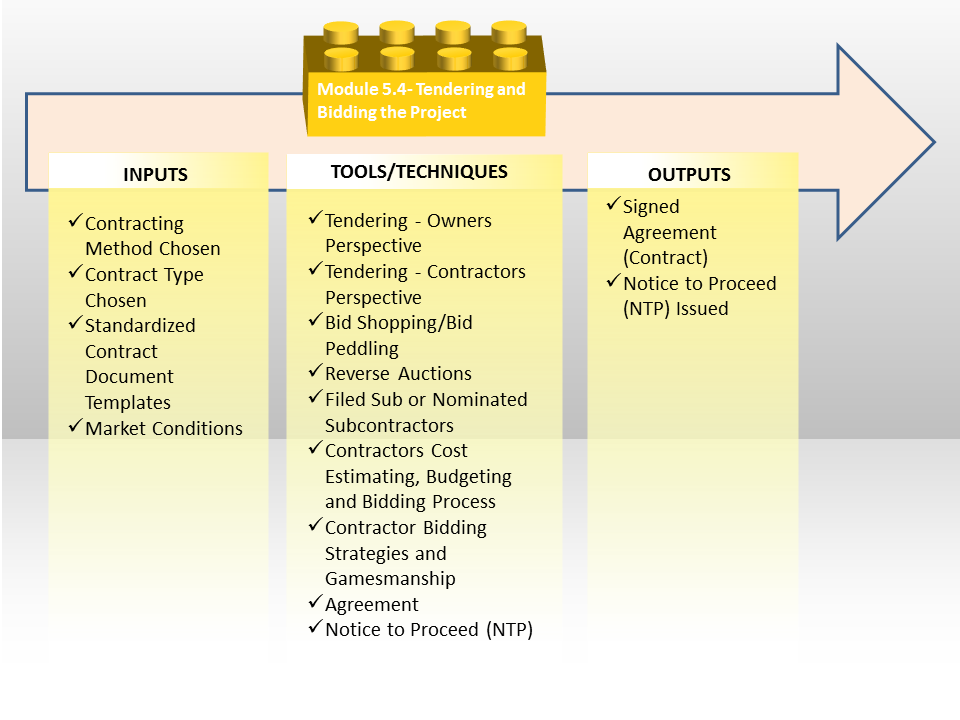
Figure 1 - Tendering & Bidding The Project Process Map
Source: Guild of Project Controls
05.4.1 INTRODUCTION
In this module we will look at tendering from two perspectives- that of the OWNER as well as that of the CONTRACTOR and bidding from the contractor’s perspective. This is always an interesting exercise for project control practitioner to experience especially if you get the chance to work for both owners and contractors at some point in your career. You will find the differences in perspective to be both enlightening and on occasion, disturbing in terms of the misconceptions which exist.
How Contractors Perceive and Manage Contracting Risk
Contracting is a risky business with small profit margins often being the norm. Because contractors work on such slim margins, risk identification, quantification and response strategies and tactics are paramount if the contractor wants to win work yet still be able to stay in business.
The fundamental concept is deceptively simple. For every risk that the owner, via the contract documents, places on the back of the contractor, the contractor has no choice but to MONETIZE that risk and pass it back to the owner in the form of higher prices.
However, in order to win work and still stay in business the contractor has four choices:
- Accept that the risk will not happen and bid the project ignoring or accepting the risk. Unfortunately, this is a far too common strategy and for contractors who adopt this philosophy, it is only a matter of time before they go bankrupt. And given the high failure rate of contractor’s stands as evidence this is the norm.
- The other extreme is to try to anticipate any and all risks and monetize those. However in doing so, this contractor will likely remain profitable, but is unlikely to win any bids. These contractors tend to see out cost reimbursable contracts and avoid firm fixed price contracting.
- The prudent contractor recognizing that not all activities are equally risky, looks at risks on an activity by activity basis and prices them accordingly. High risk activities he/she may bid at P75 while low risk activities she may bid at P50 or P55. Depending on market conditions, this contractor will probably win about 20%-25% of the work they bid, or explained another way, will win about 1 in 4 or 5 bids they submit.
- There is a 4th risk strategy which is also unfortunately common and that is what is known as “buying” a job. In this strategy, the contractor spends considerable amount of time and effort looking for errors, omissions, ambiguity or conflicts in the bid documents and if he/she finds a significant number, will bid the job at or even below cost, thus insuring a winning bid, and then make money on the change orders.
Assuming that the “ethical” and “competent” contractors prefer option 3, here is an example which indicates how contractors set up and compare risk vs opportunity as part of the bidding process. Note that while some contractors do this formally using risk analysis software, (i.e. Palisade Software “Precision Tree” module) many do it based on nothing more than experience and gut instinct.
Penalty Clauses or Late Delivery Penalties
Below is an actual example taken from Module 4- Managing Project Risk showing how contractors use Decision Trees combined with Expected Monetary Value (EVM) to analyse and mitigate Risk and enhance Opportunity.
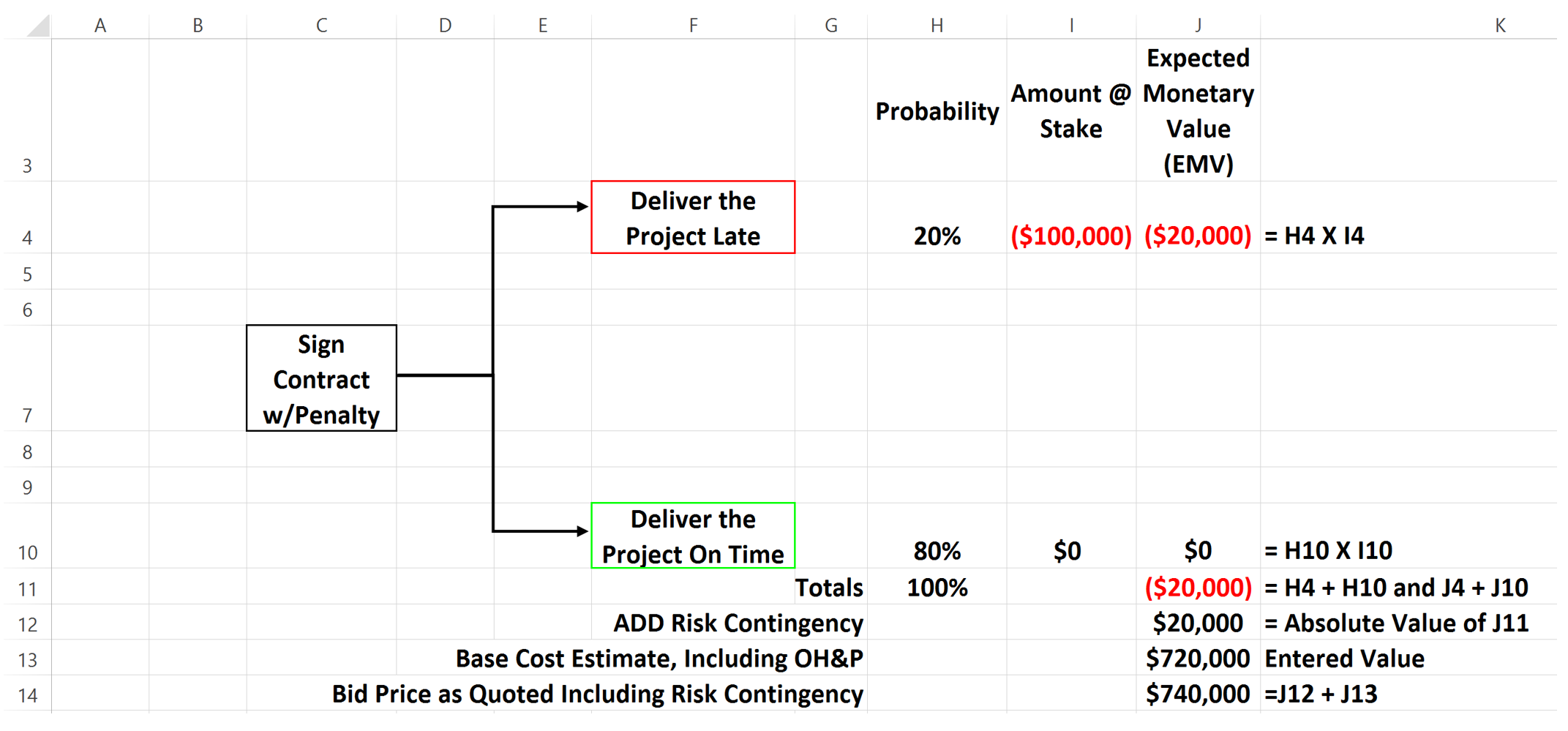
Figure 2 - Scenario One- Penalty Clause Contract Only
Source: Giammalvo, Paul D (2015) Course Materials. Contributed Under Creative Commons License BY v 4.0
In the scenario above, the owner has issued a contract which has a $100,000 late delivery penalty clause. (For simplification it is only a flat penalty, not per day) The contractor (using past history combined with expert opinion) determines that he has a 20% of finishing later than the contractual date and an 80% probability of finishing on/before the contract mandated completion date.
To calculate his Expected Monetary Value (EMV), the contractor multiplies 20% probability of finishing late X $100,000 late delivery penalty which yields an EXPECTED MONETARY VALUE of ($20,000)
He also multiplies the 80% probability of finishing on time X the BONUS which in this scenario, is $0.00 which of course, yields an EMV of $0.00.
Then when he adds up the EMV of both potential options he ends up with a NEGATIVE EMV of ($20,000)
Because no contractor who wants to stay in business is willing to accept a negative EMV, he has no choice but to add a RISK CONTINGENCY of $20,000 to offset the negative EMV potential of incurring a late delivery penalty. The contractor then calculates his bid price of $720,000, add to it the risk contingency of $20,000 and his RISK ADJUSTED BID now becomes $720,000 + $20,000 = $740,000.
What owners need to understand is that every RISK they put on the back of the contractors, the contractor MONETIZES that risk and passes it back in the form of HIGHER PRICES. So in this case, congratulations Mr. Owner, you have not penalized the contractor at all. All you have done is raised the cost of your project as the contractor monetized the risk of your late delivery penalty and passed it back to you in the form of higher prices…
In our next scenario we see that a more enlightened owner has added a BONUS option along with the PENALTY. (Offering both a carrot and a stick)
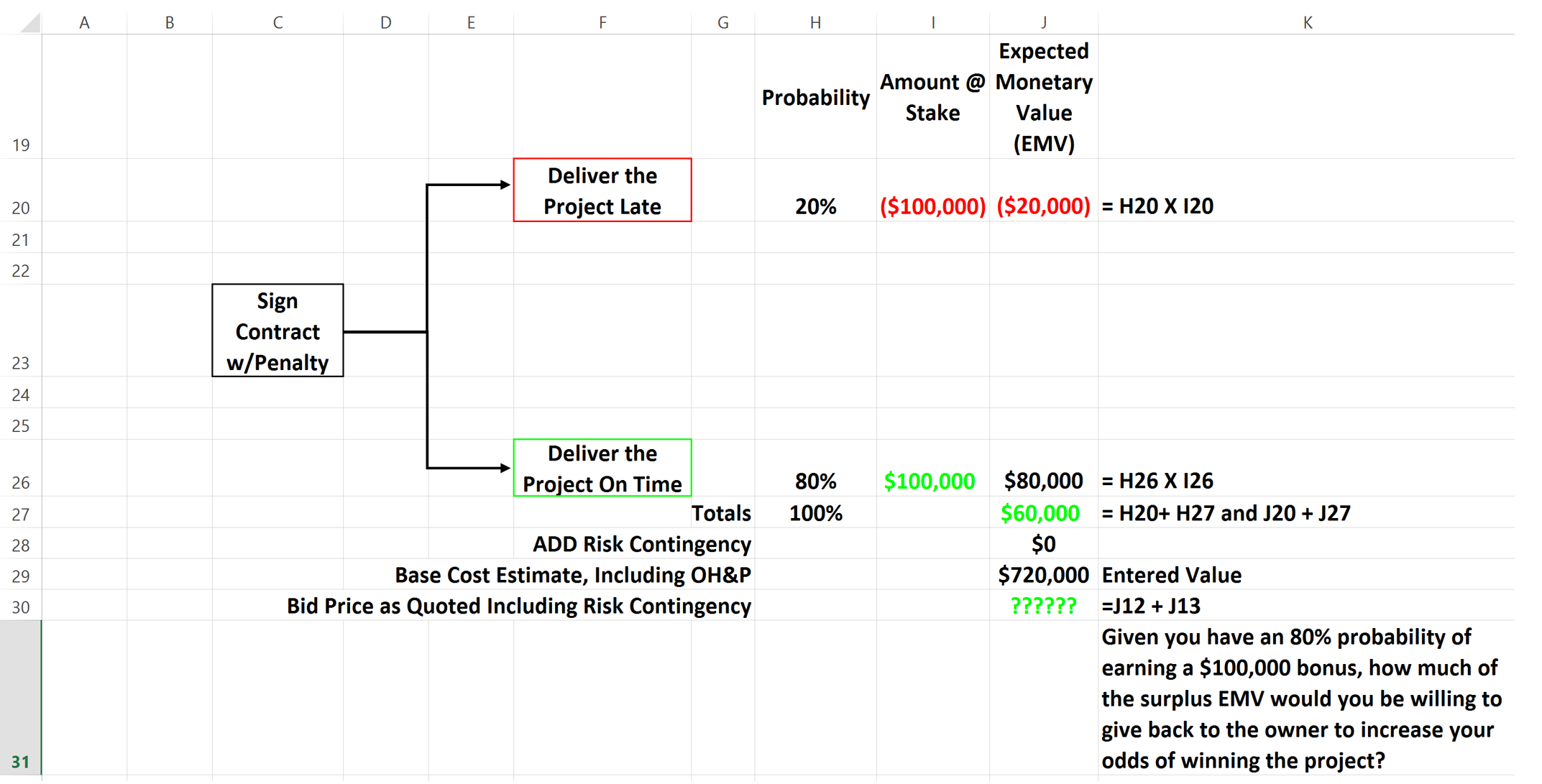
Figure 3 - Scenario Two- Penalty and Bonus Clause Contract
Source: Giammalvo, Paul D (2015) Course Materials. Contributed Under Creative Commons License BY v 4.0
In the second scenario, we can see that by adding the opportunity to earn a BONUS of $100,000, 80% X $100,000 = +80,000 EMV and adding the ($20,000) EMV = +$60,000 POSITIVE EMV.
Now, given the contractor has negated his risk and still has a $60,000 surplus EMV, and knowing that he has an 80% probability of earning a $100,000 bonus, and that for each dollar he lowers his price INCREASES his odds of winning the bid, the question is how much of that $60,000 would he be willing to LOWER HIS BID (effectively giving back some of the bonus money to the owner) in order to increase his odds of winning the bid?
This is a perfect example of how Decision Trees and EMV are used as a tool & technique to quantify, analyse both risk and opportunity in order to develop viable risk and opportunity strategies.
Indemnification and “Hold Harmless” Clauses
Another potentially huge risk that contractors in particular are unaware of or tend to ignore are the “Indemnification” or “Hold Harmless” clauses found in many standard contracts.
Of all the clauses typically contained in a construction contract, the indemnification clause arguably has the most potential to impose drastic consequences upon the unwary contractor or subcontractor.
- Indemnity Clauses can be described as a provision in a contract under which a party (or both parties) commit to compensate the other for any harm, liability, or loss.
The formula to compute the amount of compensation is usually included in the contract. See also exclusion clause, exculpatory clause, exemption clause, and hold harmless clause.
Explained more simply, indemnification is the assumption of responsibility and liability that would otherwise belong to someone else. Insurance is a prototypical example of indemnification. In exchange for the payment of a premium, your insurance company agrees to “stand in your shoes” in the event of a covered loss by paying for the damage. The vast majority, it not all, of the contracts you will be asked to sign will contain indemnification provisions. When you as a general contractor, agree to indemnify an owner, or if you are a subcontractor agreeing to indemnify a general or prime contractor, you become an insurer of his/her losses. Thus, it is crucial you are fully aware of what losses you are being asked to insure against.
While this is not intended to be a detailed coverage of contract law, because of the potential liability indemnification clauses are worth identifying under the category of contractual risks that contractors, regardless of which tier you are at, (prime, sub or sub to the sub) need to be aware of and factor into your cost and pricing structure.
05.4.2 INPUTS
- Contracting Method Chosen
- Contract Type Chosen
- Standardized Contract Document Templates (Which, According To Best Tested And Proven Practices, Should Include A WBS Down To Minimum Level 3 or Preferably Level 4)
- Market Conditions
05.4.3 TOOLS & TECHNIQUES
05.4.3.1 Tendering - Owners Perspective
Generally speaking, there are 4 types of tendering which owners (buyers) can choose from:
(1) Open Tender procedure or Request for Quotes (RFQ)
Bid Documents are offered publicly and bidders are required to return a tender by a set date. All tenders will be evaluated before the contract is awarded. This procedure is often used by government agencies. This process is purely price driven, with the lowest responsive (qualified) bidder winning the tender.
(2) Restricted Tender Procedure
This is a 2-stage process. In the first stage, interested suppliers are asked to fill out a questionnaire and a short-list is drawn up. In the second stage, the shortlisted suppliers are invited to respond to an invitation to tender (ITT), Request for Quote (RFQ) or Request for Proposal (RFP). The tenders are then evaluated and the contract awarded to the lowest qualified (responsive) bidder.
(3) Competitive Dialogue Procedure or Request for Proposal (RFP)
This procedure is used for more complex procurements. After a selection process, the buyer then negotiates with suppliers and invites chosen companies to put in a bid. Suppliers put in their tenders and the contract is awarded. This is also called the “two envelope” system where there are two envelopes, one containing the technical proposal and the second containing the pricing. During the tender evaluation, the technical proposal would be opened and evaluated first followed by the financing proposal. The objective of this system is to ensure a fair evaluation of the proposal.
(4) Direct Negotiations Procedure
In this procedure, the buyer enters into contract negotiations with one or more contractors and/or suppliers. There are three direct negotiation tactics which can be employed by owners. Two of them, Bid Shopping/Bid Peddling and Reverse Auctions are not considered to be “best or recommended practice” by the Guild of Project Controls, even though both are common throughout the world, to the point where some countries have made either or both of them a crime.
The other is a “best recommended practice” and that is the use of “Filed Sub Bids” which is also known as “Nominated Subcontractors”.
05.4.3.2 Bid Shopping/Bid Peddling
Bid Shopping/Bid Peddling is a nefarious practice used by both owners in negotiating with their prime contractors and by prime contractors when negotiating with their subcontractors. In construction law, bid shopping is the practice of divulging a contractor’s or subcontractor’s bid to other prospective contractor(s) or subcontractor(s) before the award of a contract in order to secure a lower bid. Lowered bids may lead to cost cutting in the construction process, primarily in materials and labor, which may lower the quality of the work performed. At least seven US and Australian states have adopted some type of anti-bid shopping legislation. These states recognize that bid shopping can result in poor quality, unfair competition and insolvencies. These statues require general contractors to list the subcontractors that they will use in their bids to owners. The general contractor cannot change subcontractors if its bid is accepted. Bid peddling is bid shopping in reverse. Bid peddling occurs when a subcontractor who is not selected for a construction project seeks to induce the owner or prime contractor to substitute his or her company for a subcontractor on the original bid by offering to reduce its price.
05.4.3.3 Reverse Auctions
Another form of bid shopping is a practice known as a “reverse auction”. In this situation, the bids are posted on the internet and each subsequent bid must be lower than the previous bid. Legislation prohibiting bid shopping may be applicable based on the dollar amount of the contract, and may require cancellation of the contract and/or penalties for violations. Local laws should be consulted for specific requirements in your area.
One of the reasons for owners requiring unit prices and / or cost and resource loaded schedules as a prerequisite to issuing the notice to proceed is to enable their project control departments to conduct a “due diligence” assessment, analyzing the unit costs and activity costs to ensure that the contractor has not unbalanced the bidding.
Unfortunately, bid shopping and reverse auctions are routinely encouraged by owners, to the point where in some countries, laws have been passed prohibiting both. However, especially in the Middle East and Asia, this practice is pervasive, and over the long term only hurts owners as it drives the legitimate contractors out of business leaving only the less scrupulous still in business.
05.4.3.4 Filed Sub Bids or Nominated Subcontractors
Filed Sub Bids or Nominated subcontractors provide the most options to the owner and try to reduce costs and bid shopping or bid peddling on the part of contractors in hiring their subcontractors and vendors, many of the more sophisticated owners, especially those who have in-house project control or project management offices (PMO) are selecting or nominating their own subcontractor to provide quotes in advance of the main bid for specialty work packages such as Foundations, HVAC or Interior finishes and providing a list of pre-approved or nominated subcontractors for the prime bidders to select from. As the owner knows in advance how much each work package will cost, and given the prime contractor can select only those sub-contractors who have been pre-approved by the owner, what the prime contractor is bidding on is his/her coordination and support services. (i.e. Division 1 requirements).
05.4.3.5 Tendering - Contractors Perspective
Bidding on projects can be very time consuming and expensive. This means, you need to be very selective in determining which projects to bid before you even start to develop cost estimates. Be patient and wait for the tender opportunity that is right for your business – it is a waste of time tendering for contracts that you are not going to win. The most common reason for lack of success is poor choice of tender opportunity.
When you receive notification of a tender which is of interest:
- Download all documentation and store it in a separate folder on your computer system. If only a hard copy of the tender document is available make copies and keep the original safe. Do not mark the original in any way as it will be needed for final submission.
- Inform the core bid team and circulate the key documents to them.
- Read the documents thoroughly. Assessing whether a tender is right for your business is not always possible from the short tender notification description or summary, so you may require a detailed look at the tender documents and specifications. In particular read the contract – sometimes there are terms within the contract which companies are not prepared, or unable, to fulfil, for example, areas around intellectual property.
6 Key Questions Contractors should answer BEFORE submitting a Bid
- What are the mandatory requirements (for example financial stability, quality accreditations) and can we meet them?
- Who is the competition?
- Is the contract the right size for my business? Will this clash with any existing or upcoming work?
- What is the profit potential? What impact will there be on the business cashflow?
- Can we show relevant experience? Have we done this type of work before? Do we need to partner?
- Do we have sufficient resource to respond professionally within the deadline?
05.4.3.6 Contractors Cost Estimating, Budgeting and Bidding Process
As we know from Module 8- Managing Cost Estimating and Budgeting, that for Contractors, who we define to be any organization, usually coming from the private sector, for whom projects are PROFIT centers- that is, any organization who derive all or a substantial portion of their annual revenue or other business objectives from planning, executing, controlling and closing projects, the Guild of Project Controls is advocating that they adopt or adapt the ASPE process flow chart as being a “best tested and proven” cost estimating and budgeting process. While we have been focusing on developing a process flow chart for OWNER’s as promised here is a process flow chart for CONTRACTORS as well.
The process flow chart below comes to us compliments of the American Society for Professional Estimators (ASPE) Standard of Practice:
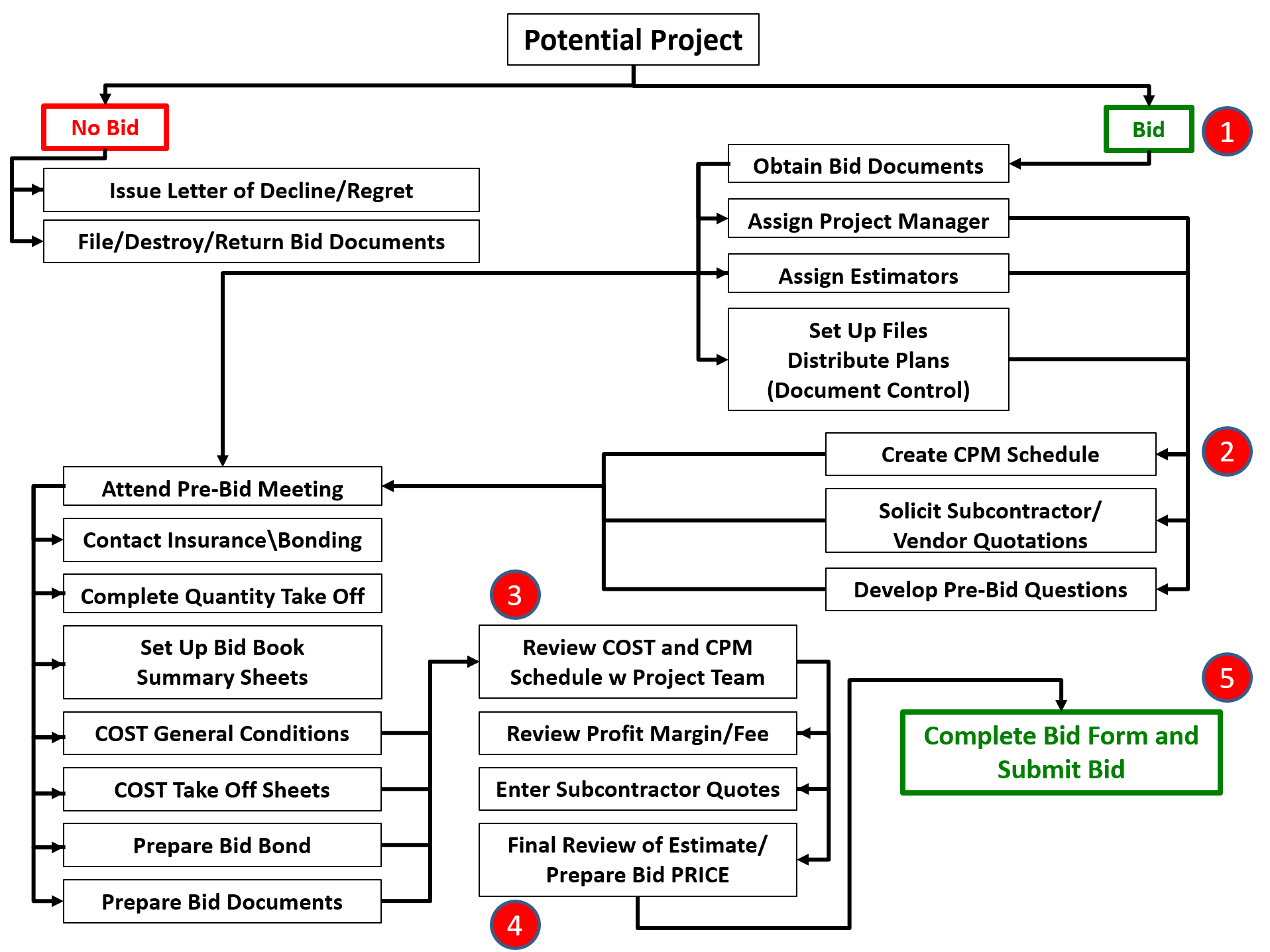
Figure 4 - American Society for Professional Estimators (ASPE) Standard of Practice
Source: Adapted from the American Society for Professional Estimators (ASPE) Standard of Practice
While the model is pretty much self-explanatory, there are several important points worth discussing.
(1) Bid/No Bid decision- Given that contractors by definition are in the contracting business to make money, there has to be a compelling reason why a contractor would choose to NOT to bid on a project. The most common reasons are that:
- The contractor has too much of a backlog of work and not enough staff to handle the potential additional workload. In this circumstance, the contractor can either opt NOT to bid OR bid a very high price, understanding that in the unlikely event they do win the bid the additional margin will cover hiring more support staff and training them.
- The second is if the contractor knows the client is slow in paying their bills or is known to be a difficult client. Contracting is an extremely risky business and with only single digit EBIT margins, contractors who want to stay in business tend to be as risk averse as possible.
(2) Creating a CPM Schedule- In most contractor organizations (at least in North America) both the CPM schedule and the Cost Estimate are done simultaneously, often by the same person or team of people. Why is this? Because there are cost and schedule trade-offs which must be taken into account. The best example is the cost of placing concrete in the winter months can easily be 300% more expensive than placing it in the spring, fall or even summer. Meaning the Scheduler and the Cost Estimator need to be working together find that “optimum” point
(3) Review the COSTING and CPM Schedule- This is the final chance for the Contractors project or construction manager to review the COSTS and the SCHEDULE together to see if he/she is still confident that the project can be done in that time frame for the amount of money allocated. Keep in mind that the project/construction manager is obligated to control that over which he/she has reasonable control over, which is the COST of the project to the Contractor. This includes the Project Direct Costs and Project Indirect Costs or what is generally known as “Above the Line” costs or “Costs of Good Sold”. Other costs such as Home Office Overhead, Finance Costs are not within the control of the contractor’s project manager, therefore, he/she is not held accountable for them.
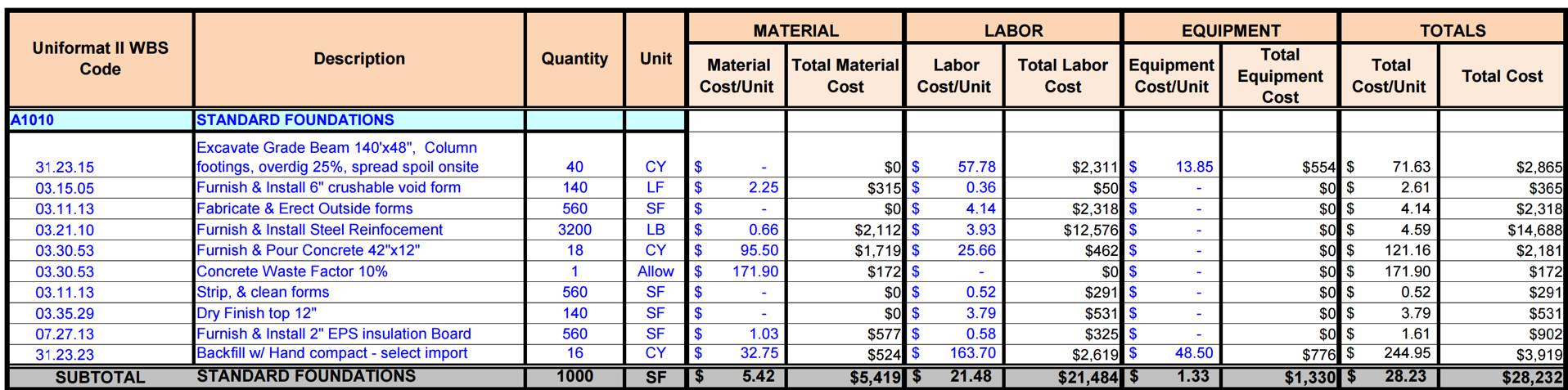
Figure 5 - Example of a COSTING SUMMARY SHEET used by Contractors
Source: US National Park Service Cost Estimating Handbook (2011)
To download the blank Excel template go here and to download the case study this graphic was taken from, go here
(4) Profit Margin and Fees (Bid PRICE)- Because as a Contractor, we are bidding the project not based on our COST but on our SELLING PRICE, and because profit margin is a business decision to be made by the contractors home office management team, this a decision reserved for the contractor’s senior managers to decide, understanding that each dollar they lower the PRICE (Quote) to the owner, the greater their probability of winning the job is.
(5) Submit the Bid- As one of the first checks an owner performs when they receive bids is to see if they are “responsive” or not. That means not only that a bid was submitted but that it was submitted on the correct forms, and included whatever supporting information was required. (i.e. Certificates of Insurance, Bid or Performance Bonds etc)
As we can see from the process flow chart above this is the point where the contractor actually submits his/her bid.
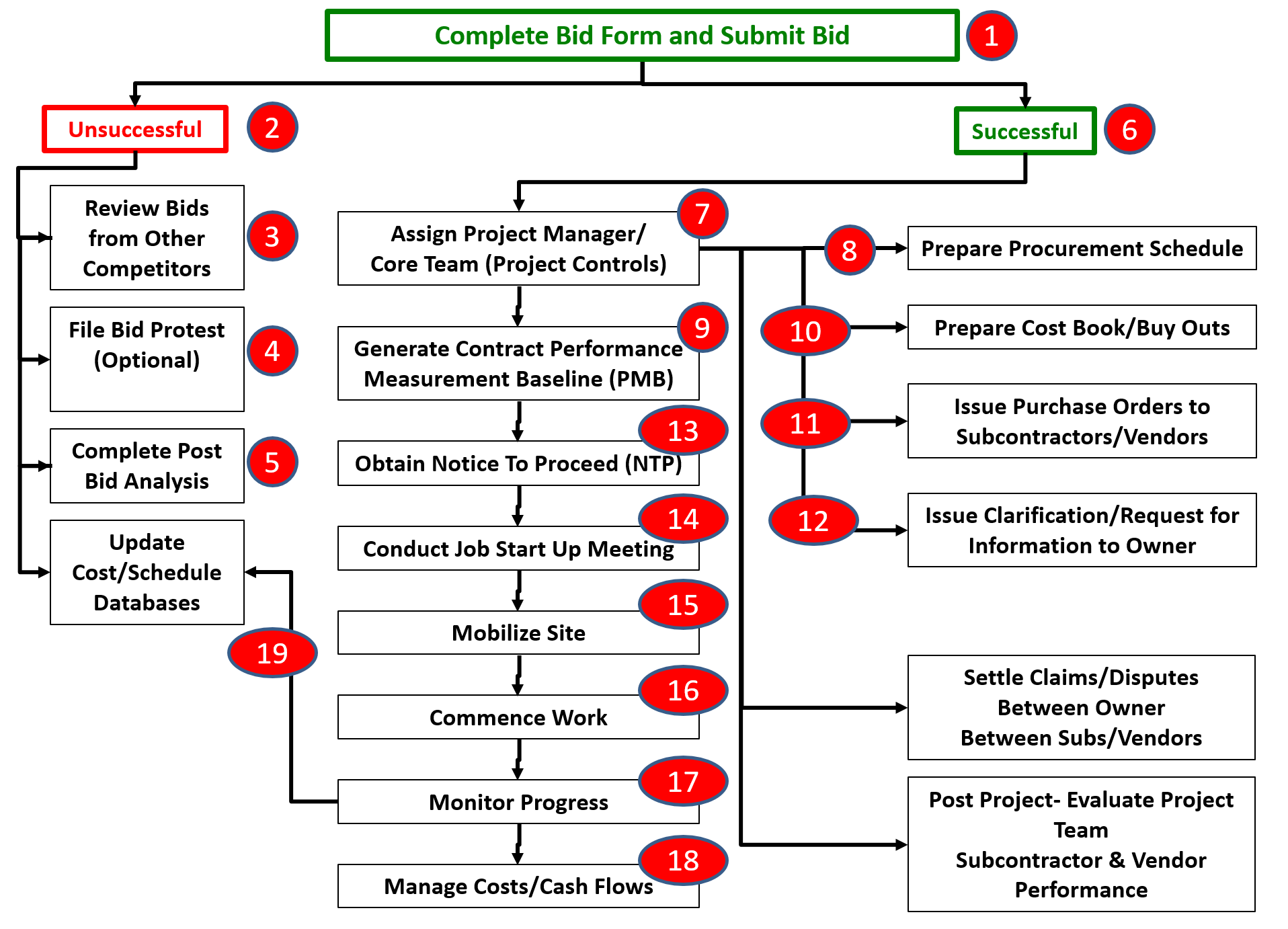
Figure 6 - American Society for Professional Estimators (ASPE) Standard of Practice
Source: Adapted from the American Society for Professional Estimators (ASPE) Standard of Practice
In Figure 6 above we see the CONTINUATION of the Cost Estimating and Budgeting Process to Submitting the Bid onwards.
(1) Assuming this is a public bid, we submit our bid, making certain that all the forms required in the Procurement Requirements have been filled in AND that our bid has been submitted PRIOR to the closing time. At the time specified, the door to the bidding room is closed and no more bids will be accepted after that time. So be sure you are early to the bid opening.
(2) The bids are then opened and the first requirement is they have to be what is known as “RESPONSIVE” which means that every document required in the PROCUREMENT PACKAGE has been submitted. If there is one missing piece of paper, then the bid is rejected as being NON-REPONSIVE. Once the bid submittals have been accepted as being responsive, then those which passed the first test are then rank ordered according to the bid price quoted in the appropriate document. If as a contractor, you are Unsuccessful either because you were NON-RESPONSIVE (didn’t follow instructions in submitting the bid documents) OR if you were not the low bidder, then
(3) You need to capture the numbers quoted by the other contractors, in particular the winning bidder, and knowing that your DIRECT COSTS are for all intents and purposes, identical to the other bidders, you analyse their quote to see whether the winning bidder likely made a mistake in the bid or they intentionally bid low. This is important “commercial intelligence” that all successful contractors take very seriously.
(4) IF you think there was a mistake made by the winning bidder or if there were other anomalies in the bidding or tendering process you can PROTEST THE BID or the AWARD. By law, a protest must be filed by an "interested party," which means an actual or prospective bidder whose direct economic interest would be affected by the award of a contract or by the failure to award a contract. In challenges to the government's evaluation of proposals and the award of contracts, this generally means a bidder that would potentially be in line for award if the protest were sustained. (You were the second lowest bidder) Note that time is of the essence here and normally the time limit is 10 days from the date of the bid opening to file a protest.
Although most protests challenge the acceptance or rejection of a bid or proposal, and the award or proposed award of a contract, defective solicitations or bids may also be the basis for a protest. Such bid defects include allegedly restrictive specifications, omission of a required provision, and ambiguous or indefinite evaluation factors. In addition, the termination of a contract may be protested if the protest alleges that the termination was based on improprieties in the award of the contract.
Therefore, especially when bidding work for governments or quasi-governmental agencies, you have a right to protest a bid or an award both before and after the award of a contract: You can protest the bid, you can protest an award, and you can protest termination of a contract.
(5) Assuming there is no protest, then as the contractors project control and/or bidding team (which in many companies, even some medium to large companies, are often one and the same team of people) then you need to go back and evaluate your bids based on those of the winning bidder and determine whether you are not competitive because of overhead or because you are using outdated or inefficient processes or equipment or what the “root cause” might be.
(6) Assuming you were the successful bidder, the first thing you, as the project control professional needs to do it is look to see how much money you “left on the table”- that is how much lower did you bid than the next lowest bidder. IF the amount is more than 10% there is a good chance that you have made a mistake, in which case you can WITHDRAW your bid on those grounds. You will have to forfeit your BID BOND, which will be used by the owner to rebid the project and more than likely you will not be able to participate in the follow on rebidding, but that is preferable to going bankrupt if an honest mistake was made.
(7) Assuming there was no mistake then the project manager is given the go ahead and starts to build his/her team, usually starting with the project control professionals (planners, schedulers and cost estimators) who bid the project, as there is still a lot of work for them to do.
(8) One of the first assignments is to develop a PROCUREMENT SCHEDULE which tells the procurement department what long lead materials or equipment you need and starts the process of contracting work to suppliers, vendors and subcontractors.
(9) At the same time the procurement schedule is being created, the project controls team also has to focus on getting the performance measurement baseline prepare and submitted for without that document it is unlikely you will get the Notice To Proceed (NTP) which is required before you can legally mobilize the site and start building your site offices.
(10) Simultaneously, the rest of the project team is preparing the “cost book” and seeing if it is better to use our own people (insourcing) or is it better to “outsource” certain work packages. This is where the cost information we calculated in Module 8 - Managing Cost Estimating & Budgeting is so important. IF we can do the work cheaper or faster with our own in house people, then better we use them. HOWEVER if we find that we can subcontract it out and get it done at less cost than we can do it ourselves, then we outsource it. This is known as “buying out” the job and it is an important way to protect our profit margin PROVIDED the subcontractor we outsource to can perform at the same quality level and productivity rate than our own people can.
(11) As we “buy out” the different work packages, we start to issue purchase orders to both vendors and subcontractors. Very important that we make certain the purchase order that we include the start and finish dates as well as the total duration they have to perform their work in accordance with our schedule. This is the reason we need to have our detailed cost and resource loaded schedule prepared so we know what these dates and time frames are.
(12) Another VERY important task that project controls can or should be involved in is sending out Requests for Information (RfI), Requests for Interpretation (RfI) or Clarification Requests (CR). The reason project controls needs to be involved is the owner only has a specific time frame in which to respond, and if the owner fails to respond in that time frame, the contractor is free to make whatever decisions are most advantageous to him/her. So this is an important responsibility whether you are an owner or contractors project controller.
(13) See Modules 7, Managing Planning & Scheduling, Module 8 - Managing Cost Estimating and Budgeting and Module 9 - Managing Progress to see this integrated process in more detail but in most cases, before an owner will issue a Notice to Proceed (NTP) they require that amongst other documents, that a cost and resource loaded schedule be prepared and submitted.
(14) Upon receipt of the Notice to Proceed (which can take many forms and may well be called by other names) the contractors project manager, the owners project manager and the project managers from key subs and vendors normally meet to review the schedule, work out any safety, job site access (i.e. security passes) and other operational issues which need to be understood before work can commence. During this time frame, building permits, environmental permits and other administrative activities whether the owners or contractors responsibility, need to be included in the performance measurement baseline and tracked just like any other task.
(15) As soon as the contractor has the Notice to Proceed and all the necessary paperwork is done to enable the contractors personnel to access the site (i.e. security clearances, safety training etc) the contractor can mobilize the site, building or erecting the site offices, installing fencing/hoarding and complying with the environmental, safety and health requirements found in Division 1- General Conditions.
(16) Mobilization marks the start of physical work being completed which means we can now turn to Module 9- Managing Progress, to understand how we track and report progress against the Cost and Resource Loaded Plan (Performance Measurement Baseline) we created in Modules 7 - Managing Planning and Scheduling and Module 8 - Managing Cost Estimating and Budgeting.
05.4.3.7 Contractor Bidding Strategies and Gamesmanship
Contracting is an extremely tough and unforgiving business, with contractors historically earning single digit margins. Research has shown that in the USA, in any given year, an average of 14% of all contractors fail. And the five year survival rate for USA construction companies is less than 37%. It is highly doubtful that given a fair and robust legal system which does offer some protection to contractors, that the comparable figures outside of the USA are any better and probably a whole lot worse.
From a purely business perspective, single digit margins do not warrant the risk many owners expect contractors to assume, and to compensate, contractors have resorted to less than desirable practices to maximize their probability of winning a contract and once winning it, making it profitable.
(1) Unbalanced Bidding- includes a number of schemes in which bidders manipulate line item bid unit prices in order to gain an advantage in the bidding process. The schemes include:
- “Front loading:” deliberately submitting artificially high item bids for the early stages of a construction project, offset by artificially low line item bids for later stages of the project, in order to improve the contractor’s cash flow;
- Quoting high prices on line items that the contractor knows or anticipates will be the subject of change orders that increase the quantity of goods or works required. For example, in a road project a bidder might quote a very high price for each cubic meter of earthworks to be moved, knowing that the number of cubic meters that need to be moved will be drastically increased later, after the contract award. The bidder might reduce the price of other line items in order to offset the price increase for the selected line item. The bidder might be informed of the proposed change as the result of a corrupt relationship with project officials;
- Quoting dramatically lower prices on line items that the bidder knows – perhaps by being tipped off as the result of bribes to project officials – will not be called for after contract award. This information allows the favoured bidder to drastically lower its price on the unneeded items to defeat its uninformed competitors. Project officials can facilitate the scheme by drafting vague or incomplete specifications to further disadvantage competitors. In a variation of the above, project officials can allow certain line items to remain in recurring contracts that have never been called for in the past, and which will not be called for in the future, to allow the current, informed contractors to lower their prices and defeat uninformed newcomers.
- Unbalanced bidding is one of the more effective bid rigging schemes because the manipulation is not as obvious as other bid rigging methods, such as rigged specifications or unjustified sole source awards.
(2) “Buying the Job” is a variation on item 1 above. In the case where the contractor has found discrepancies in either the quantities or in the design documents or has discovered a piece of equipment or other scope of work that the owner missed but the contractor knows is going to be needed, the contractor will intentionally bid below fair market value but higher than his/her direct costs with the expectations that by bidding low, he/she can increase the probability of winning the contract with the expectation that he/she can make windfall profits on the work which was missed. Unfortunately, there are some percentage of contractors who specialize in seeking out these kinds of contracts. As part of their due diligence, owners should check with past customers to see if the contractor(s) they are considering are known for this legal but ethically questionable business practice.
(3) Bid Shopping/Bid Peddling is another nefarious practice often times encouraged if not aided and abetted by owners. In construction law, bid shopping is the practice of divulging a contractor’s or subcontractor’s bid to other prospective contractor(s) or subcontractor(s) before the award of a contract in order to secure a lower bid. Lowered bids may lead to cost cutting in the construction process, primarily in materials and labor, which may lower the quality of the work performed. At least seven states have adopted some type of anti-bid shopping legislation. These states recognize that bid shopping can result in poor quality, unfair competition and insolvencies. These statues require general contractors to list the subcontractors that they will use in their bids to owners. The general contractor cannot change subcontractors if its bid is accepted. Bid peddling is bid shopping in reverse. Bid peddling occurs when a subcontractor who is not selected for a construction project seeks to induce the prime contractor to substitute his or her company for a subcontractor on the original bid by offering to reduce its price.
(4) “Pay when Paid”, “Pay IF Paid” or “Back to Back” Contract clauses is another nasty clause prime or general contractors put in their contracts with their subs and vendors. Basically this says until or unless the OWNER pays the CONTRACTOR for the activities done by a subcontractor or vendor that the prime or general contractor does not have to pay the subcontractor or vendor for the work they have done. While this is most likely appropriate if the work done by the subcontractor or vendor is in some faulty, the problem arises if the owner is having financial problems or has withheld payment to the prime or general for some cause not directly related to the work of the subcontractor or vendor, it is the subcontractor or vendor who is being unfairly punished. What this means is subcontractors and vendors need to read the contract carefully and if there is a “pay when paid” or “back to back” clause in the contract, either have it removed or build in some risk contingency in your quote.
05.4.3.8 Agreement
The Construction Specifications Institute (CSI) has published an excellent graphic from their Manual of Practice which explains to both owners and contractors what should be included in an agreement.
The reason this is important to the project control professional is if you are an OWNER’s project control professional and your agreement doesn’t contain all these elements you are setting your organization up for higher pricing (the more ambiguous the contract documents the more likely you are to get large spreads between the high and low bidders) and the more likely you are to get hit with change orders. There are many contractors out there who specialize in finding discrepancies in the contract documents then “buy” the project by bidding low, then hoping to make money on change orders. As a project controller you are well positioned as a subject matter expert to guide your project team and management into putting together complete and well written contracts.
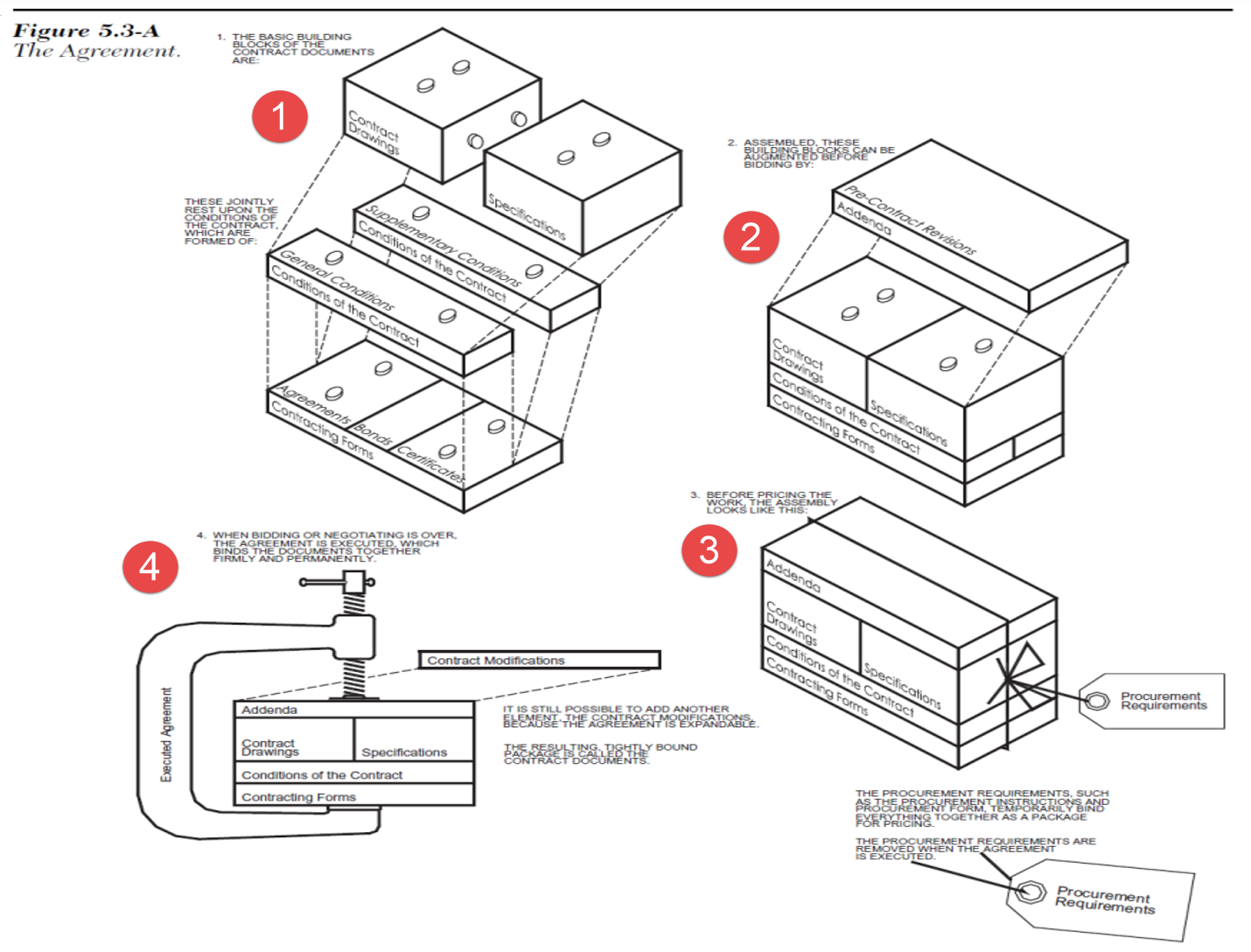
Figure 7 - CSI’s Manual of Practice, 5th Edition
Source: Construction Specifications Institute’s Manual Of Practice 5th Edition

(1) The Basic Building Blocks of a Contract are the (Figure 8 - Basic Building Blocks) Source: Construction Specifications Institute’s Manual Of Practice 5th Edition:
1. Contract Drawings
2. Technical Specifications, which sit or rest on a FOUNDATION of the
3. General Conditions and the
4. Supplemental or Special Conditions and the CONTRACTING FORMS which include:
5. Agreements (the actual contract document between owner and contractor)
6. Bonds (e.g. Performance, Bid, Payment etc) and the
7. Certificates (e.g. insurance, business and technical licenses etc)
(2) PRIOR to BIDDING any or all of the 7 sets of documents above can be MODIFIED by the Architect/Engineer by the issuance of one or more.
8. ADDENDA/ ADDENDUMS

(3) And TAKEN TOGETHER, the CONTRACTING DRAWINGS (1), TECHNICAL SPECIFICATIONS (2) GENERAL (3) and SUPPLEMENTAL (4) Conditions of the Contract PLUS the CONTRACTING FORMS (5, 6 and 7) as MODIFIED by any ADDENDA (8) forms or creates what is known as the BIDDING PACKAGE (9) (refer Figure 9 - Bidding Package Source: Construction Specifications Institute’s Manual Of Practice 5th Edition)
(4) Upon AWARDING of the contract either to the lowest responsive bidder or after negotiations between the owner and contractor, the AGREEMENT
(5) is EXECUTED (signed and dated by the appropriately authorized owner and contractor personnel). Upon having an EXECUTED CONTRACT (10) the Notice to Proceed (NTP) is issued and work officially commences under the contract.
However, as we know that change will happen and having built into the contract the procedures to manage change (see Module 10 - Managing Change), we have a process built into the contract under the heading of CONTRACT MODIFICATIONS (11) (refer Figure 10 - Contract Modifications Source: Construction Specifications Institute’s Manual Of Practice 5th Edition) which defines the change process as well as the roles and responsibilities of that change process, including but not limited to the forms which need to be filled in, who is responsible to sign or authorize them and what if any time limits are imposed.

For Contractors, this is probably good as well. A clear, well written contract protects you as well as it protects the owners.
By selecting standardized contract documents such as those written by FIDIC, AIA, EJCDC or now ConsensusDocs, and familiarizing yourself with what they require you can create “frag net” elements of schedules based on the various contractual requirements, cost and resource load them which will make bidding projects from other owners using these same documents to be much easier and faster.
05.4.3.9 Notice to Proceed (NTP)
The Notice To Proceed (NTP) document. This document has important ramifications for the project control practitioner. First, the NTP is an important contractual milestone as it is often not the signing of the contract which starts the clock running on any penalties or bonuses, but the NTP. Secondly, before this document can be issued, the planner/scheduler, working closely with the cost estimator, must create a fully cost and resource loaded BASELINE SCHEDULE.
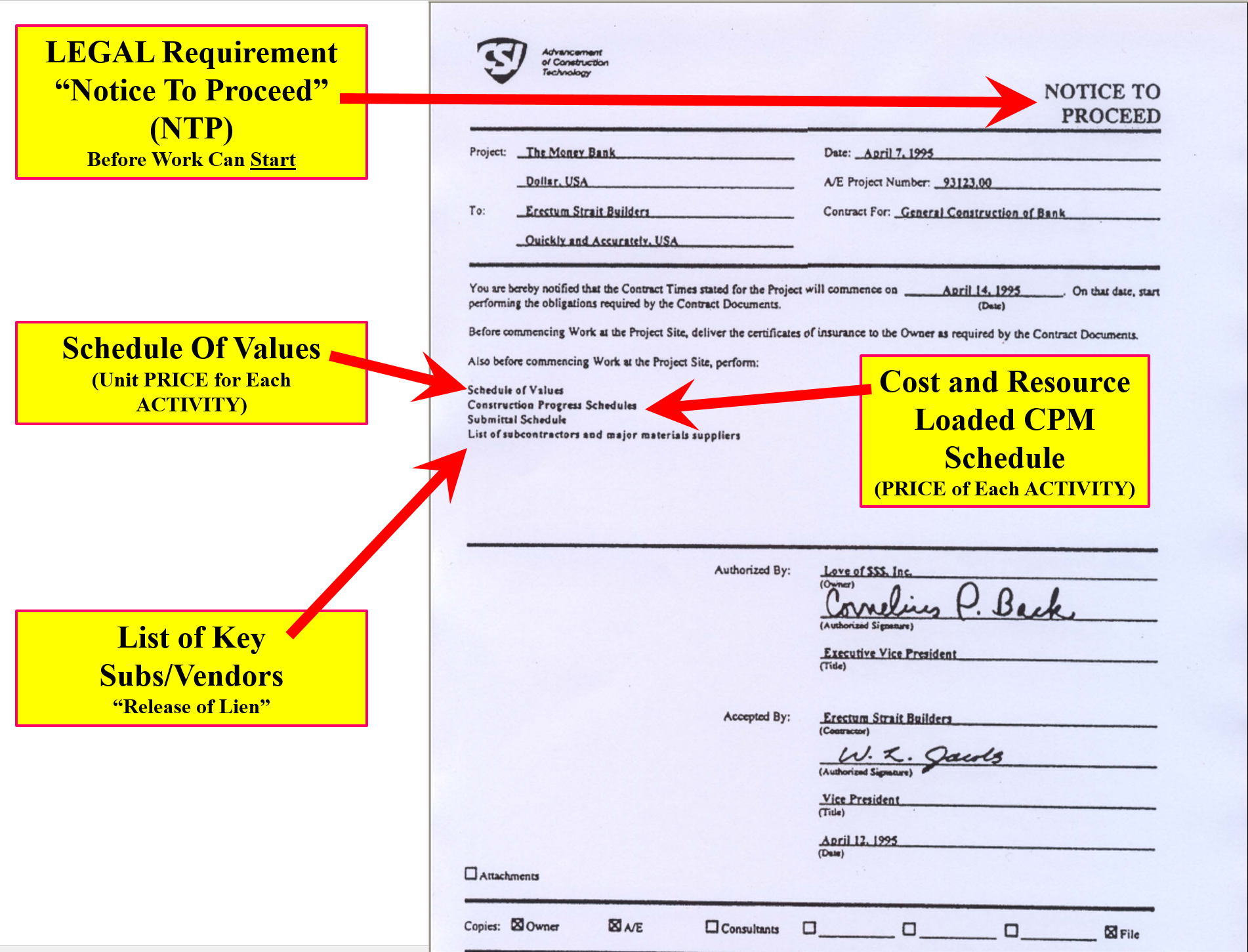
Figure 11 - Typical Notice To Proceed Containing Submittal Requirements
Source: Construction Specifications Institute’s Manual Of Practice 5th Edition
The elements shown above are the absolute MINIMUM that owners should be requesting and/or contractors should be providing. However, as all contracts are different, it is essential that the responsible professional planner/schedule or cost manager take the time to check to make certain they know and understand what documents are required and what the due dates are for those documents. This information should be included in the schedule, as it will serve to protect both the owner and contractor in the event claims or disputes arise.
In addition to a fully cost and resource loaded schedule, the cost estimator needs to supply a “Schedule of Values” which are the unit prices for all major activities and a list of subcontractors and vendors. The reason for this being with so many subs and vendors not getting paid, more and more companies with operations in countries governed by English law are finding liens filed against their properties in countries other than where the work was done. Courts are becoming increasingly unhappy with major global owners paying their prime contractors and then not following up to ensure that their prime contractors are paying the small local subs and vendors.
While the Guild of Project Controls recognizes that not all project owners issue an NTP and in fact, many contractors start work without even having a contract in place, this is an extremely risky practice and one the Guild does not condone or advocate as being a “best tested and proven” practice.
Also worth emphasizing is that there are many documents that serve the same purpose as the NTP by “authorizing” work to begin. Work Order, Work Directive, Purchase Order, Contract. “Hot Work Permit” are all examples showing how work can be authorized by an owner at different levels of granularity, from the project level down to working on specific activities.
05.4.4 OUTPUTS
- Signed Agreement (Contract)
- Notice To Proceed (NTP) Issued
05.4.5 REFERENCES & TEMPLATES
- Chartered Institute Of Purchasing And Supply (Cips) (2013) How To Prepare And Evaluate Tenders Http://Www.Cips.Org/Documents/Knowledge/Procurement-Topics-And-Skills/9-Supplier-Bid-Tender-Evaluation/Tendering/How_To_Prepare_And_Evaluate_Tenders-Knowledge_How_To.Pdf
- Government Of Ireland- Successful Tendering Guide (2012) Http://Secure.Investni.Com/Static/Library/Invest-Ni/Documents/Tendering-Guide-The-Tender-Process.Pdf
- Zemaitis Associates Ltd Guide to the tender procurement process https://www.zemaitis-uk.com/tender-procurement-process/
- Construction Specifications Institute’s Manual Of Practice 5th Edition
05.5 - Module 05-5 - Managing the Contract (Owner & Contractor)
05.6 - Module 05-6 - Closing the Contract (Owner & Contractor)
GPCCAR M05-4, Revision 1.01