05.0 - MANAGING CONTRACTS
05.1 - Module 05-1 - Introduction to Managing Contracts
05.2 - Module 05-2 - Develop The Managing Contracts Policies & Procedures Manual
05.3 - MODULE 05-3 - SELECT THE PROJECT DELIVERY METHOD / CONTRACT TYPE
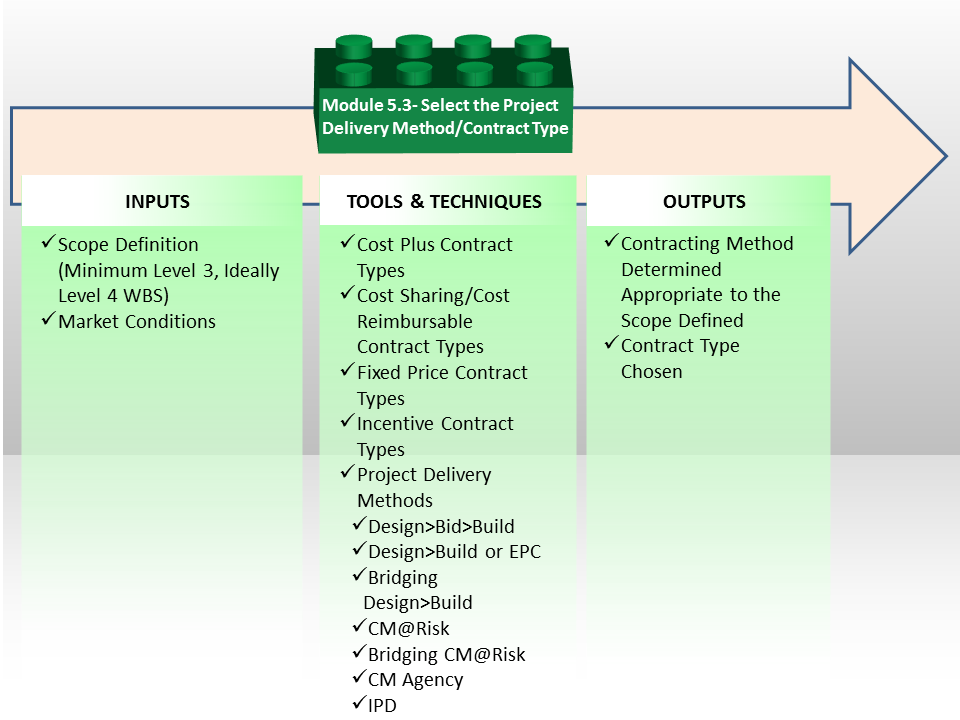
Figure 1 - Select Project Delivery Method / Contract Type Process Map
Source: Guild of Project Controls
05.3.1 INTRODUCTION
As explained during the introduction to this module, contract type is a function of scope definition and the willingness of both owner and contractor to assume risks and exploit opportunities, hopefully to the benefit of all parties but sometimes to the detriment of one or both parties.
In this model, we will explore the various project delivery methods in the context of what impact this may have on the project controls team in performing their jobs but also to ensure that as subject matter experts, the project control professional is able to advise their management about alternatives with the hopes of influencing these important decisions during the earliest phases of project evolution and development.
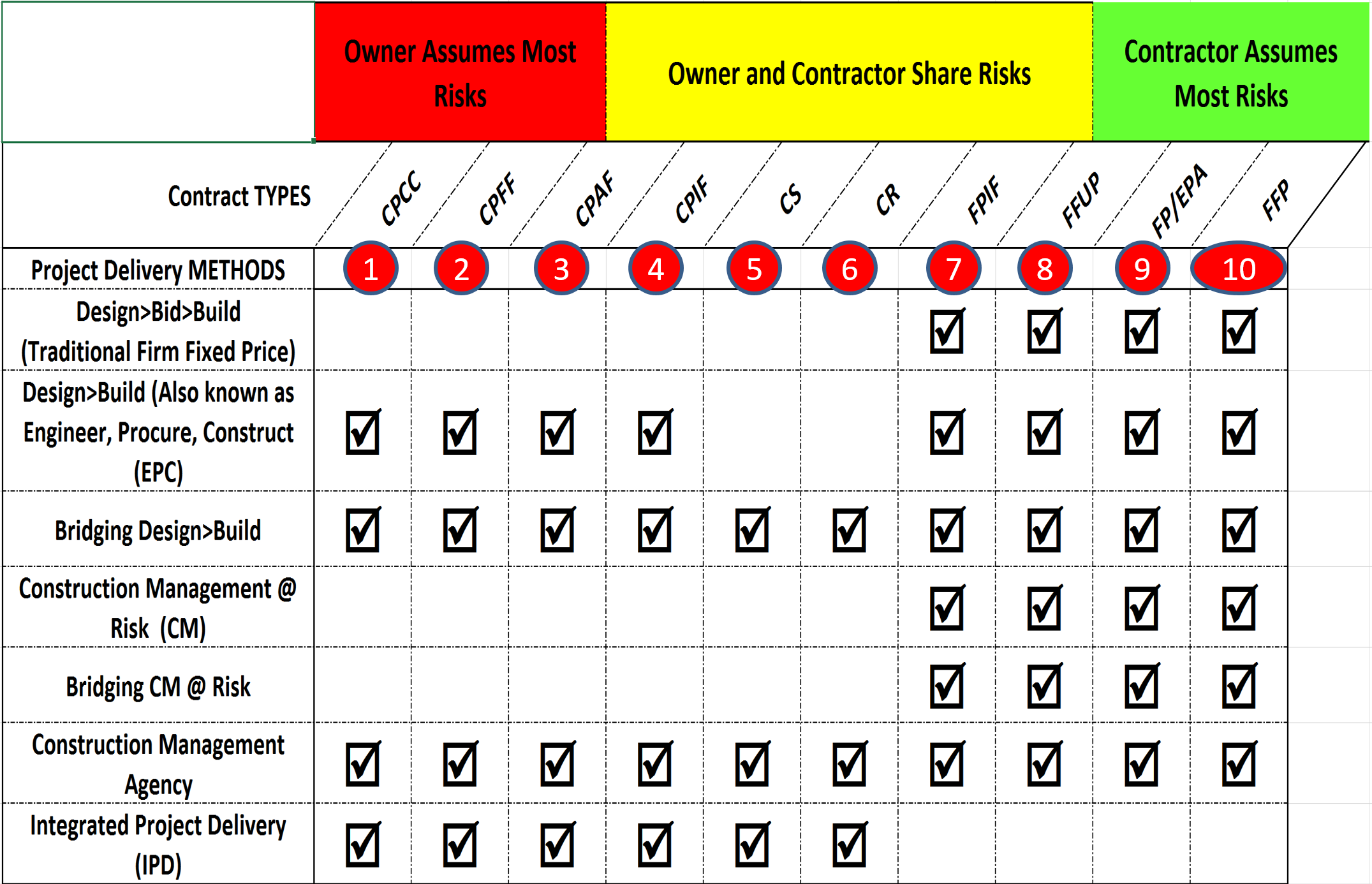
Figure 2 - Project Delivery METHODS and Contract TYPES Compared
Source: Giammalvo, Paul D (2015) Course Materials. Contributed Under Creative Commons License BY v 4.0
Explained another way, CONTRACT TYPES are based on scope definition and define the degree that risk is shared between an owner and contractor, while PROJECT DELIVERY METHODS are MANAGEMENT STRATEGIES which owners can choose from when deciding WHO and HOW they want the project managed.
Implicit in the above graphic is that not all contract TYPES are appropriate for each of the MANAGEMENT STRATEGIES. Some work better than others as the matrix above shows, and trying to use a contract TYPE which is not well suited to the MANAGEMENT STRATEGY is likely to result in less than optimum outcomes.
In the Figure 2 above, we have mapped the contract TYPES, rank ordered from highest risk to the owner (in red) to the lowest risk to the owner (in green) against the Project DELIVERY METHODS on the left. While there will always be exceptions to the rule, generally speaking this represents the typical project delivery methods used on “most projects, most of the time”. As we can see that not all contract TYPES are ideally suited to all types of Project DELIVERY METHODS. As noted on previous occasions this is a general rule of thumb and there will always be exceptions to the rule, but this should at least provide the professional practitioner with sufficient guidance to at least ask the right questions and to serve as the start for additional research should the issue be raised for discussion during the planning processes.
05.3.2 INPUTS
- Scope Definition (Minimum Level 3, Ideally Level 4 WBS)
- Market Conditions
05.3.3 TOOLS & TECHNIQUES
05.3.3.1 Contract Types
The following list of CONTRACT TYPES comes to us from Figure 2 above and has been sorted by the risks assumed by the OWNER in descending order. (The CPPC is the highest risk to the owner, the Firm Fixed Price (FFP) being the lowest risk to the owner)
In the second section of “Tools and Techniques” we will introduce the Project DELIVERY METHODS.
NOTE: Wherever practical, examples have been given to illustrate the various types of contracts, particularly the various incentive type contracts. For the purposes of those using this document to study for any of the GPC Certification Exams if there is an example or a case study shown, then you can expect to see a problem like that on the exam. If there is no case study or example shown then all you are likely to see on the exams are the definitions, applications or other factual, procedural or conceptual knowledge associated with each type of contract including when each one is appropriate to use.
(1) Cost Plus Percentage (CPPC)
- What is a “Cost Plus Percentage Contract”?
A form of contract for construction or other work in which the contractor (seller of services) is reimbursed for the direct costs it incurs in performing the work plus a percentage of the allowable costs as a fee; hence, cost-plus percentage. Depending on the contract, the percentage is often pure profit, but may or may not include project indirect costs, such as home office overhead. This is also known as “open book” contracting as the contractor must validate all costs charged against the project, including home office overhead costs.
The formula for this would be (Project Direct Costs Per Billing Period X Agreed to % = Contractors Fee for managing the execution of the work for that period).
- When is a Cost Plus Percentage Contract Used?
This type of contract is favored where the scope of the work is indeterminate or highly uncertain and the kinds of labor, material and equipment needed are also uncertain. This approach is commonly used for research and development projects. Under this arrangement, complete records of all time and materials spent by the contractor on the work must be maintained.
- What are some Pros and Cons of Cost Plus Percentage Contracts?
Pros- This type of contract provides the owner the most flexibility in making changes to the scope, quality or any other parameters without worrying about change orders coming from the contractor. Essentially, the contractor works at the direction of the owner, doing whatever the owner wants, whenever he/she wants or needs it done. In many cases, this works ideally for maintenance support projects.
Cons- There is zero incentive on the part of the contractor to reduce costs or provide innovative ways to make the work more efficient, which makes these kinds of project subject to significant cost over-runs. Generally speaking they are to be avoided unless there is no other alternative.
(2) Cost Plus Fixed Fee (CPFF)
- What is a “Cost Plus Fixed Fee Contract”?
A cost-plus fixed fee contract is a specific type of contract wherein the contractor is paid for the normal expenses for a project, plus an additional fixed fee for their services. These allow the contractor to collect a profit on the project, and they encourage economic production in various industries.
In general, the expenses in a cost-plus fixed fee are calculated according to market values. However, the “fixed fee” portion of the contract may be subject to negotiation between the parties, and can therefore vary according to the needs in each project. Cost-plus fixed fee contracts are sometimes referred to as CPFF contracts, cost-plus contracts, cost-reimbursement contracts, and cost + fixed fee contracts. This too is another example of “open book” contracting as the contractor is contractually obligated to disclose any and all DIRECT or PROJECT INDIRECT costs charged to the owner, the only exceptions being contractors home office overhead which is included in the fee, along with the profit margin.
The formula for this would be (Project Direct Costs Per Billing Period + (Fixed Fee/Scheduled Duration) = Per Period Total Cost to the Owner.
The risk to the contractor is if the project runs LONGER then he/she will lose money as the management fee was a firm fixed price. Conversely, if the project finishes ahead of schedule, then the OH&P costs for that last month become pure profit.
- When is a Cost Plus Fixed Fee Contract Used?
Cost plus fixed fee contracts can be used when both the contractor and the owner agree that the contractor is entitled to a fee in addition to the project expenses. There may be various reasons for this agreement, but cost-plus contracts should also spell out the basic reasons that the contractor is entitled to the fee. There should also be provisions addressing what legal consequences should follow if the fee provisions aren’t upheld.
- What are Some Pros and Cons of Cost Plus Fixed-Fee Contracts?
Depending on the parties’ needs, there may be different pros and cons to using a cost-plus fixed fee contract arrangement. In order to avoid a breach of contract, both parties should consider these aspects of cost-plus contracts.
Pros- The final cost may be lower than in a normal contract, as the contractor usually will not “inflate” prices to cover risks. The contractor also has less incentive to control the project costs (in contrast to other types of contracts, such as a fixed-price contract). They can often ensure higher-quality output than normal contracts.
Cons- The final, overall cost may not be very clear at the beginning of negotiations. May require additional administration or oversight of the project to ensure that the contractor is factoring in the various cost factors. May be less incentive to complete the project in an efficient manner, compared with fixed-price contracts
Thus, both parties should weigh all the pros and cons before entering into a cost plus fixed-price contract.
Again, each contract will be different, depending on the type of project involved and the relationship of the parties.
(3) Cost Plus Award Fee (CPAF)
- What is a “Cost Plus Award Fee Contract”?
A cost-plus-award-fee contract is a cost-reimbursement contract that provides for an incentive fee consisting of an award amount that the contractor may earn for performance and that is sufficient to provide motivation for excellence in such areas as cost, schedule and technical performance. The amount of the award fee to be paid is determined by the owners’s judgmental evaluation of the contractor’s performance in terms of the criteria stated in the award fee plan (which the DFARS requires be made a part of the contract). This determination and the methodology for determining the award fee are unilateral decisions of the individual referred to as the Fee Determining Official (FDO).
- When is a Cost Plus Award Fee Contract Used?
Cost-plus-award-fee (CPAF) contracts have been one of the most frequently used incentive contracts in DoD and other agencies. The CPAF contract should be used when the work to be performed is neither feasible nor effective to devise predetermined objective incentive targets applicable to cost, schedule or technical performance. In cost reimbursement contracts when it is not possible to establish pre-negotiated objective targets, it may be necessary to incentivize subjective areas of the contractor’s performance, therefore a cost-plus-award-fee contract may be appropriate.
The philosophy of providing contractors an award fee is based on the premise that the potential improvement in quality of contract performance offsets an additional cost to the contract. How one establishes and allocates fee on a CPAF contract is critical to obtaining the best possible motivation for excellent performance at the most significant times. Note that the Defense Federal Acquisition Regulation Supplement (DFARS) requires 40% of the Award Fee to be in the final evaluation period (DFARS 216.405-2).
The combination of contractor motivation and evaluation flexibility can prove advantageous in the situation making necessary use of a cost reimbursement type contract. It also can encourage more effective communications between the parties and foster a kind of management discipline that is often difficult to sustain in other than an award fee environment. For this reason, many believe the award fee approach is as much a management tool as an incentive contract type.
An example would be “customer satisfaction”. Although this is without question a valid objective for any project or any contractor, the challenge is how do we measure it?
- What are the Pros and Cons of using a Cost Plus Award Fee contract?
Pros- The CPAF contracts contain attributes that often result in better communication than other types of contracts between the Government and the contractor and greater contractor motivation to achieve exceptional contract performance. These attributes are normally associated with the process of monitoring and evaluating contractor performance.
Cons- As the incentive (Award Fee bonuses) are subjective, they can result in disputes.
(4) Cost Plus Incentive Fee (CPIF)
- What is a “Cost Plus Incentive Fee Contract?
A cost-plus-incentive fee (CPIF) contract is a cost-reimbursement contract that provides for an initially negotiated fee to be adjusted later by a formula based on the relationship of total allowable costs to total target costs.
Like a cost-plus contract, the price paid by the buyer to the seller changes in relation to costs, in order to reduce the risks assumed by the contractor (seller). Unlike a cost-plus contract, the cost in excess of the target cost is only partially paid according to a Buyer/Seller ratio, so the seller's profit decreases when exceeding the target cost. Similarly, the seller's profit increases when actual costs are below the target cost defined in the contract.
- When is a Cost Plus Incentive Fee Contract Used?
A Cost Plus Incentive Fee contract is used when an objective relationship can be established between the fee and such measures of performance as actual costs, delivery dates, performance benchmarks, (i.e. safety, health and the environment) and the like.
- What are the Pros and Cons of using a Cost Plus Incentive Fee contract?
Pros- Ideal for use when an owner is unclear on certain scope elements (work packages) and does not have the expertise or knowledge that the contractors would have for those work packages.
Cons- The incentives have to be structured in such a way that they are realistic and achievable yet challenging while at the same time, providing sufficient incentive to cover the costs of achieving the objective’s and yielding a profit.
(5) Cost Reimbursable (CR)
- What is a “Cost Reimbursable Contract”?
Cost-reimbursement types of contracts provide for payment of allowable incurred direct costs, to the extent prescribed in the contract. These contracts establish an estimate of total cost for the purpose of obligating funds and establishing a ceiling that the contractor may not exceed (except at its own risk) without the approval of the contracting officer. In most cost reimbursable contracts there is no compensation to the contractor for home office overhead or profit. Overhead and profit derive from the shared ownership and/or use of the patents or products generated by the research and development.
- When is a Cost Reimbursable Contract Used?
A cost contract may be appropriate for research and development work, particularly with non-profit educational institutions or other non-profit organizations OR when the contractor has ownership of any patents or products created by the research or development.
This type of contract forms the basis for many production sharing contracts used in the oil and gas sector. It also formed the basis for the US Government’s contract with Owens Corning to design the heat shield for the space shuttle vehicles. The US Government paid for Owens Corning’s development costs (cost reimbursable) in exchange for the contractor providing the heat shield tiles at cost. In the meantime, the Contractor (Owens Corning) was able to adapt their research for commercial uses, which resulted in amongst other products, a line of dishes which could go from the freezer direct into a microwave without breaking when heated.
- What are the Pros and Cons of using a Cost Reimbursable Contract?
Pros- This is an ideal type of contract to use in high risk/high cost projects, particularly between government agencies and private contractors (Public-Private Partnerships) It combines the financing power of governments with technological expertise of private sector contractors which will benefit both parties.
Cons- Calculating the appropriate share ratio given the contributions and the risks assumed by each party can be tricky and are not always “fair”.
(6) Cost Sharing (CS)
- What is a “Cost Sharing Contract”?
Cost-Sharing types of contracts are identical to Cost Reimbursable contracts except that instead of only one party providing the funding, both parties share in the costs. Otherwise, the applications, pros and cons are identical for both types of contract.
An example of this is the relationship between General Motors and the US Government to build a replacement for the venerable “Jeep” from WWII until the 1970’s. GM and the US Government shared the design and engineering costs giving the US Military the “Humvee” to replace the Jeep, which GM was able to create a commercial version for the civilian sector, which is/was made famous by Arnold Swartzenegger as the “Hummer”.
- When is a Cost Sharing Contract Used?
A cost contract may be appropriate for research and development work, particularly with non-profit educational institutions or other non-profit organizations OR when the contractor has ownership of any patents or products created by the research or development.
This type of contract forms the basis for many production sharing contracts used in the oil and gas sector where the client (usually a government agency) and the oil company, split the revenue stream produced by an oil or gas well after deducting allowable depreciation and operating expenses.
- What are the Pros and Cons of using a Cost Sharing Contract?
Pros- This is an ideal type of contract to use in high risk/high cost projects, particularly between government agencies and private contractors (Public-Private Partnerships) It combines the financing power of governments with technological expertise of private sector contractors which will benefit both parties.
Cons- Calculating the appropriate share ratio given the contributions and the risks assumed by each party can be tricky and are not always “fair”.
(7) Fixed Price Incentive Fee (FPIF)
- What is a “Fixed Price Incentive Fee Contract”?
A fixed-price incentive contract is a fixed-price contract that provides for adjusting profit and establishing the final contract price by application of a formula based on the relationship of total final negotiated cost to total target cost. The final price is subject to a price ceiling, negotiated at the outset. This is also known as a “Fixed Price with Guaranteed Maximum” or a “Guaranteed Not To Exceed” contract. Essentially, it is a target cost contract but with a cap.
- When is a Fixed Price, Incentive Fee Contract Used?
A Fixed Price, Incentive Fee contract is used when a ceiling price can be established that covers the most probable risks inherent in the nature of the work. The proposed profit sharing formula would motivate the contractor to control costs and/or to and meet other objectives.
- What are the Pros and Cons of using a Fixed Price, Incentive Fee contract?
Pros- This type of contract is appropriate for use when moving into production of a major system based on a prototype.
Cons- Calculating the appropriate share ratio given the contributions and the risks assumed by each party can be tricky and are not always “fair”.
OTHER INCENTIVE CONTRACT TYPES
As these are just variations on the Fixed Price, Incentive Type contracts, what they are and when they are used remain the same as for Fixed Price, with Incentive. However, because these are variations the pros and cons differ.
- A + B Method or Time + Cost Method
The A + B Method (also known as the Time + Cost Method) is another tested and proven contracting type that could or should be used more frequently, particularly where TIME is the critical factor more than cost (Primarily the lost opportunity costs).
The easiest way to explain the A + B method is that the bid is set up just like any other competitively bid project. The owner supplies the “end result” or Performance Specifications combined perhaps with one or more choices of Proprietary Specifications as we will see in the case study. The contractors then bid the project just as they would any other competitively bid project.
For a complete explanation here is the most complete reference available. While this uses road construction as an example, the concept can be readily adapted to any project where there are opportunity costs.
US Department of Transportation, Federal Highway Administration (2011) “Work Zone Road User Costs Concepts and Applications” http://www.ops.fhwa.dot.gov/wz/resources/publications/fhwahop12005/fhwa…
Here is a summary of the advantages and disadvantages using the A + B method:
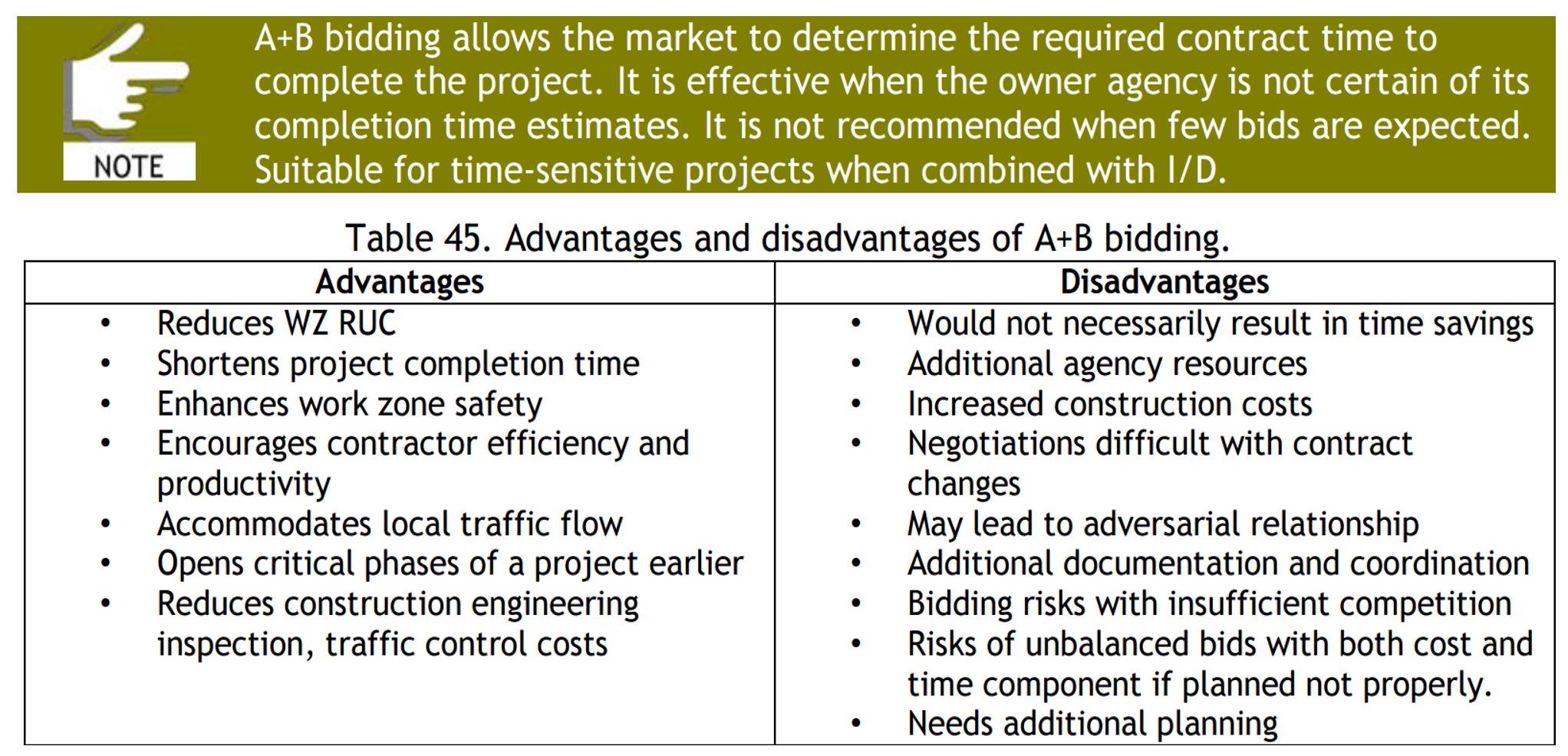
Figure 3 - Advantages and disadvantages using the A + B method
Source: Work Zone Road User Costs Concepts and Applications (2011)
- Lane Rental Approach
Another variation of the A & B method is known as the Lane Rental Approach. In lane rental, the contractor pays a rental fee for the time period a lane is closed to through traffic for construction activities. This provision is intended to minimize the disruption of the work zone traffic and to encourage minimal use of lanes for construction activities. In this approach, the owner agency determines the number and duration of lane closures. The lane rental fee is estimated using the WZ RUC of the closure period. Closures may be continuous or intermittent, restricted to off-peak hours, night work, weekend, or during the execution of specific tasks, such as blasting.P1F 106P The owner must estimate the closure time accurately, and the methodology for determining closure time should be defined clearly in the specifications. In some cases, the contractor may be allowed to propose the required amount of closure time and number of closures in their bid submissions.4TP 99P4T Lane rental fee can be combined with an I/D provision or may apply only for the period of schedule overrun. Lane rental also can be combined with the A+B bidding method. Lane rental generally is suitable when detours are long, unavailable, or impractical, or when peak hour traffic is impacted adversely. It is well suited for multiple lane roads with high traffic volumes where there is flexibility for intermittent or temporary lane closures to keep at least one lane open to traffic through the work zone.
Typical projects include mill and overlay, temporary widening, patching, diamond grinding, dowel retrofitting, reclamation and recycling, guardrails, striping, signing, bridge painting, crack sealing, signal systems, and traffic management projects. Lane rental is not suitable for projects where long-term permanent lane closures are required, such as bridge re-deck or concrete rehabilitation projects.
Here is a summary of the pros and cons of using the Lane Rental Approach:
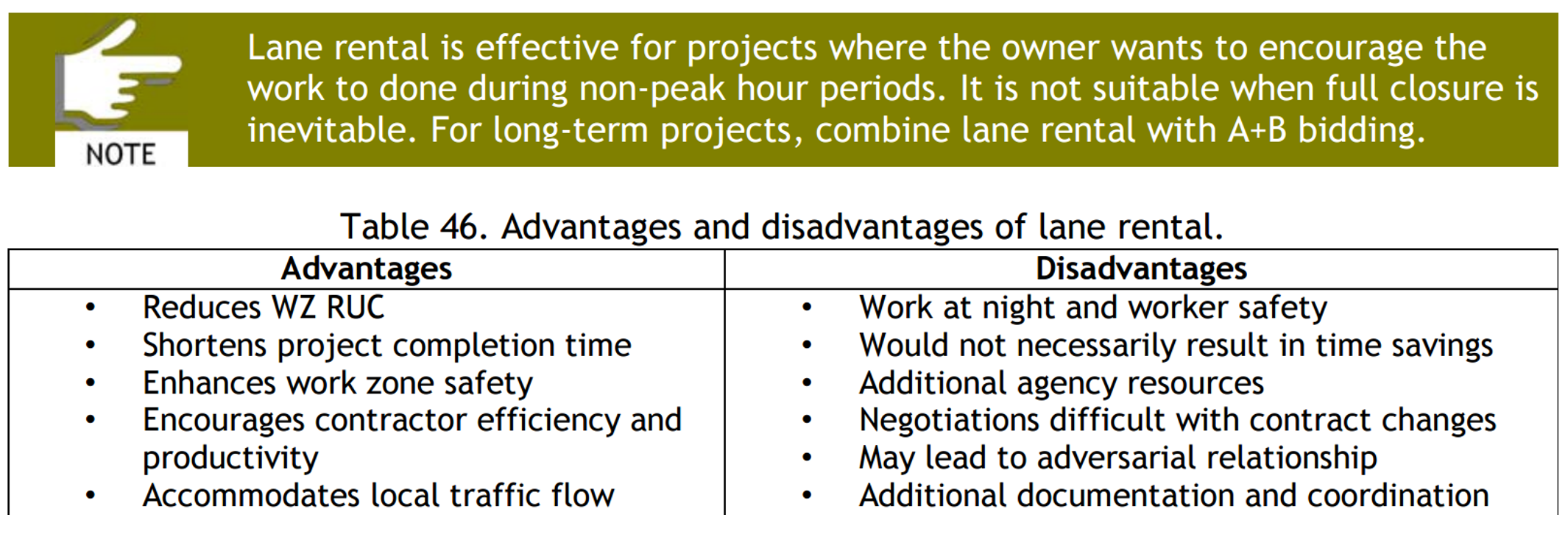
Figure 4 - Advantages and disadvantages using the Lane Rental Approach
Source: Work Zone Road User Costs Concepts and Applications (2011)
(8) Fixed Price W/ Economic Adjustment (FP/EPA)
- What is a “Fixed Price with Economic Adjustment Contract”?
Fixed-Price Economic Price Adjustment (FPEPA). (FAR 16.203) A FPEPA contract is designed to cope with the economic uncertainties that threaten long-term fixed-price arrangements. The economic price adjustment (EPA) provisions provide for both price increases and decreases to protect the Government and the contractor from the effects of economic changes.
EXAMPLE- The project requires a large amount of reinforcing steel over an extended period of time. Historically, the price of reinforcing steel has fluctuated dramatically. The contractor is required to provide the unit price for rebar upon which the bid was based and in the contract documents, it states that if the price of rebar varies by more than +/- 10% from that price, there will be an equitable adjustment in the contract value to reflect the change in prices.
You may use an FPEPA contract in sealed bidding or negotiation when both of the following conditions exist:
- When is a Fixed Price with Economic Adjustment Contract Used?
There is serious doubt concerning the stability of market or labour conditions that will exist during an extended period of contract performance.
Volatility of the markets for labor and material. The more volatile the market, the greater the benefits that can be derived from FPEPA utilization.
Projected contract period. The longer the contract, the greater the contractor's exposure to an uncertain market. FPEPA contracts are normally not used for contracts that will be completed within six months of contract award.
The amount of competition expected. If markets are truly volatile, many firms may be unwilling to submit an offer without EPA protection.
Dollar value of the contract. The greater the cost risk to the contractor, the greater the benefits that can be derived from an FPEPA contract. In the DoD, adjustments based on actual labor or material cost are generally not used for contracts of $50,000 or less (DFARS 216. 203-4(c)).
Risk Contingencies that would otherwise be included (buried in the contract price) can be identified and covered separately in the contract.
- What are the Pros and Cons of using a Fixed Price with Economic Adjustment contract?
Pros- This type of contract was designed for use on long-term contracts for materials, equipment or professional services during a period of high inflation, currency fluctuations or whenever price instability is likely.
Cons- In the event of high inflation this type of contract can have significant negative impacts on the costs of the project to the owner or sponsoring organization.
(9) Firm Fixed Unit Price (FFUP)
Also known as Job Order Contracting or Indefinite Time / Indefinite Quantity Contracts
- What is “Job Order” Contracting?
A job order contract is a long term, indefinite delivery-indefinite quantity contract for construction services delivered on an on-call basis through firm fixed price delivery orders based on pre-established unit prices.
- When is a Firm Fixed Price Contract Appropriate to Use?
JOC is intended for minor new construction, maintenance and repairs: Bridge maintenance, Asphalt/Concrete pavement repair, Guardrail/Guardcable repair, General Drainage maintenance, Signal/Lighting repair, Mowing/Landscaping, Building maintenance
- What are the pros and cons of using a Firm Fixed Unit Price Contract?
Time and Cost Savings, Reduce Change Orders, Build Working Relationships, Minimize Unbalanced Bidding
(10) Firm Fixed Price (FFP)
- What is a “Firm Fixed Price” Contract?
A firm-fixed-price contract provides for a price that is not subject to any adjustment on the basis of the contractor’s cost experience in performing the contract. This contract type places upon the contractor maximum risk and full responsibility for all costs and resulting profit or loss. It provides maximum incentive for the contractor to control costs and perform effectively and imposes a minimum administrative burden upon the contracting parties.
- When is a Firm Fixed Price Contract Appropriate to Use?
A firm-fixed-price contract is suitable for acquiring commercial items or for acquiring other supplies or services on the basis of reasonably definite functional or detailed specifications, which is generally agreed to be 85% or better and when the contracting officer or project manager can establish fair and reasonable prices at the outset, such as when-
1) There is adequate price competition;
2) There are reasonable price comparisons with prior purchases of the same or similar supplies or services made on a competitive basis or supported by valid certified cost or pricing data;
3) Available cost or pricing information permits realistic estimates of the probable costs of performance; or
4) Performance uncertainties can be identified and reasonable estimates of their cost impact can be made, and the contractor is willing to accept a firm fixed price representing assumption of the risks involved.
- What are the pros and cons of using a Firm Fixed Price Contract?
Pros for the Contractor - For the contractor or service provider, a fixed-price contract means it will know exactly how much it is to be paid for the job. In addition, the contractor does not have to worry about variable elements, such as the weight of paper stock on a printing job, or haggle with the client over materials costs. These elements and prices are set before the job begins. In addition, while the contractor assumes the risk of higher-than-expected costs, it also does not have to pass along savings if costs prove lower than anticipated. Finally, dealing with fixed-price contracts gives the contractor experience with the type of contract favoured by lucrative clients such as the government
Cons for the Contractor - 100% of the risk for labor, materials and the finished product is owned by the contractor. Depending on the type of specifications used the risk of performance of whatever it was the project was undertaken to do may also be borne by the contractor (Design-Build or Engineer, Procure, Construct and Commission or EPCC). If the specifications were Prescriptive and the Contractor built the project in substantial conformance to those specifications, then the risk of the product of the project doing what it was undertaken to accomplish is the owners.
Pros for the Client - Beyond knowing exactly what it will have to pay for the job, the client has one fundamental advantage with a fixed-price contract: Much of the financial risk is placed on the contractor. Once a contract is in place with a firm fixed price, the client is not obligated to pay more to cover higher-than-anticipated costs. In addition, the client can seek bids on the contract that do not include any variables such as an hourly labor charge or substitution of materials. This lets the client compare bids on a level playing field, which should help it get the best possible price in a final agreement.
Cons for the Client - If the Client (Owner or Buyer) has not done a good job of defining at least 85% scope, then he/she is at risk of getting considerable number of change requests and/or claims for additional work. The owner is also subject to providing input in a time manner (i.e. Site access, shop drawing and other approvals, owner supplied equipment etc) otherwise they risk delaying the project and incurring extended overhead claims
For more on contracting types, here are links to the leading globally recognized sources for STANDARDIZED CONTRACT DOCUMENTS. These organizations have developed and offer contracts designed specifically for each of the different contract types:
- International Federation of Consulting Engineers (FIDIC) http://fidic.org/node/7089
- American Institute of Architects (AIA) Contract Documents http://www.aia.org/contractdocs/referencematerial/aiab098216
- Engineers Joint Contract Documents Committee (EJCDC) https://www.ejcdc.org/
- ConsensusDocs https://www.consensusdocs.org/
- Construction Specifications Institute Manual of Practice- http://www.amazon.com/The-Project-Resource-Manual-Practice/dp/0071370048
Having completed a review of the contracting TYPES that a project control professional needs to know and understand, we now look to the different contracting METHODS which can be used, keeping in mind that as we can see from Figure 2, not all contracting TYPES will work or are appropriate to use with all contracting METHODS.
The following section copied in large part from a paper published in 2010 by the Brookwood Group titled “7 Project Delivery Methods”. This was chosen as it represents the ideal level of detail that project control professionals should know and understand about the various contracting methods in our role as subject matter experts. For those interested in learning more, supplemental references have been provided to help get you started.
Another excellent resource which explains the various advantages and disadvantages of each of these methods comes to us from the Australasian Procurement and Construction Council (2014) Building and Construction Procurement Guide Principles and Options https://www.apcc.gov.au/ALLAPCC/Building-and-Construction-Procurement-G…
05.3.3.2 Project Delivery Methods
Referring to Figure 2 Project Delivery METHODS and Contract TYPES shown above, below we will look at the left side of the matrix which are the PROJECT DELIVERY METHODS.
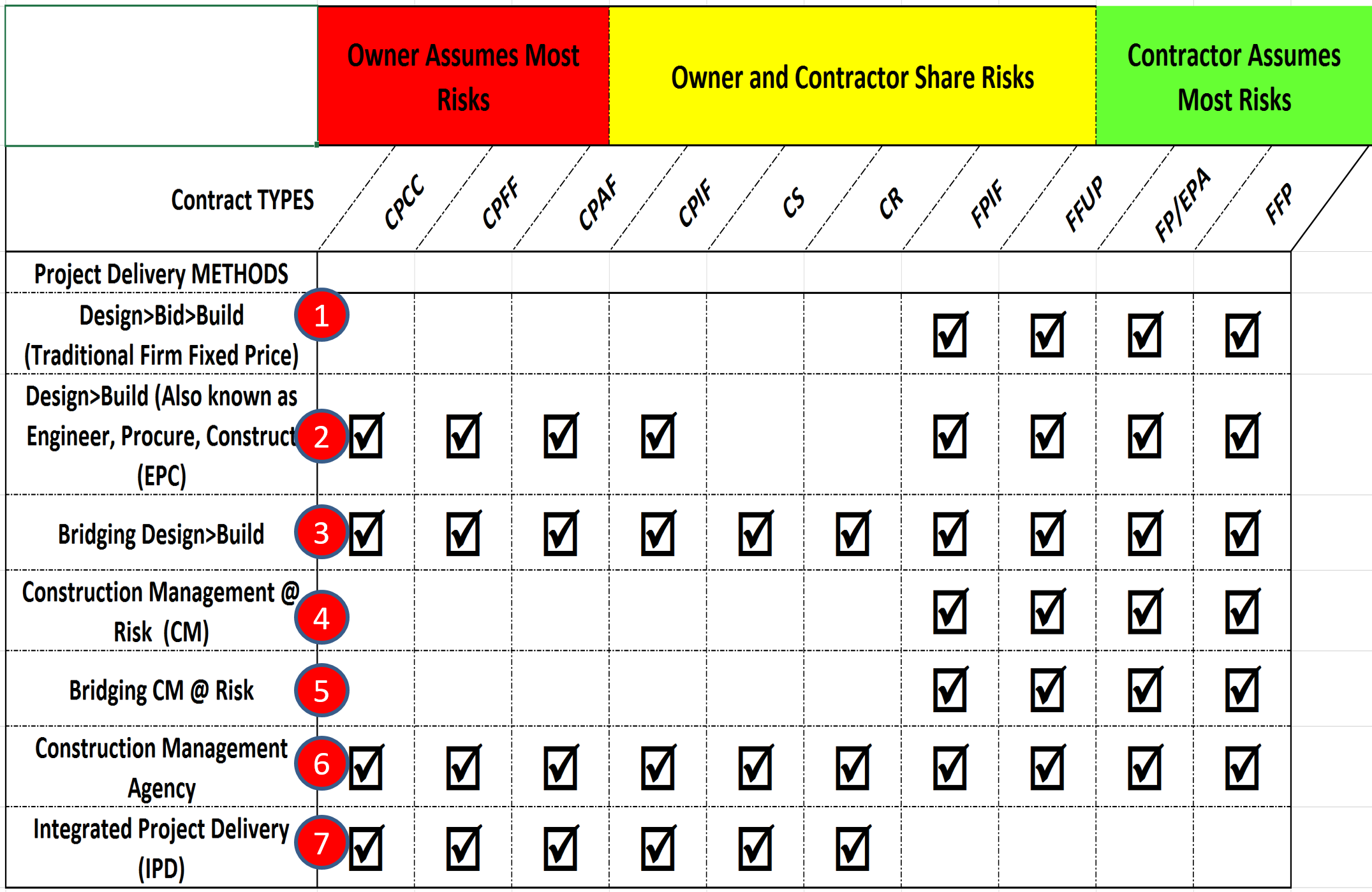
Figure 5 - Project Delivery METHODS and Contract TYPES Compared
Source: Giammalvo, Paul D (2015) Course Materials. Contributed Under Creative Commons License BY v 4.0
These project delivery methods have been rank ordered roughly in order of how common or frequently they are used. Again this rank ordering is subjective and is subject to change from area to area and even industry to industry, but does reflect what we find “on most projects, most of the time”.
The graphics and explanations below are provided compliments of the Brookwood Group with their 2010 “7 Project Delivery Methods”
(1) Design-Bid-Build (Traditional Firm Fixed Price)
The Design-Bid-Build project delivery method is generally referred to as the traditional method. Although various alternatives to this traditional method have come into greater use in recent years, it is still preferred by many owners. Many Owner organizations in the public sector continue to be primarily oriented to this method. The traditional method has a number of fundamentally sound aspects. It is a logical and orderly method that is well understood throughout the United States and in many other parts of the world. It easily meets all procurement procedure requirements, being free of conflicts of interest. It provides a clear and transparent method for obtaining direct “apples-for-apples” competition for a fully described and illustrated end product before construction starts. It also provides for the highly desirable direct professional relationship between the owner/user and the architect-engineers for the project. The below diagram illustrates the basic organization of a typical Design-Bid-Build project.
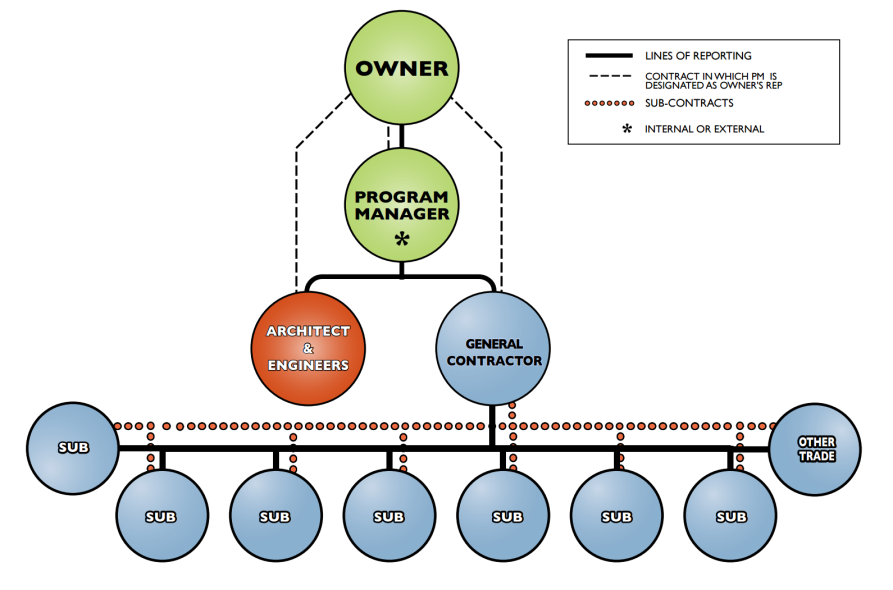
Figure 6 - Design-Bid-Build Organization Structure
Source: Brookwood Group (2010)
(2) Design-Build (Also known as Engineer, Procure, Construct and Commission (EPCC)
The Design-Build method of construction project delivery can be employed on a wide range of building types. It is best used by an owner organization that is in a position to rely upon relationships in the procurement of construction. However, it can also be useful for projects for other types of owners as long as procedures for leverage retention are provided in the Owner-Contractor agreement and an appropriate plan of management is developed and followed. Design-Build has been used for years by many owners with good results. The method was first used fairly widely in the United States for industrial projects in which the cost of the building envelope was less than the manufacturing or process equipment that went into or alongside the building itself. Use of Design-Build has grown steadily through the years for a wide range of building types and sizes, though it is still generally favoured by many owners and consultants for simpler building types. In Design-Build the Architect and Consulting Engineers are subcontractors to the (general) Contractor or are members of the Contractor’s organization. In some cases, the Contractor may be a subcontractor to the Architect or Engineers.
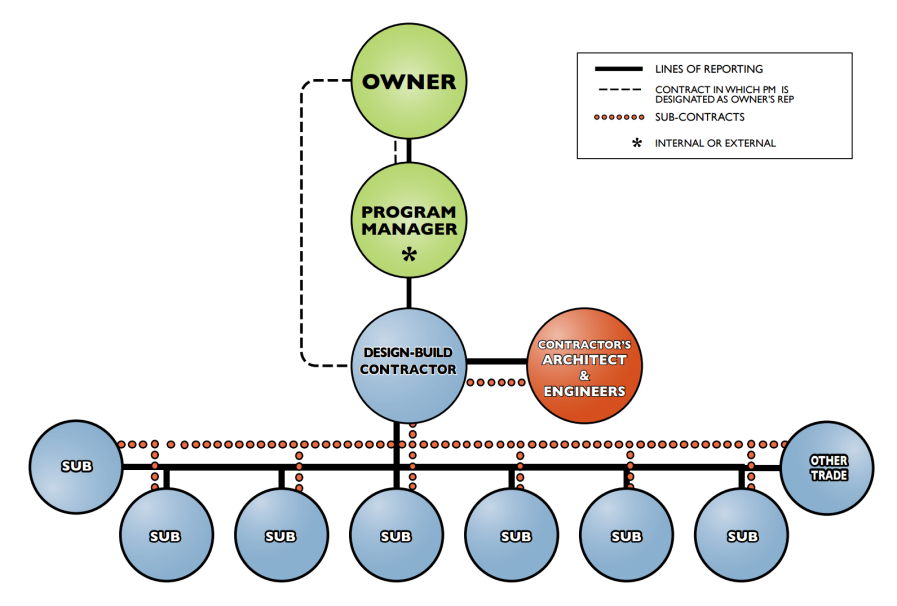
Figure 7 - Design-Build Organization Structure
Source: Brookwood Group (2010)
(3) Bridging / Design Build
As shown in below, bridging allows the Owner to obtain a highly enforceable fixed price for construction in about half the time and half the at-risk cost compared to the traditional Design-Bid-Build method. The price obtained by this method and at this earlier point, is more enforceable than a price obtained by Design-Bid-Build, CM-at-Risk or Design-Build.

Figure 8 - Bridging / Design Build Method
Source: Brookwood Group (2010)
Bridging greatly reduces the Owner’s exposure to construction risks including contractor initiated change orders, claims, as well as delays/disputes in resolving blame for flaws in the design or construction discovered after occupancy.
On most projects, it will shorten the construction time due to the Contractor’s more intensive planning and input during the preparation of the final drawings and specifications.
On most projects, it will reduce overall final costs for a fully equivalent end product.
The Owner and the ODC can exert whatever degree of design and construction quality control they wish
(4) Construction Manager “CM”-at-Risk
The Construction Manager at Risk project delivery method can be a very comforting and effective way to manage the design and construction of a project as long as the Owner’s organization is one that is in a position to rely upon relationships in the procurement of construction. In CM-at-Risk, the Owner will either select the Architect and consulting Engineers (Architect) first so they can be involved in the selection of the CM, or the CM and the Architect will be selected at the same time. In some cases the CM may be selected before the Architect and may be involved in that selection. If an external Program Manager (“PM”) is to be engaged by the Owner, the PM, acting as the Owner’s representative should be selected first to assist the Owner in the preparation of the contracts for the CM and the Architect/Engineers as well as assisting the Owner in those selection processes.
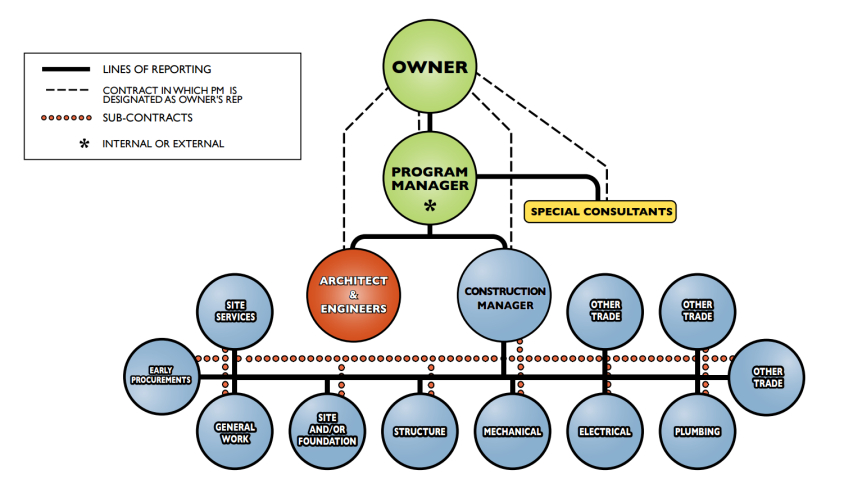
Figure 9 - CM at Risk Organizational Structure
Source: Brookwood Group (2010)
(5) Bridging / "CM"-at-Risk
The typical CM-at-Risk delivery method has become more widely used in recent times due to its popularity with contractors and construction managers who vigorously market it. At the same time there has been an increased number of Owners who have been concerned with the lack of enforceability of a Guaranteed Maximum Price (“GMP”) which is issued before final traditional drawings and specifications are fully complete. Bridging/CM-at-Risk (“Bridging/CMR”) can be an effective way for an Owner and the Owner’s Program Manager to deal with that issue. Bridging/CMR also provides the Owner with a good alternative to basic Bridging in the following situations: 1. It is to the Owner’s advantage to have an early selection of the Contractor with the Contractor’s AE. 2. In overheated construction markets.
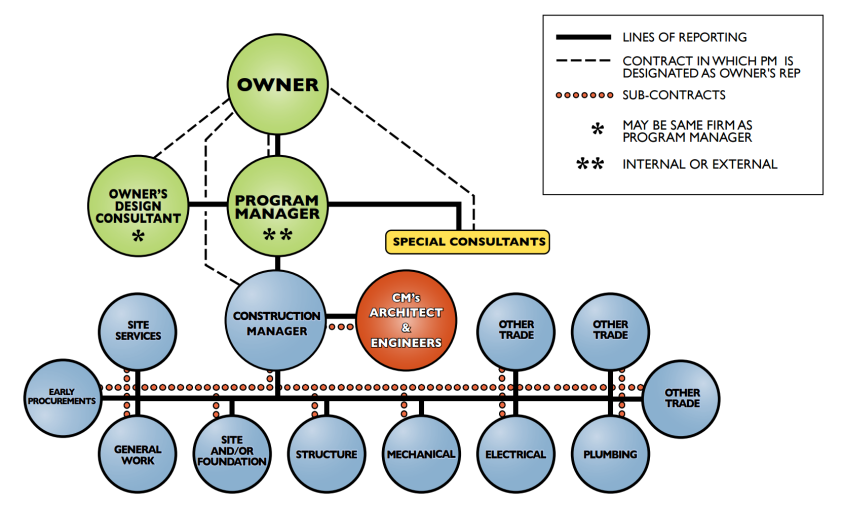
Figure 10 - Bridging CM at Risk Organization Structure
Source: Brookwood Group (2010)
(6) CM Agency
The Construction Management Agency project delivery method was the basic CM idea that emerged in the 1960s as major construction programs, particularly public agency programs, began to be undertaken after World War II. During that period this early alternative delivery method was referred to simply as “Construction Management” or “CM”.
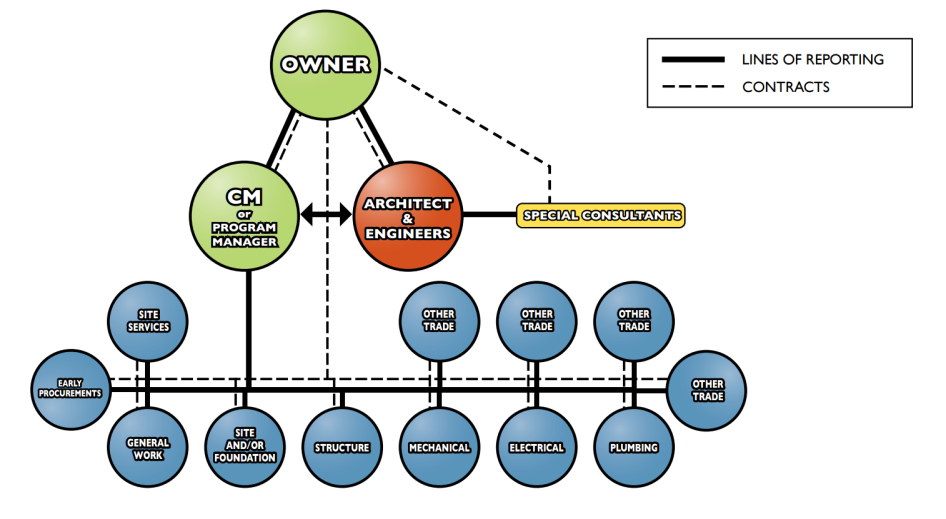
Figure 11 - CM Agency Organization Structure
Source: Brookwood Group (2010)
(7) Integrated Project Delivery
Integrated Project Delivery is a relatively new project delivery method that seeks to eliminate costly waste and miscommunication in design and construction and provide the owner with early and reliable cost and schedule certainty. It does so by bringing all the key participants to the table early in the design process and making them jointly responsible for a collaboratively validated design, budget and schedule. “Key participants” is defined as the owner, the design team, and the builder, plus disciplines and trade contractors whose input has the most impact on design, cost, and schedule. Early participation is valuable to the owner because architects and engineers are not sufficiently well informed about the most practical construction methods nor do they have the market insights available to specialty contractors. This is more the case now than ever, as building systems become more specialized and complex. Depending on the specifics of the project these early participants might include mechanical, electrical, and plumbing subcontractors, curtain wail fabricators and installers, structural steel fabricators, and wall and ceiling framing and finish, together accounting for more than half of the work by value. Smaller, less critical subcontracts such as floor coverings, painting, etc are bid out in the traditional way.
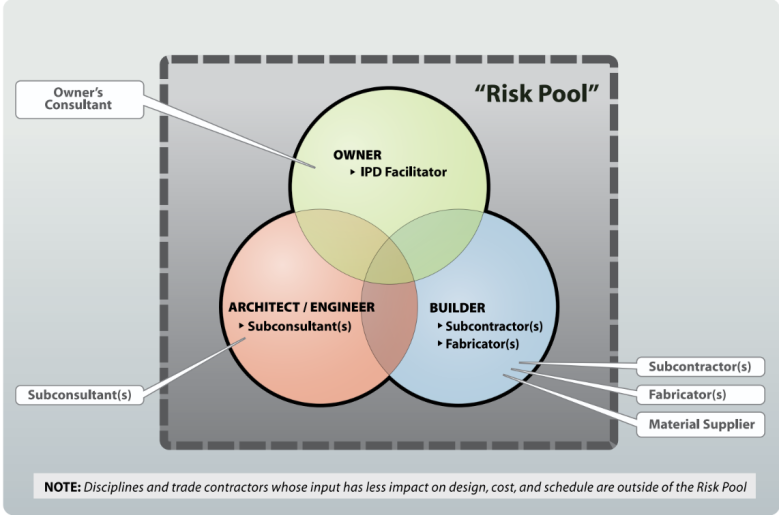
Figure 12 - Integrated Project Delivery Organization Illustrated
Source: Brookwood Group (2010)
Using the IPD approach, all contracts are some type of cost plus incentive. Note that the use of the term “open book” in the graphic below is synonymous with cost plus, cost reimbursable or cost sharing contracts where the owner and in some cases the contractor as well, has the right to audit the financial records of the project. The remaining contract types (i.e. Cost Plus with or without a Guaranteed Maximum Price (GMP) or “Guaranteed Not To Exceed” (NTE) are covered in the first section of the “Tools and Techniques.
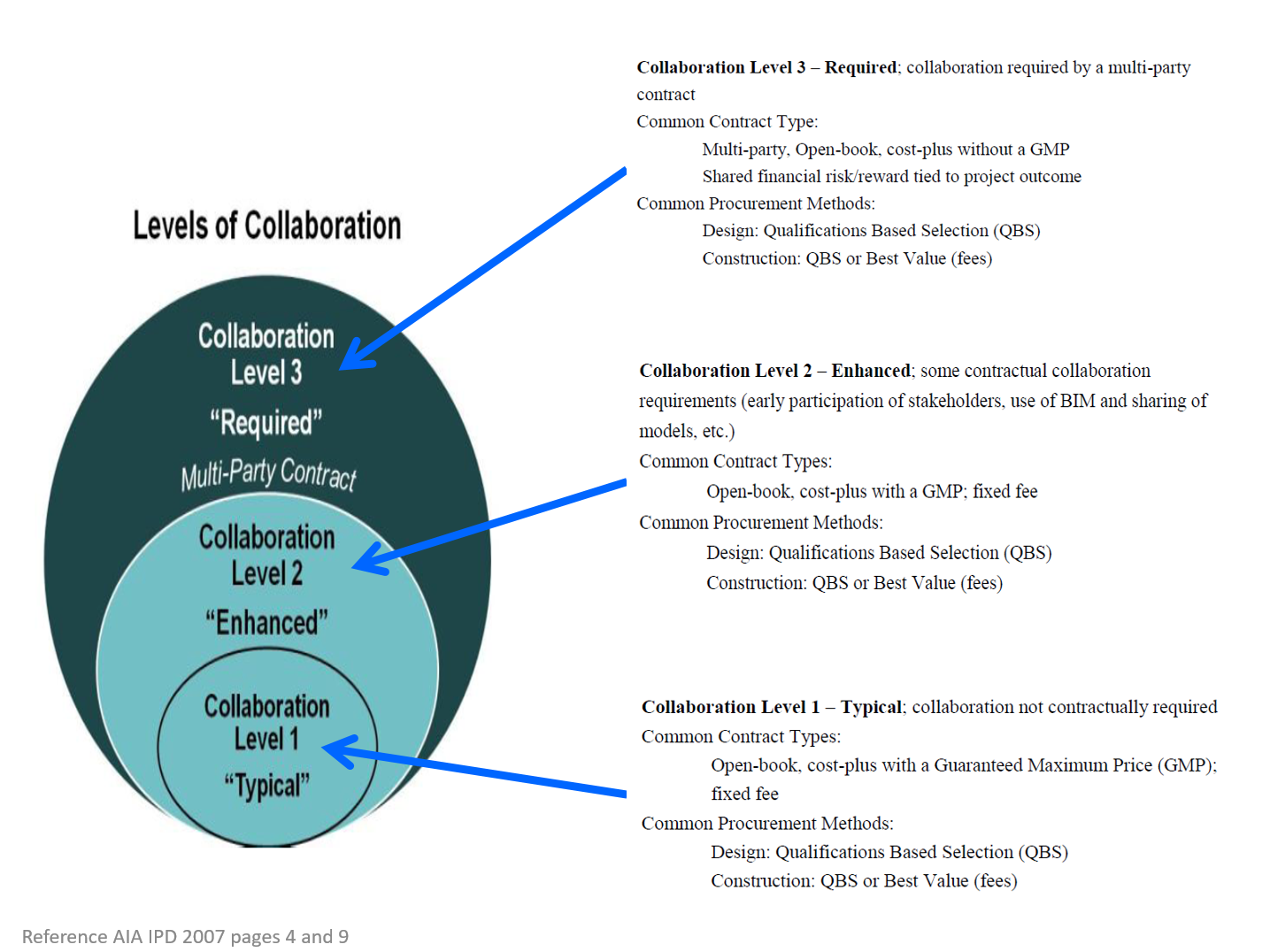
Figure 13 - Integrated Project Delivery Method Showing Contract Type
Source: AIA Integrated Project Delivery Approach (IPD) (2007)
For more on the Integrated Project Delivery approach, here is a paper published by the American Institute of Architects (AIA) which explains it in considerable detail. AIA Integrated Project Delivery- A Guide (2007)
This approach has been developed to support Building Information Modelling (BIM) so expect to be seeing more pilot projects being done using this method as both owners and most contractors are unhappy with the excessive change orders, claims and disputes, and are seeking viable alternatives.
This delivery method relies on the various Cost Plus type contract TYPES shown above as 4, Cost Plus Incentive Fee; 5, Cost Sharing; 6, Cost Reimbursable, and 7, Fixed Cost with Guaranteed Maximum or Guaranteed Not to Exceed.
The CONTRACTING METHODS are a combination of the “best tested and proven” features other 6 methods shown above, adapted so that the risks are allocated according to whichever party(s) is/are best positioned to manage those risks.
05.3.4 OUTPUTS
- Contracting Method Determined Appropriate To The Scope Defined
- Contract Type Chosen
05.3.5 REFERENCES & TEMPLATES
- US Government Federal Acquisition Regulations (Far) https://Www.Acquisition.Gov/?Q=Browsefar
- Brooks Wood Group (2010) 7 Contracting Methods Illustrated http://www.brookwoodgroup.com/downloads/7projdelivery_2010(web).pdf
- Australasian Procurement And Construction Council Inc https://www.apcc.gov.au/publications
- International Federation Of Consulting Engineers (Fidic) http://Fidic.Org/Node/7089
- American Institute Of Architects (Aia) Contract Documents http://Www.Aia.Org/Contractdocs/Referencematerial/Aiab098216
- Engineers Joint Contract Documents Committee (Ejcdc) https://Www.Ejcdc.org/
- Consensusdocs https://Www.Consensusdocs.org/
- Construction Specifications Institute Manual Of Practice- http://Www.Amazon.Com/The-Project-Resource-Manual-Practice/Dp/0071370048
05.4 - Module 05-4 - Tendering & Bidding The Project
05.5 - Module 05-5 - Managing the Contract (Owner & Contractor)
05.6 - Module 05-6 - Closing the Contract (Owner & Contractor)
GPCCAR M05-3, Revision 1.01