06.0 - MANAGING RESOURCE ACQUISITION / ALLOCATION
06.1 - Module 06-1 - Introduction to Managing Resource Acquisition / Allocation
06.2 - Module 06-2 - Develop the Resource Policies & Procedures Manual
06.3 - MODULE 06-3 - ACQUIRING MANPOWER FOR THE PROJECT
06.3.1 - INTRODUCTION
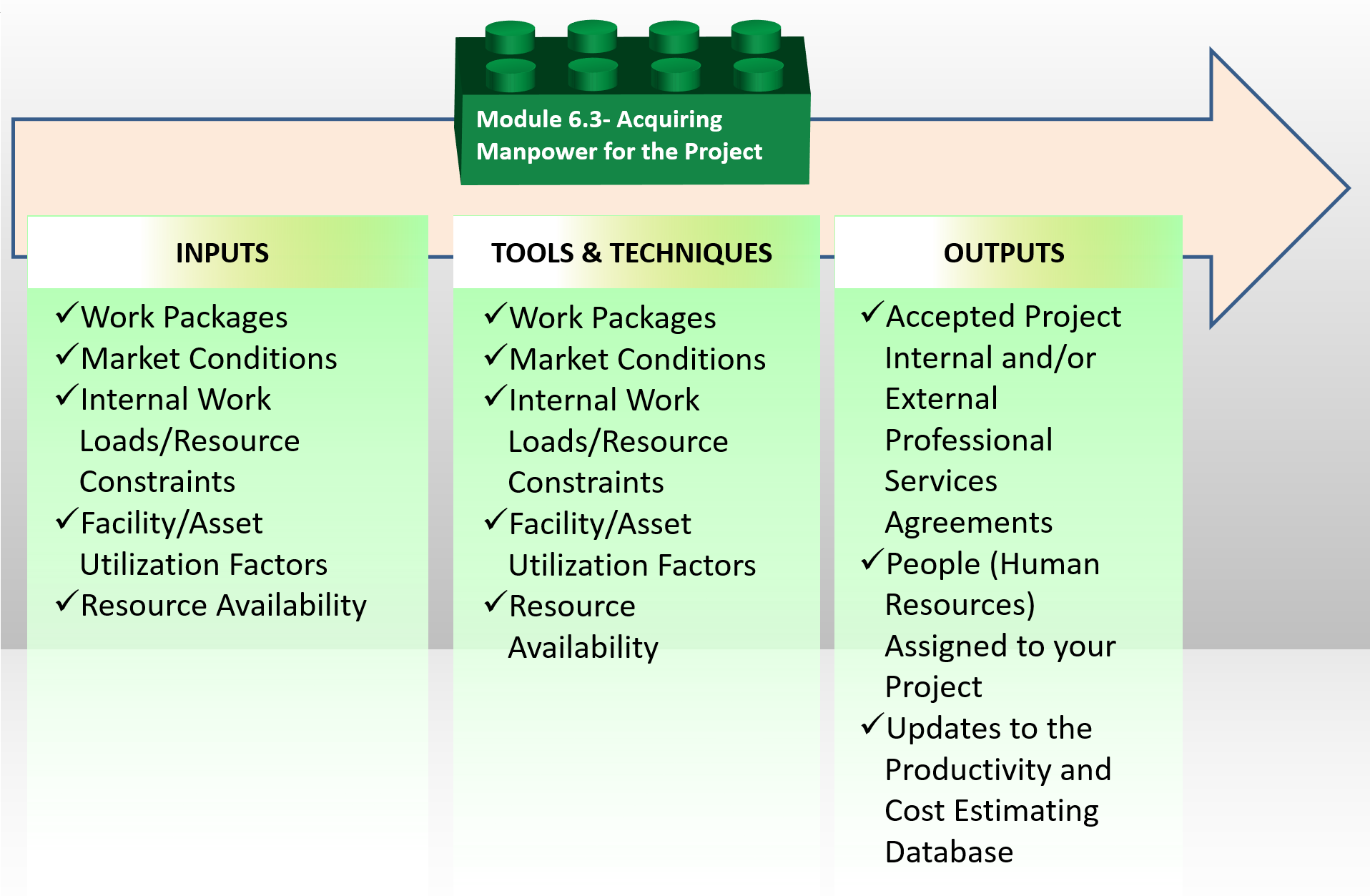
Figure 1 - Process Map for Acquiring Manpower for the Project
Source: Guild of Project Controls
Acquiring manpower for a project can be a daunting task, especially for an owner’s project manager and invariably, owner’s project management teams are often understaffed and/or are staffed with what amounts to part timers- functional staff who are only assigned part time to one or more projects. This guide cannot tell you how to fix this problem but it will provide you with additional resources and some ideas to consider, including the drafting of “internal professional services agreements” between functional managers and project managers. These are commonly used by internal IT departments and are made INTERNALLY between the IT department and other functional departments in which the IT department explains what services it can and will provide along with the terms and conditions and any instructions.
This concept is readily adaptable to other functional departments in particular between project managers and the functional managers who have to provide technical support. (i.e. Engineering, Accounting/Finance, HR etc)
- BH Consulting (2006) Developing an Internal Services Level Agreement http://www.bhconsulting.ie/Developing%20an%20Internal%20SLA.pdf
- Treasury Board of Canada (2012) Guideline on Service Agreements: Essential Elements http://www.tbs-sct.gc.ca/pol/doc-eng.aspx?id=25761
- Rouse, Margaret (n.d) Service Level Agreements- http://searchitchannel.techtarget.com/definition/service-level-agreement
Another manpower strategy employed by many owners, particularly those in the oil, gas and mining sector is to hire what is known as a “Resident Contractor”. In this case, the contractor provides a standing pool of manpower, often in the hundred or even thousands, with no specific work assignments or projects to work on. This is also known as “Job Order Contracting” or “Indefinite Time/Indefinite Quantity” contracts. (See Module 5- Managing Contracts for more on Job Order Contracting) When a project has been identified, the owner simply writes up a work order describing the scope of work and other details such as the priority or urgency and a time frame within which the work must be done.
Using this form of contract, the contractor bids firm fixed unit prices for work commonly required by an owner and the owner is then responsible to provide contractor with a work order stating what manpower is needed, when and wherever the owner needs them. In this model, the owner normally provides both materials and equipment.
As noted above, the Owner’s project manager/project control team needs to take the contractor’s schedule which ideally should have been submitted prior to issuing the Notice to Proceed and ADD to it their own resources, including the owner’s project manager, project control team and other owners project support staff, such as QA/QC, Safety, Health and Environmental inspectors etc.
For contractor’s acquiring labour, equipment and material resources is a core competency that they have to develop if they want to be able to stay in business for any length of time. Most contractors have developed long term relationships with material and equipment vendors and even when moving into a new area or country, one of the first things a contractor does is determine what materials and equipment are available locally, even before bidding on a project.
In terms of labour, for unionized contractor’s acquiring labour is fairly straight forward as they sign labour agreements with one or more trade unions and then “call the hall” when they need more trades labour.
For non-union or “open shop” contractors successful contractors maintain a database of names as well as an extensive network of tradesmen upon whom they can call whenever there is work.
Another common strategy being used by many general contractors is to sub out as much work as possible doing as little as possible and in many cases NOTHING with their own staff, other than providing project and construction project management and financing.
Regardless of whether the contractor is unionized or open shop, they do tend to keep a small core of superintendents and foreman on the payroll but as construction work tends to follow a boom and bust or “Feast or Famine” live cycle, all except the very largest of contractors tend to keep their core team relatively small.
This module has relevance for all project control practitioners, be they planners/schedulers, cost estimators or forensic claims analysts. For our planners/schedulers, resource availability, working calendars and productivity all need to be considered when calculating durations and risk contingency and buffers. For our cost estimators, the hourly costs, labour laws and requirements as well as productivity all have to be factored into the hourly cost of the Labour, and for our forensic analysts, you need to know whether Labour is direct, indirect or project overhead or home office overhead as some of these can be included in a claim while others cannot. You also need to be aware of Labour laws and practices which may legitimately impact progress negatively and needs to be documented and validated.
06.3.2 - INPUTS
- WORK PACKAGES
- MARKET CONDITIONS
- INTERNAL WORK LOADS/RESOURCE CONSTRAINTS
- FACILITY/ASSET UTILIZATION FACTORS
- RESOURCE AVAILABILITY
06.3.3 - TOOLS & TECHNIQUES
06.3.3.01 - Calculating Labour Productivity
Productivity is defined to be the “Rate of output per worker (or a group of workers) per unit of time or some other unit of measure, as compared with an established standard or expected rate of output.”
There are several ways project controllers can use the productivity formula:
- Outputs/Unit of Time = Productivity per unit of time (i.e. a crew of carpet installers installed 10 square meters of carpet in 19.2 hours. 10/19.2 = 0.52 square meters per crew hour
- Or we can convert it into units per some other unit of measure, say square meters. (i.e. it takes a carpet crew 19.2 hours to lay 10 square meters of carpet. 19.2 crew hours/10 square meters = 1.92 man hours per square meter
- Or we can use the same formula and use it to calculate costs. Total Installed costs = $4,616.80 to install 10 square meters of carpet. $4,616.80/10 = $461.68 per square meter or = $4,616.80/19.2 crew hours = $240.46 per hour
The “established standards” can either be internal historic records or can come from commercially published cost and productivity databases such as:
- RS Means- http://www.rsmeans.com/
- SPONS- https://www.routledge.com/sponpress
- Richardsons- http://www.costdataonline.com/
- Compass International- http://www.compassinternational.net/
For the purposes of this document, RS Means has granted the Guild of Project Control’s permission to use their cost estimating and productivity databases as examples, however most cost estimating and productivity databases are structured much the same way.
06.3.3.01.1 - Factors Impacting Labour Productivity
There are many factors which can impact labour productivity some of them under the control of the owner’s organization while others are under the control of the contractors organization, while others are under no one’s control- i.e. weather.
Based on a review of credible, peer reviewed, published literature, while there is general agreement as to what the factors are, the ranking of those factors vary from country to country. For the purposes of preparing for the GPC exams, the latest credible, peer reviewed publication comes to us from the World Academy of Science, Engineering and Technology International Journal of Civil, Environmental, Structural, Construction and Architectural Engineering Vol:8, No:10, 2014 “Labour Productivity in the Construction Industry -Factors Influencing the Spanish Construction Labour Productivity” by G. Robles, A. Stifi, José L. Ponz-Tienda, S. Gentes. - As this is the most recent publication, their research will be used as the basis for questions on the exam, therefore, we would encourage those aspiring to pass their chosen exam to apply Paretos’ “80-20 rule” and focus on the top 11. However, in your real life projects, you would be wise to use all 35 as inputs into your risk analysis as all of them can and do have the potential to impact productivity.
Because this topic is of such critical important to all project control practitioners - planner/schedulers, cost estimators and forensic analysis alike, supplemental references have been chosen to provide further insights both in preparing for your exams and in helping you in your day to day working environments.
The recommended supplemental readings on this topic are:
- Gundecha, Mahesh Madan (2012) “STUDY OF FACTORS AFFECTING LABOUR PRODUCTIVITY AT A BUILDING CONSTRUCTION PROJECT IN THE USA: WEB SURVEY” http://library.ndsu.edu/tools/dspace/load/?file=/repository/bitstream/h…
- Factors Affecting Construction Labour Productivity Managing Efficiency in Work Planning (n.d.) Intergraph- https://www.intergraph.com/assets/global/documents/SPC_LabourFactors_Wh…
- A. SOEKIMAN , K. S. PRIBADI , B.W. SOEMARDI , and R.D. WIRAHADIKUSUMAH (2012) FACTORS RELATING TO LABOUR PRODUCTIVITY AFFECTING THE PROJECT SCHEDULE PERFORMANCE IN INDONESIA http://www.ftsl.itb.ac.id/kk/manajemen_dan_rekayasa_konstruksi/wp-conte…
06.3.3.01.2 - Learning Curves
Knowing and understanding how learning curves impact durations is another “tool and technique” that planners / scheduler can utilise to produce more realistic and achievable schedules. It can be used for scheduling (durations) as well as for costs.
It is applicable whenever there is a single activity or series of activities (“fragnets”) which repeat on a project. Examples of this are repetitive floor layouts in a hotel or high rise office building, installing pipelines, hanging doors, installing electrical lighting or any other activity or series of activities which repeat.
What learning curves help us do, is knowing how long the first activities are scheduled to take, we can then apply a sound mathematical formula to justify what the subsequent durations are likely to be.
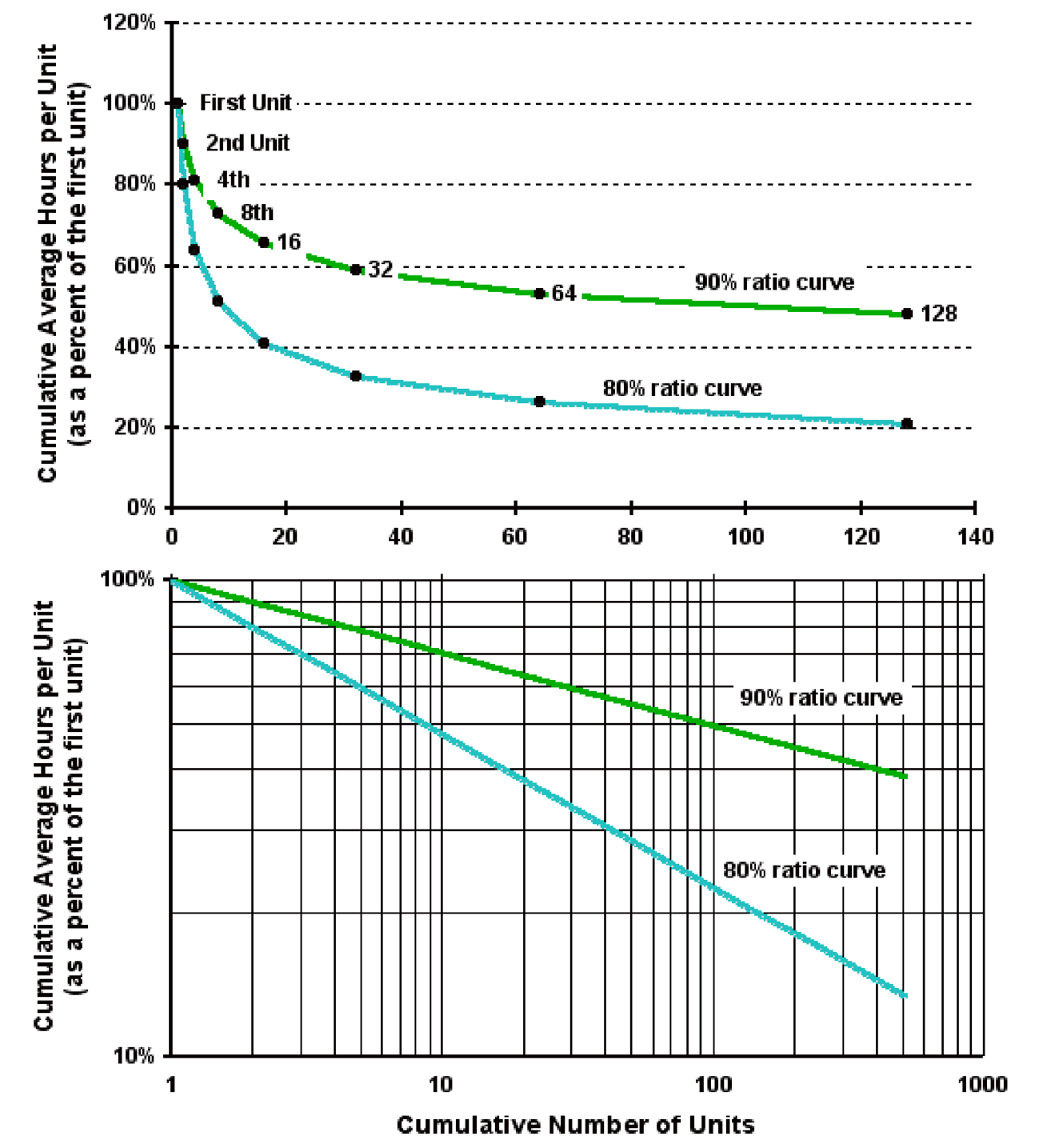
Figure 2 - Learning Curves
Source: Wideman, Max (n.d.) Learning Curve Theory
Whilst many planners / schedulers introduce a slower production rate (say 40 or 50% productivity) for the initial periods or instances for any repetitive operations, a more sound, professionally justifiable approach can also be adopted and applied to the initial periods or instances of the repetitive operations.
The theory behind this is that a learning curve is geometric distribution with the general form “Y = aXb” where:
- Y = cumulative average time per unit or batch.
- a = time taken to produce initial quantity.
- X = the cumulative units of production or, if in batches, the cumulative number of batches.
- b = the learning index or coefficient, which is calculated as: log learning curve percentage ÷ log 2. So b for an 80 per cent curve would be log 0.8 ÷ log 2 = – 0.322.
As we can see from Figure 2 above, we can plot the curve easily using Excel or we can plot it manually using log log paper to generate a straight line. Explained very simply:
- The first time we execute the activity takes us so many minutes, hours or days.
- The second time we execute the activity, it only takes us between 80% to 90% of the time it took us to do it the first time.
- The 4th time we do the activity, it only takes us between 80% to 90% of the time it took us to execute the activity the 2nd time and so on.
- Each time we double the number of times we execute the activity, the time it takes (the number of time periods required) is reduced anywhere between 10% (90% Learning Curve) to 20%. (80% Learning Curve)
As noted, there are two approaches, using units of production or batches and even though the formula is identical. The planner / scheduler can experiment to see which method yields the most accurate results for any specific application.
As this tool & technique is applicable to both time and cost, it is an important one for all project control professionals to master, here are recommended supplemental references:
- BHATTI, AHMAD TARIQ (2012) HTTP://WWW.SLIDESHARE.NET/ATBHATTI/LEARNING-CURVE-15317153
- BROOKFIELD, BILL (2005) MANAGEMENT ACCOUNTING – DECISION MANAGEMENT HTTP://WWW.CIMAGLOBAL.COM/DOCUMENTS/IMPORTEDDOCUMENTS/FM_APRIL_05_P44-47.PDF
- MIRSAU, ALLEN (2014) HTTPS://WWW.YOUTUBE.COM/WATCH?V=QALPY5INOWW
06.3.3.02 - Types of Labour
It is generally agreed that there are three types or category of Labour we find on projects. Those are:
(1) Direct Labour - These are the people who actually do the work to create whatever product the project was undertaken to create. For construction, it would include the carpenters, masons and all other tradespeople. For an IT project it would include the programmers.
(2) Indirect or Project Support Labour - These are people who do not directly produce anything tangible for the project but provide support, supervision or assistance to those who do. Project Manager, the project team including the project control team members, QA/QC, safety, health and environmental inspectors all are examples of Project Indirect or Project Support Labour.
(3) Home Office Overhead Labour - These are the people back in the home office who provide services to ALL the projects in an organizations portfolio, not just the one you are on. This includes the estimating department, payroll, finance and the home office secretaries and clerks. This topic will be covered in more detail in Module 8 - Managing Cost Estimating and Budgeting but for now for both owner and contractor alike this is normally carried as a percentage of the gross revenue of the organization and does not require those in the home office to charge their time specifically to one project or another.
While planners/schedulers are mostly concerned with Direct and Indirect Labour as those types of resources are loaded on each activity, the cost estimator needs to also know home office overheads as these have to be added to the cost of each activity usually as a percentage rather than being listed as an actual resource.
06.3.3.03 - Span of Control
Span of control is another concept which project control practitioners need to grasp in the context of what it means in their own teams as well as for the project and organization in general. The original researcher on this topic was Vytautas Andrius Graciunus back in the early 1900’s. V. A. Graciunus (1898-1952) was a Lithuanian French management consultant, management theorist and engineer. In 1933, he published a paper called "Relationship in Organization. In this paper, he mentioned three types of Superior-Subordinate relationships, viz.,
(1) Direct Single Relationships,
(2) Direct Group Relationships, and
(3) Cross Relationships
According to V.A. Graciunus, as the number of subordinates increases arithmetically (like 1, 2, 3, 4, 5, 6, etc.) the number of relationships which the superior has to control also increases geometrically (like 1, 6, 18, 44, 100, 244, etc.). Therefore, a superior can only control a limited number of subordinates, and anything beyond this limit is very hard to control. For the purposes of the GPC Certification Exams, you need to know the formula for the maximum case where subordinates are responsible for INTERDEPENDENT work, which is normally the case in project management. This formula calculates the number of communications channels and as you can see it is an exponential value- the more team members, the more complex the communications channels become. This formula is n(n-1) = number of cross relationships or communications channels. But there are other formulas and while you are unlikely to be tested on them, as a professional practitioner, you should at least be aware of them and how to use them.
What Graciunus proposed was that “nearer the top of an organization you are, you should be dealing with teams of three people while towards the bottom of the organization, teams of 6 seemed to be ideal”. In other words, the ideal project control team should consist of between 3 to 6 people.
As it is highly likely that you will see a question on this topic on your GPC Certifications, you would be well served to review the three references to gain a full understanding not only of the formulas and how to use them, but also knowing and understand why they are important and how to use them in your role as a project control professional.
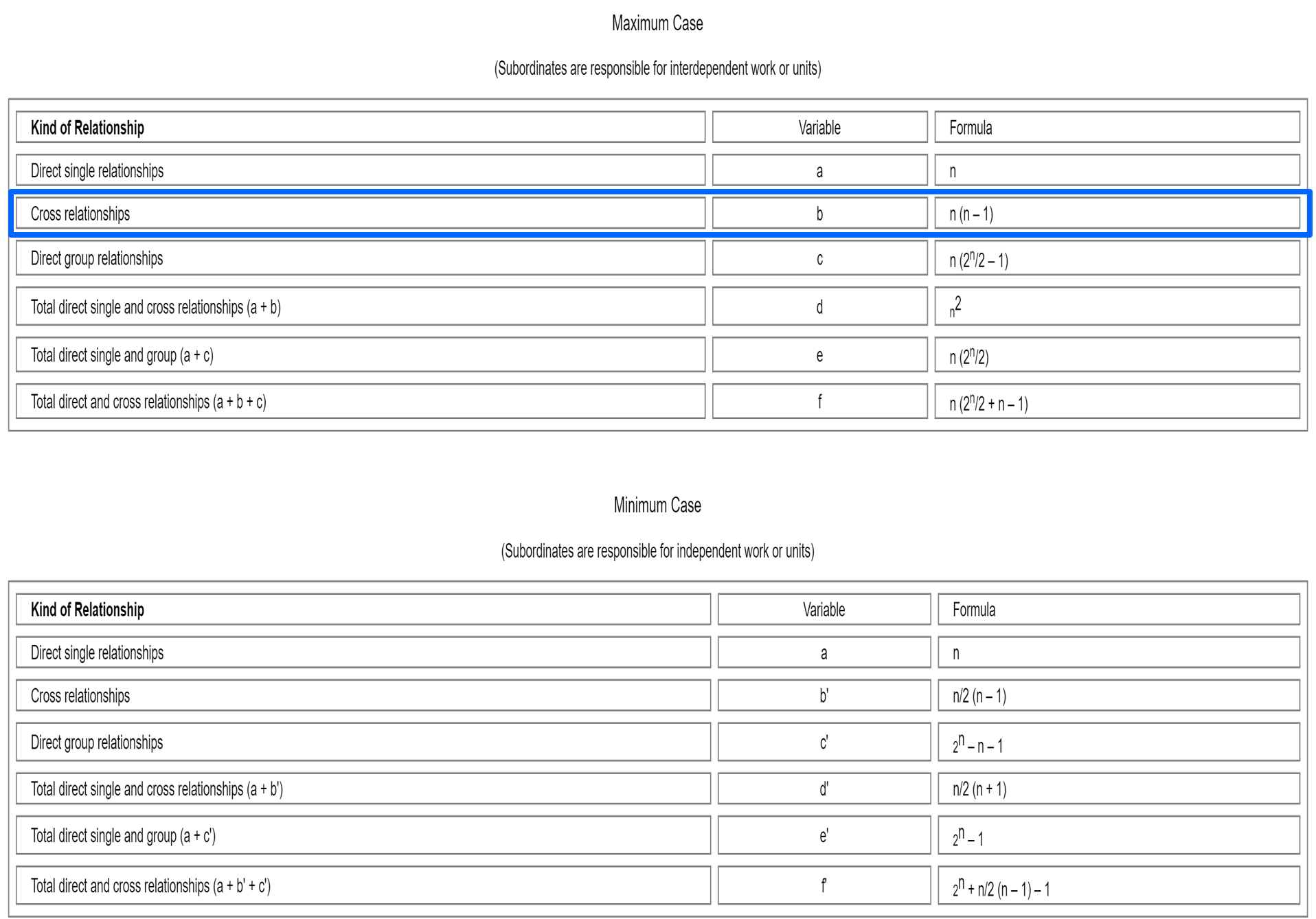
Figure 3 - Graciunus Set of Formulas
Source: Nichols, Fred (2012) The Formulas of V A Gracunas
Another widely referenced researcher on this topic is George A Millers “Magical Number 7, Plus or Minus 2” The Magical Number Seven, Plus or Minus Two: Some Limits on Our Capacity for Processing Information, which was originally published in The Psychological Review, 1956, vol. 63, pp. 81-97
As the name of his research indicates, Miller made a compelling argument that because of human limitations on how much information we can process and what our realistic ability to focus (“multi-task”) that he recommends the optimum team size being between 5 and 9. (Magical Number 7, +/-2)
Experienced practitioners would need to be able to provide an argument supporting or refuting the research above in the context of your organization and experiences.
- Akrani, Gaurav (2011) http://kalyan-city.blogspot.com/2011/08/graicunas-theory-of-span-of-control.html
- Nickols, Fred (2012) http://www.nickols.us/graicunas.htm
- Gupta, Ashim (2010) http://practical-management.com/Organization-Development/Organization-s-size-and-span-of-control.html
06.3.3.04 - Matrix Management / Serving Two Masters
Despite historical teaching suggestesting that we cannot serve two masters at the same time, why is it so many companies are using matrix management? This same argument has been put forward by two of the leaders in modern project and program management. Henry Fayol, and Clarence “Kelly” Johnson.
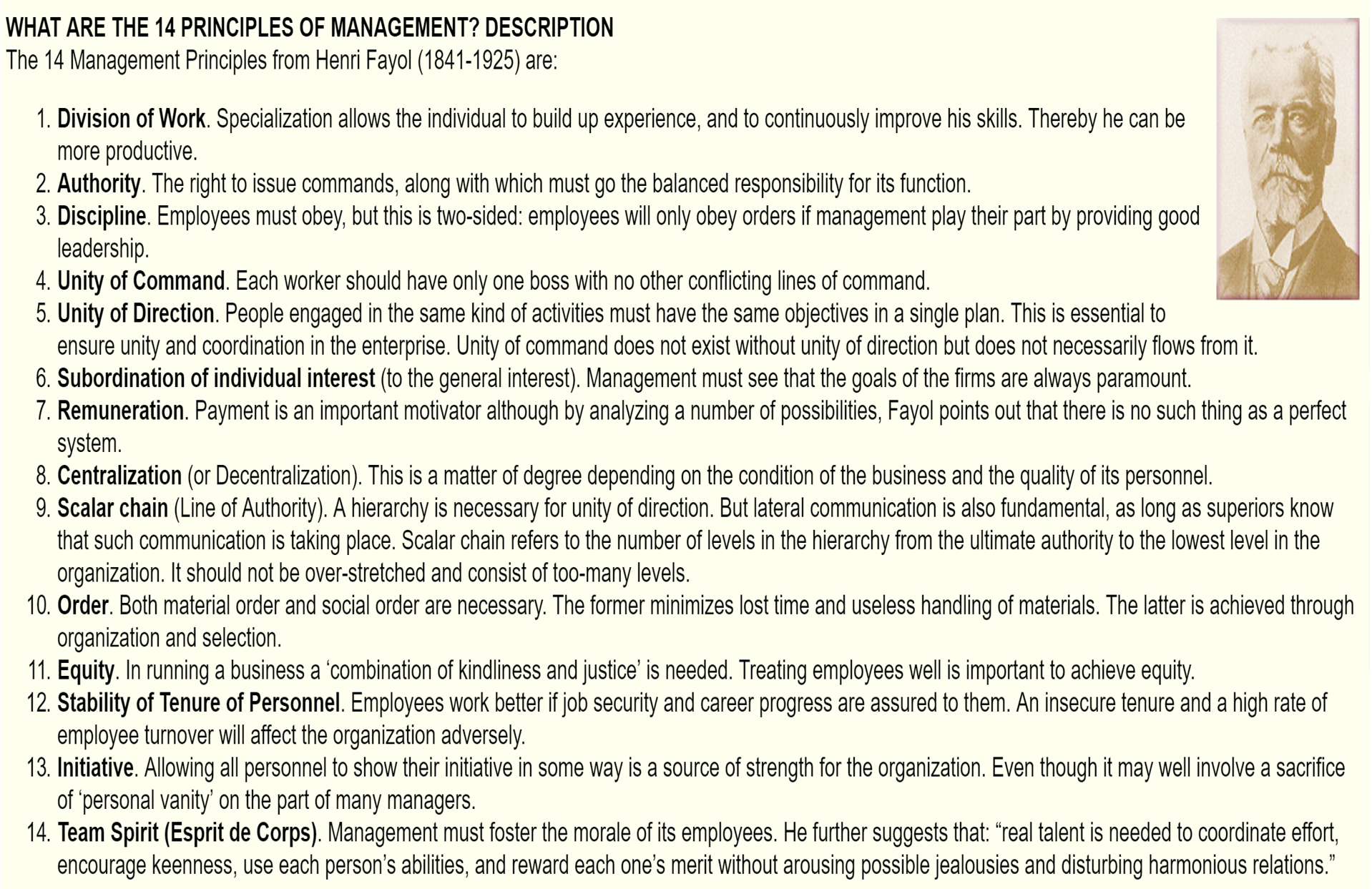
Figure 4 - Fayol’s 14 Principals of Management
Source: Fayol's 14 Principles of Management (n.d.)
Henry Fayol was a French mining engineer who many people consider to be the “father of modern project management”. He was the first to formally propose the concept of Work Breakdown Structure and Work Packages as well as one of the early advocates of “pay for performance” which forms the basis of Earned Value management.
Another more recent role model for project and program managers is Clarence “Kelly” Johnson who is known for his work in developing the first plane to fly faster than the speed of sound.
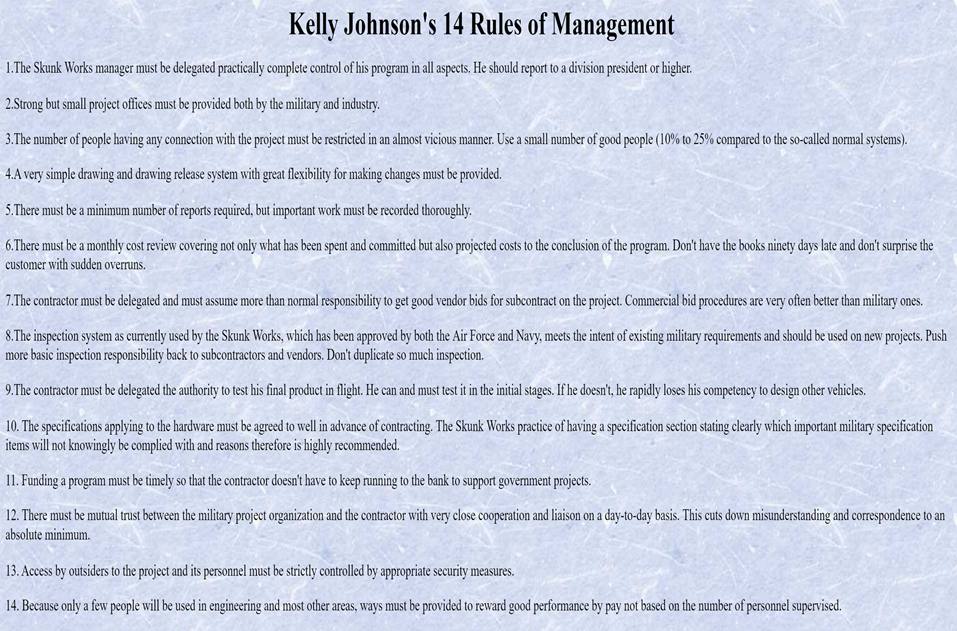
Figure 5 - Kelly Johnson’s 14 Rules of Management
Source: Kelly Johnson’s 14 Rules of Management (n.d.)
Junior level practitioners need to know and understand what Fayol and Johnson were advocating- what they agreed on and where they disagreed or were silent on. The more advanced practitioner should be able to compare what these two role models advocated vs what your organization is doing and make suggested improvements or changes or explain why today’s working world is different and which of these attributes no longer apply.
06.3.3.05 - Labour Restrictions
As we move into a global marketplace, more and more we are starting to see standardization in Labour practices. The leading reference for this comes to us from the International Labour Organization (ILO) which has published some 190 conventions as the basis for Labour “best practices”.
From the 190 Conventions in total, there are 8 fundamental Conventions, binding on every member regardless of ratification, and a further 71 Conventions that are up to date and in force. The subjects covered by the Conventions cover 5 major areas:
(1) First and in the most numerous group, individual rights at work, mainly on safety, wage standards, working time, or social security, and the rights to not be forced to work or work during childhood.
(2) Second are collective labour rights to participation in the workplace, particularly to join a trade union, collectively bargain and take strike action, as well as direct representation within the management of organizations.
(3) Third, there are a series of rights to equal treatment, that are referential to the terms and conditions of people in comparable situations, with special protections for indigenous communities and migrants.
(4) Fourth, a set of Conventions promote job security, through standards for dismissals, protection upon an employer's insolvency, regulation of employment agencies and requirements upon member states to promote full and fulfilling employment.
(5) Fifth, there are 6 Conventions which require administrative apparatus by governments to enforce and promote labour standards, such as through inspections, collecting statistics, developing training and consulting with unions and employers before passing legislation. Seafarers are the subject of 12 specific Conventions because of the frequently international nature of their work, and a further 6 Conventions relate to conditions in the fishing, plantation, hotels, nursing, home and domestic work, where employees may be particularly vulnerable.
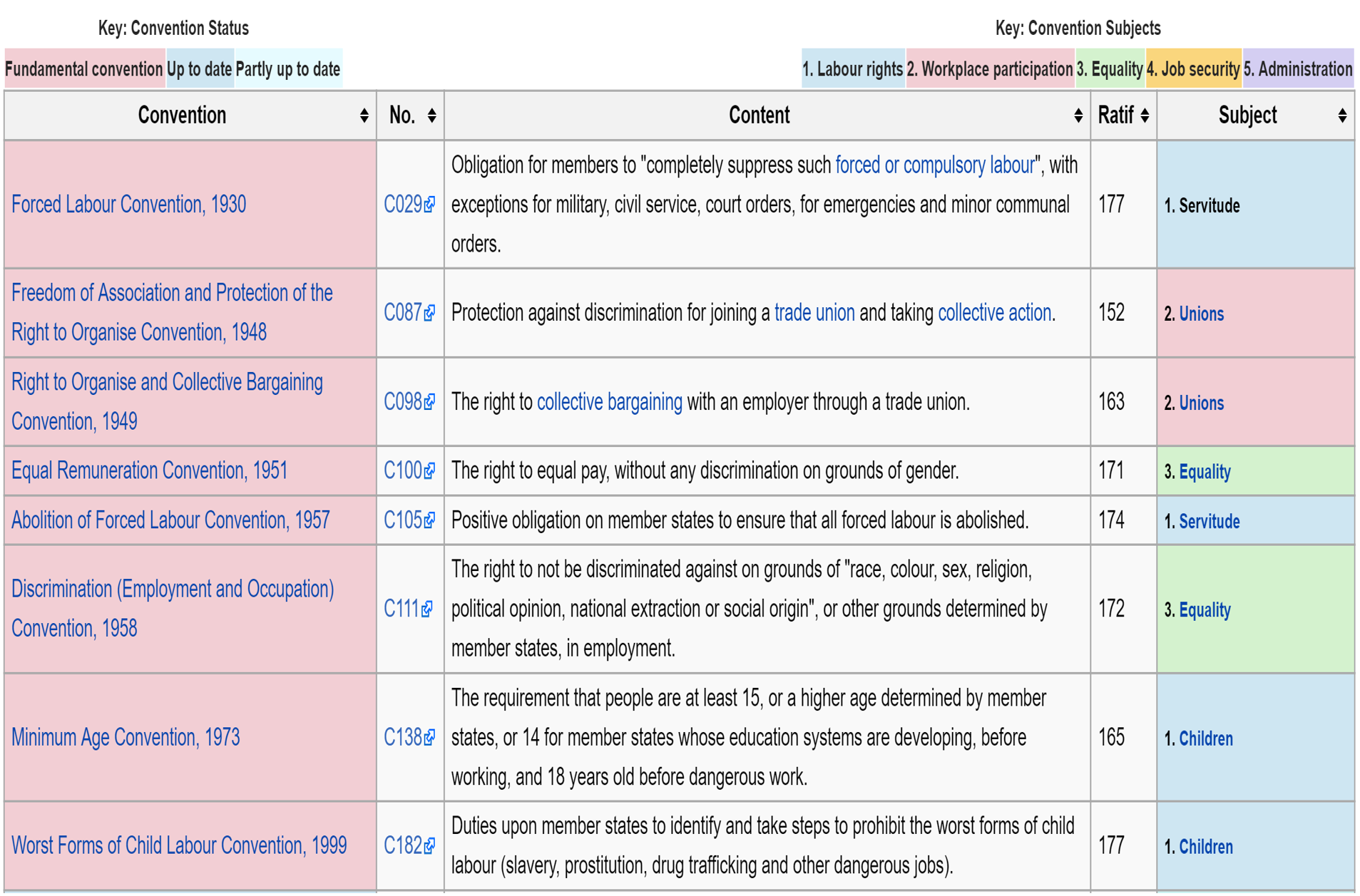
Figure 6 - International Labour Organization
Source: International Labour Organisation (n.d.) Conventions
While both owner and contractor project control professionals should be aware of all these conventions, there are some which directly impact our schedules and cost estimates.
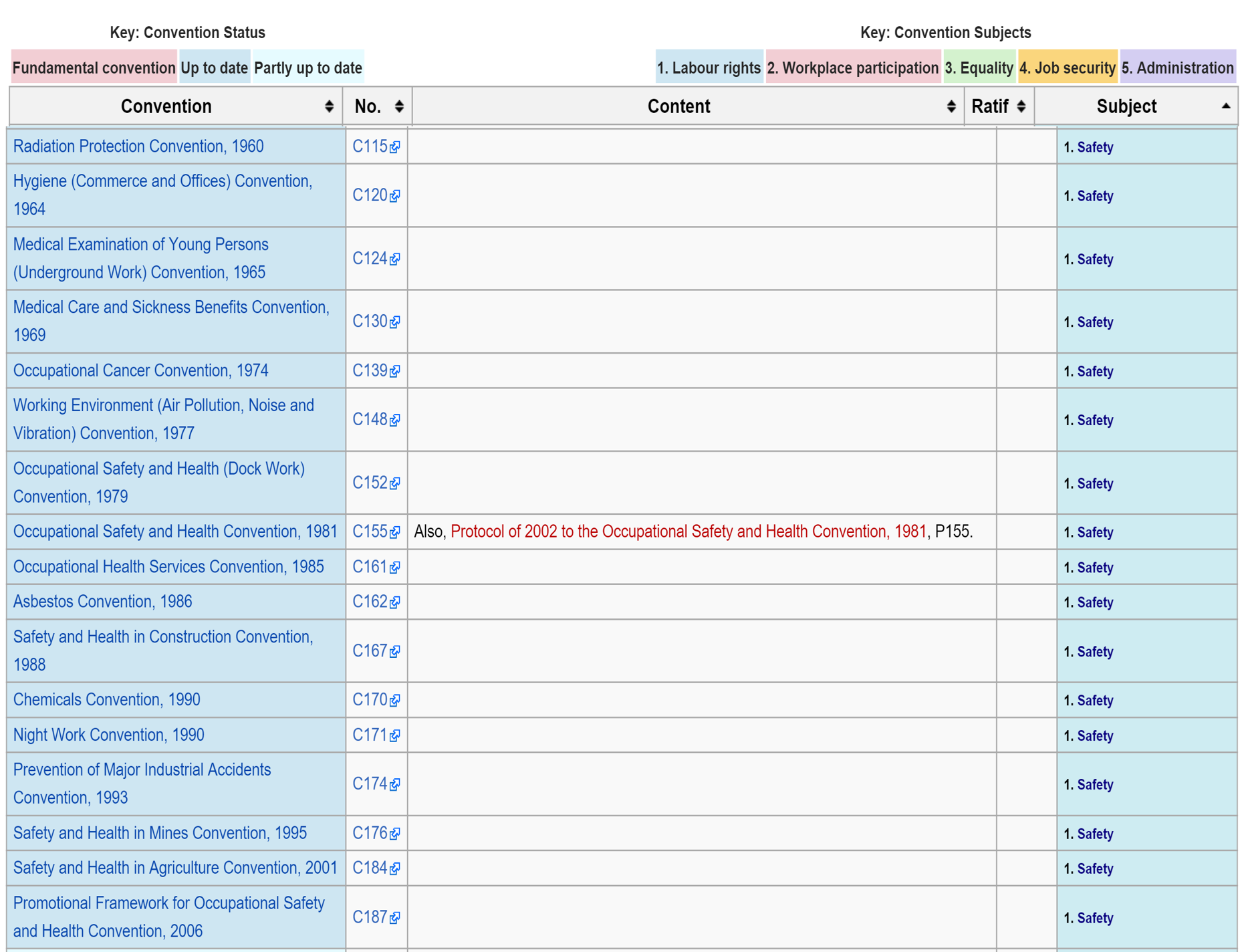
Figure 7 - International Labour Organization’s Safety Requirements (May Impact Schedule Development)
Source: International Labour Organisation (n.d.) Conventions
In Figure 7 above, the ILO’s Labour guidelines for SAFETY may have an impact on schedules as it may impact not only the durations but may require additional activities, such as training or even certifications before the workers can perform certain activities. As an example for those working on offshore oil and gas platforms, “Helicopter Ditch Training” is a requirement. This type of training typically takes one or two days and costs $400 to $500 per person.
For our Cost Estimators/Cost Managers, the ILO also has published model rules and regulations pertaining to wages, working time and other working conditions which may not only impact costs but schedule as well.
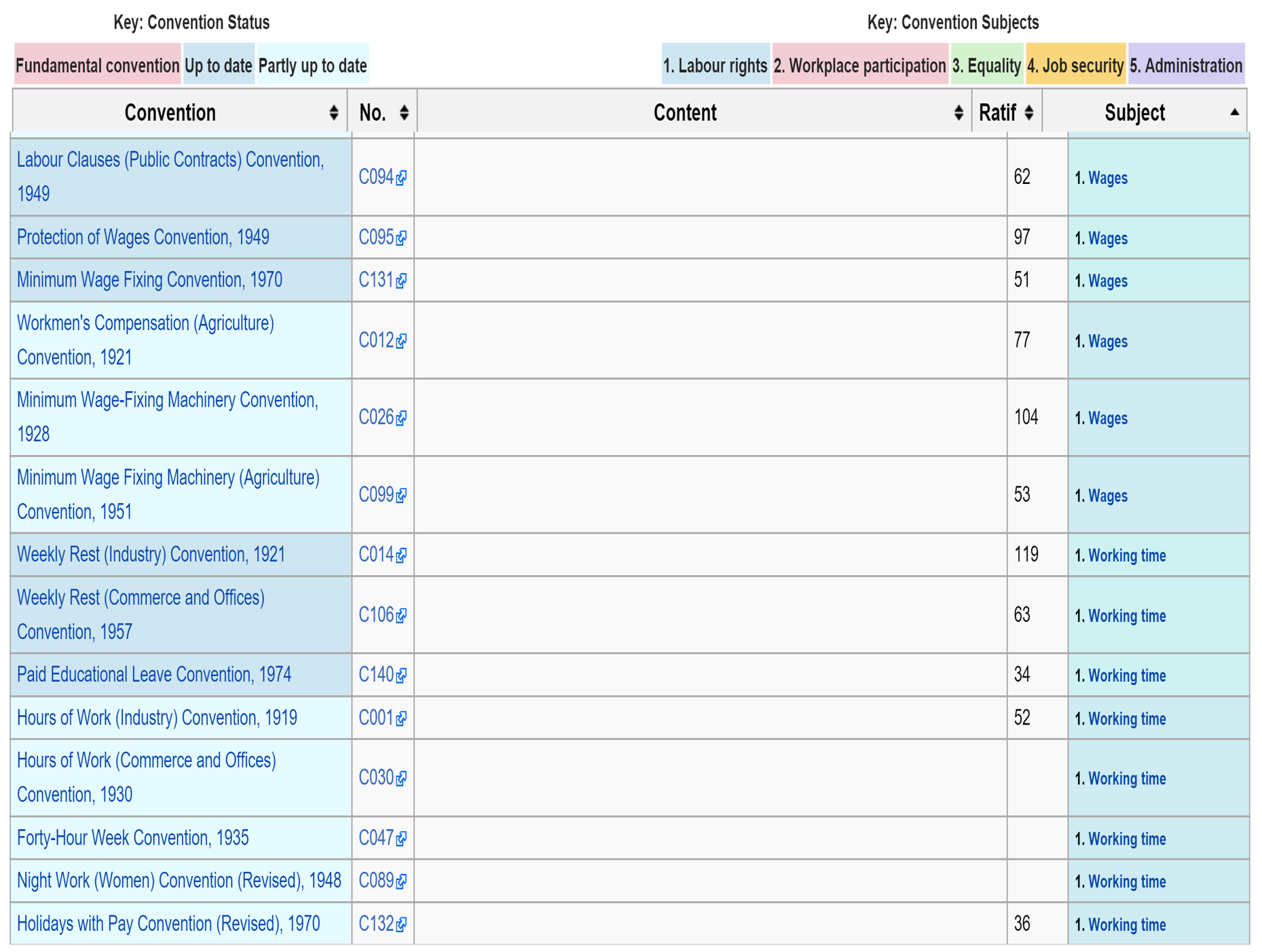
Figure 8 - International Labour Organization’s Wages/Working Time Requirements (May Impact Schedule or Cost Development)
Source: International Labour Organisation (n.d.) Conventions
As professional practitioners, it is our responsibility to be aware of these conventions along with local interpretations of them and be able to apply sound professional judgement in any given circumstance to be aware of which ones may apply and what we, as project control professionals have an obligation to do about it, both in terms of creating the CPM schedule as well as calculating the cost estimate and budgets.
06.3.3.06 - Hours Worked per Day / Week
Especially for those owners and contractors working in different countries, the labour laws are not the same and while there is nothing wrong with exceeding the requirements, you may be subject to significant fines or even jail time if you break these local laws. For example, in the Middle East, you cannot work your field people if the temperature exceeds 42 degrees Celsius. Which means you need to change your work calendars during the hot months and / or schedule in two shifts per day rather than three.
Another often forgotten impact to productivity which has consequences to both time and costs is the number of hours per day and days per week being scheduled for work.
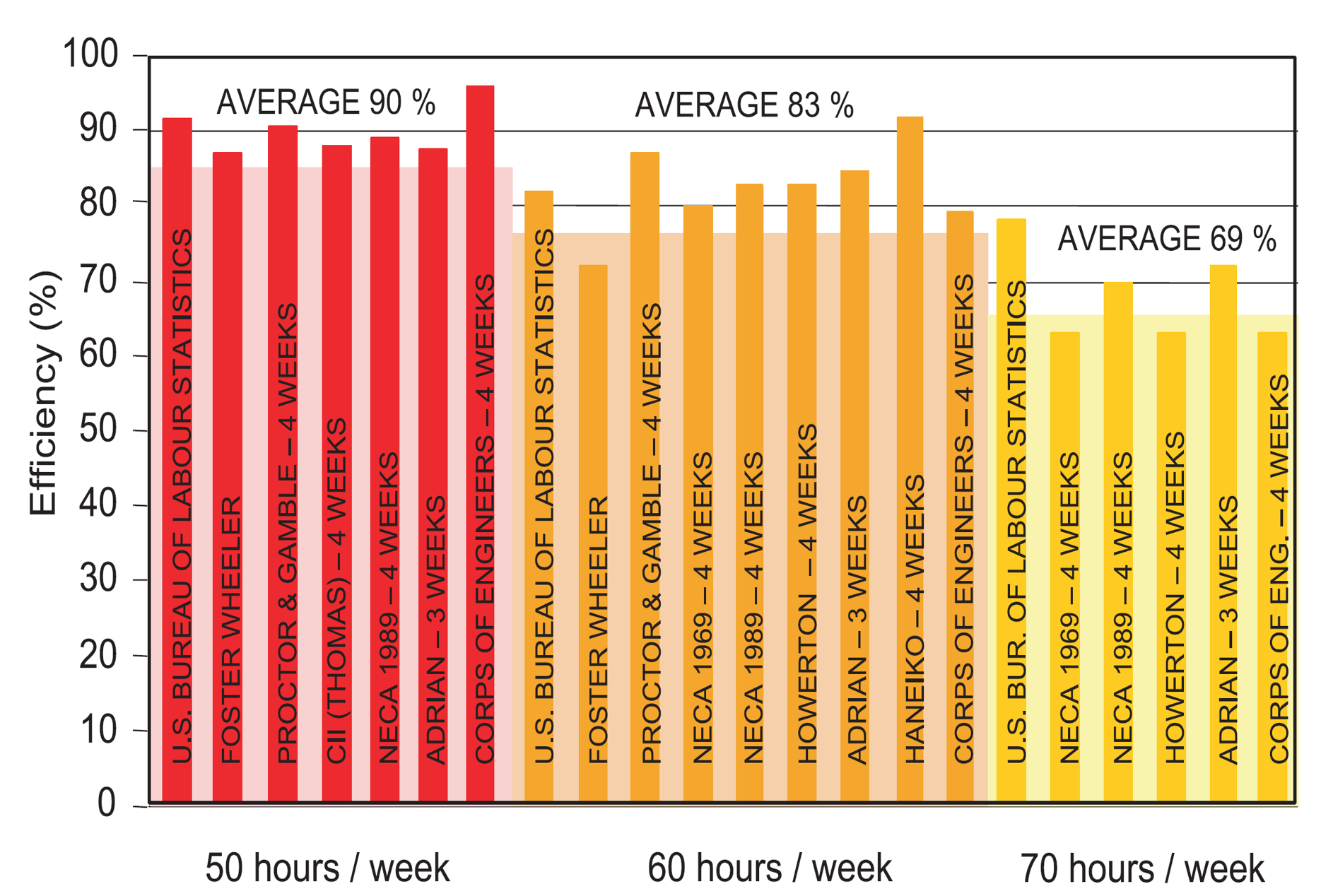
Figure 9 - Hours Worked and Efficiency
Source: Revay & Associates(n.d.) The Revay Report
Probably the most complete and comprehensive analysis of the impact overtime has on the project productivity comes to us from the November, 2001 issue of The Revay Report “Calculating Loss of Productivity Due to Overtime Using Published Charts – Fact or Fiction” by Regula Brunies, FPMI, CCC, CQS and Zey Emir, P.Eng, MBA Revay and Associates Limited.
Their research concludes that going from a 40 hour work week to a 50 hour workweek we lose on average 10% productivity; going to a 60 hour workweek we drop 17% to only 83% from the base productivity and going to a 70 hour workweek, we lose 31% productivity, dropping down to only 69% of what we can expect working a standard 40 hour workweek.
However, as there will be questions on this in all the GPC certification exams, especially for those of you preparing for the Proficient or Expert levels, , you would be well served to download the paper, read it and understand what the limitations of this research show and how you can or should be using it as more advanced project control professionals.
For our forensic analysts especially, but also planners/schedulers and cost estimators, the Revay Report is an incredibly valuable and useful sharing of 30+ years of construction claims information from one of the world’s most highly respected boutique claims consultants, and the best part is a subscription is FREE. When we get to Module 12 - Managing Project Forensic Analysis, the Revay Report will be a highly cited reference.
06.3.3.07 - Local Hire Requirements / Minority Set Asides
“Local Hire” or “Local Content” laws or regulations which fall under the general heading of “affirmative actions” that are becoming increasingly prevalent in nearly all countries and even in some areas of the same country and in the case of the USA, even individual cities (i.e. San Francisco) have initiated local hire and/or local content laws. Often, the local hire or local content not only for Labour but for materials as well often falls anywhere between 10-50%. What this means is that for people, a minimum percentage of the work force must be residents within a given radius of the project. In terms of procurement of materials, again there are requirements that a certain percentage of the materials must be purchased locally.
This may have both schedule and cost impacts for even though the labour and/or materials must be procured through a local supplier or vendor, does not necessarily mean that they are available locally. Explained another way, the local supplier or vendor may have to procure the people or materials externally, just as the owner or contractor would have to do.
Another example of “affirmative action plans” are the various “minority set asides”. In addition to the local hire/local content, in many countries, some percentage of the monetary value of the contract is “allocated” to minorities- i.e. women, war veterans, blacks, Hispanics or local indigenous tribes.
Again it is important that the project control professional be aware of these laws or regulations as this impacts both cost estimates and schedules and it is incumbent on the project control practitioner to find out in advance of creating their schedules what these laws are and what impact it will have on their ability to source resources and what the cost of those resources will be.
06.3.3.08 - Safety, Health and the Environment (SH&E)
For a contractor, these requirements can be found in either the General Conditions (see Division 1 of CSI) or in the Supplemental Conditions. As these requirements can be both costly and time consuming, the competent planner scheduler needs to know where to find them in the contract documents. For owner’s project controllers, you need to review the contract documents before they go out for bid to ensure that what is being required meets the local safety, health and environmental laws and for both owner and contractor’s project controls team you need to ensure that your schedules include work packages that include SH&E requirements, understanding that these activities often are shown as “Level of Effort”. This topic will be covered in greater detail in Module 7 - Managing Planning and Scheduling.
An example of this is when working in a nuclear power plant, the preparation to go into the containment facility to do the work on the reactor core make take a crew an hour or more. Then the time the crew can spend actually working is determined by the readings on their dosimeter. And then when the work is done, it may take the entire crew another 30-45 minutes to decontaminate and get ready for the next activity. Thus this has an impact both on the activity duration as well as the activity costs.
06.3.3.09 - Unions vs Non-Union
Another risk event which can cause work stoppages and disputes is where there are union workers and non-union workers on the same job. Often, crew composition is determined by Union agreements (i.e. while normally labourers unload trucks on a project, only crews of Union carpenters can unload trucks containing doors or finished cabinetry and only Union electricians can unload electrical gear which is not boxed or crated).
Additionally for cost estimators, invariably Union labour is more expensive on an hourly basis which may or may not be offset with increased productivity, so that too will impact your cost estimates. While these rules can be and often are ridiculous at times, the prudent and savvy planner/scheduler and cost estimator understand the impacts and find out in advance if the workforce will be union or open shop (non-union) and build in appropriate buffers and contingency to cover possible work stoppages and increased costs or be willing to accept these risks should they occur.
- Meserli, Joe (2010) Are Labor Unions a Good Thing? http://www.balancedpolitics.org/unions.htm
- Rudison, Clair Jr. (2014) http://www.academia.edu/9728531/Compare_and_Contrast_the_Pros_and_Cons_…
- Moran, John (2011) PROS AND CONS OF USING PROJECT LABOR AGREEMENTS http://www.cga.ct.gov/2011/rpt/2011-R-0360.htm
06.3.3.10 - Contingent Workforce
Recent studies indicate that by 2020 up to 40% of the US Labour market will be comprised of what is known as “Contingent Workers”. Contingent workers are defined to be persons who do not expect their jobs to last or who reported that their jobs are temporary. They do not have an implicit or explicit contract for ongoing employment. Alternative employment arrangements include persons employed as independent contractors, on-call workers, temporary help agency workers, and workers provided by contract firms.
This already is evident in many owner organizations, especially in the oil and gas sector as well as telecommunications. In many of these companies, it is not unusual to see 20%-60% of the workforce being paid as “independent contractors”.
This has some very serious implications for those of us who practice as project controls professionals, as we are already seeing a trend towards owner organization’s outsourcing the project control functions to construction management firms. This provides some opportunities but for those working in owner organizations, it means you need to be able to make a sound business case for keeping project controls professional services in house vs. outsourcing them.
- US Bureau of Labor Statistics Contingent Work 1997 – 1999 http://www.bls.gov/opub/mlr/2001/03/art1full.pdf
- Deloitte (n.d.) Contingent Workforce http://www2.deloitte.com/content/dam/Deloitte/global/Documents/HumanCap…
- Dyer Christoper J (2013) Ardent Partners Fieldglass Report State of the Contingent Workforce http://resources.fieldglass.com/rs/fieldglass/images/FG_RPT_ArdentPartn…
06.3.3.11 - “Independent Contractor” status
In recent years, especially in the USA which is scratching for every tax dollar they can get, the IRS has been taking a less than positive view of employers hiring employees as “Independent Contractors” when in fact, they really are just employees at will. To prevent your project from unwittingly hiring what you believe to be “independent contractors” and then facing fines or other penalties when it turns out they are not, here are the US IRS guidelines:
Facts that provide evidence of the degree of control and independence fall into three categories:
(1) Behavioral: Does the company control or have the right to control what the worker does and how the worker does his or her job?
(2) Financial: Are the business aspects of the worker’s job controlled by the payer? (These include things like how worker is paid, whether expenses are reimbursed, who provides tools/supplies, etc.)
(3) Type of Relationship: Are there written contracts or employee type benefits (i.e. pension plan, insurance, vacation pay, etc.)? Will the relationship continue and is the work performed a key aspect of the business?
06.3.3.12 - Comparing Insource Labour vs Outsource Labour costs
Which brings us to the last point in this module which is how do we calculate the costs of replacing a permanent employee with a contract employee? Given the it is often difficult to calculate the true costs of a permanent employee, it becomes very difficult to make a financial comparison between keeping permanent employees and outsourcing the work to a contractor, knowing that as a contractor, not only will they be charging for all the same requirements that you are as an owner (i.e. health insurance, retirement benefits, training costs, workers compensation etc) but also a profit margin, how can you make a comparison? Then there is the question of productivity. Who is more productive? A permanent employee or a temporary employee?
While these attributes represent those items most likely to impact project control practitioners, the prudent project control professional is aware of all labour laws and practices in a country before planning the work (owners) or before bidding the work (contractors).
- Deloitte (2014) Global Outsourcing and Insourcing Survey http://www2.deloitte.com/content/dam/Deloitte/us/Documents/strategy/us-…
- Kosnik, T, Wong-Mingli, Diana J, Hoover, Kristine (n.d) Outsourcing vs insourcing in the human resource supply chain: a comparison of five generic models http://www.comlabgames.com/45-971/instructor/02_outsourcing/outsourcing…
- Kumari, Katabini (2013) Insourcing vs Outsourcing for your Organization http://www.academia.edu/4335241/OUTSOURCING_VS_INSOURCING_BEST_FOR_YOUR…
06.3.4 - OUTPUTS
- INTERNAL AND/OR EXTERNAL PROFESSIONAL SERVICES AGREEMENTS
- PEOPLE (HUMAN RESOURCES) ASSIGNED TO YOUR PROJECT
- UPDATES TO THE PRODUCTIVITY AND COST ESTIMATING DATABASES
06.3.5 - REFERENCES & TEMPLATES
- Colins, Ian (2013) Getting The Most Out Of Your Project Resources- Http://Www.Projectsmart.Co.Uk/Getting-The-Most-Out-Of-Your-Project-Resources.Php
06.4 - Module 06-4 - Acquiring Materials for the Project
06.5 - Module 06-5 - Acquiring Equipment for the Project
06.6 - Module 06-6 - Allocating Resources
GPCCAR M06-3 - Managing Resource Acquisition / Allocation, Revision 1.00