02.0 - MANAGING PEOPLE
02.1 - Module 02-1 - Introduction to Managing People
02.2 - Module 02-2 - Develop Project Controls Career Path Development Plan
02.3 - MODULE 02-3 - DEVELOP INDIVIDUAL COMPETENCIES
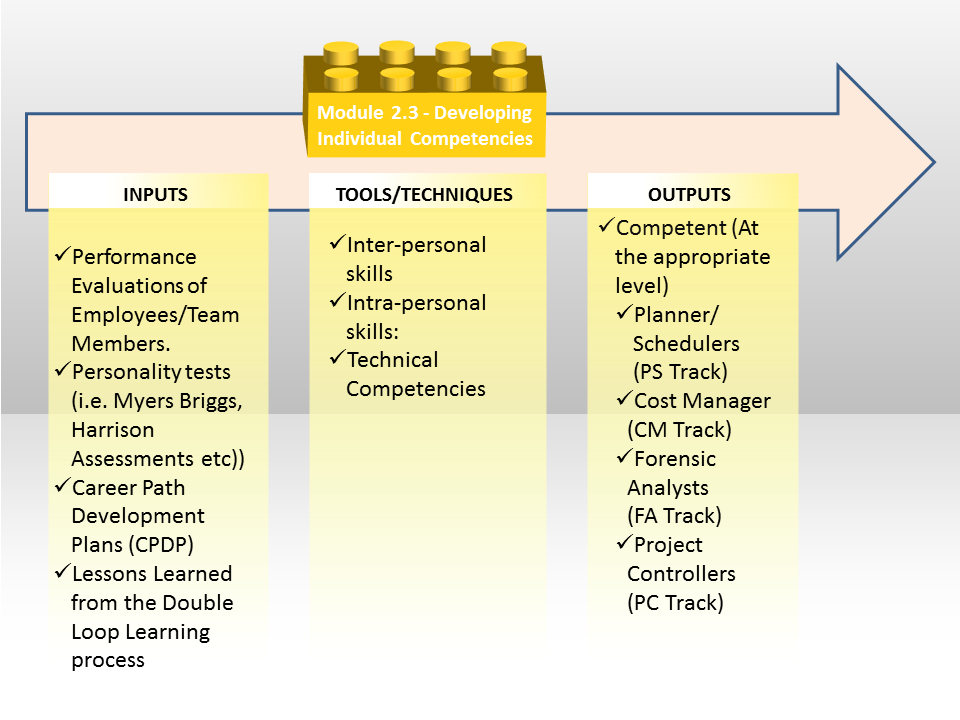
Figure 1 - The Developing Individual Competencies Process Map
Source: Guild of Project Controls
02.3.1 INTRODUCTION
In this module, the emphasis is on those “emotional intelligence” skills identified in the NACE research. These include such items as ability to work in a team, ability to communicate effectively, especially in writing, having a strong work ethic, interpersonal skills or the ability to get along with others, having a friendly out-going personality, creativity, tactfulness as well as the developing the entrepreneurial and risk taking skills. Refer Module 02-1 - Introduction to Managing People, Figure 3 - NACE Attributes Desired by Employers (2016)
This module includes the expectation that between becoming certified at the Professional Level and obtaining the Specialist Level credential that a practitioner will come to know and understand basic management philosophies as they apply to project management/project controls and will incorporate these theories as appropriate into their Career Path Development Plan and into their day to day work environment.
Personal career development Career development is the ongoing process of managing your life, learning and work. It involves developing the skills and knowledge that enable you to plan and make informed decisions about your education, training and career choices. Project controls professionals have a duty to actively manage their career through various professional development activities and to support the career development of people they supervise of manage
This Module focuses both on the technical as well as the “soft” or “people skills” necessary to be an effective project controls professional.
These soft skills include leadership, team building, conflict resolution, communications, motivating and facilitation skills in the context of being an individual member of a team. These skills will also be covered in the next module, but from the perspective of a manager rather than as a team member.
Research by the EBS Business School’s Strascheg Institute for Innovation and Entrepreneurship has identified two sets of competencies required in order to consistently achieve project success.
- INDIVIDUAL competencies and;
- ORGANIZATIONAL competencies.
For the purposes of the GPC BoK, “project success” is defined to be on time, within budget, in substantial conformance to the technical requirements while substantially fulfilling or meeting the business objectives for which the project was undertaken in the first place.”
Lacking the supporting infrastructure, the most highly qualified, competent project manager in the world cannot perform to his/her fullest capability; Likewise, if the organization has developed policies and procedures which SUPPORT project management as a delivery method, then even average project managers can consistently deliver projects successful, which is defined to be on time, within budget, in substantial conformance to the technical requirements while substantially fulfilling or meeting the business objectives for which the project was undertaken in the first place.
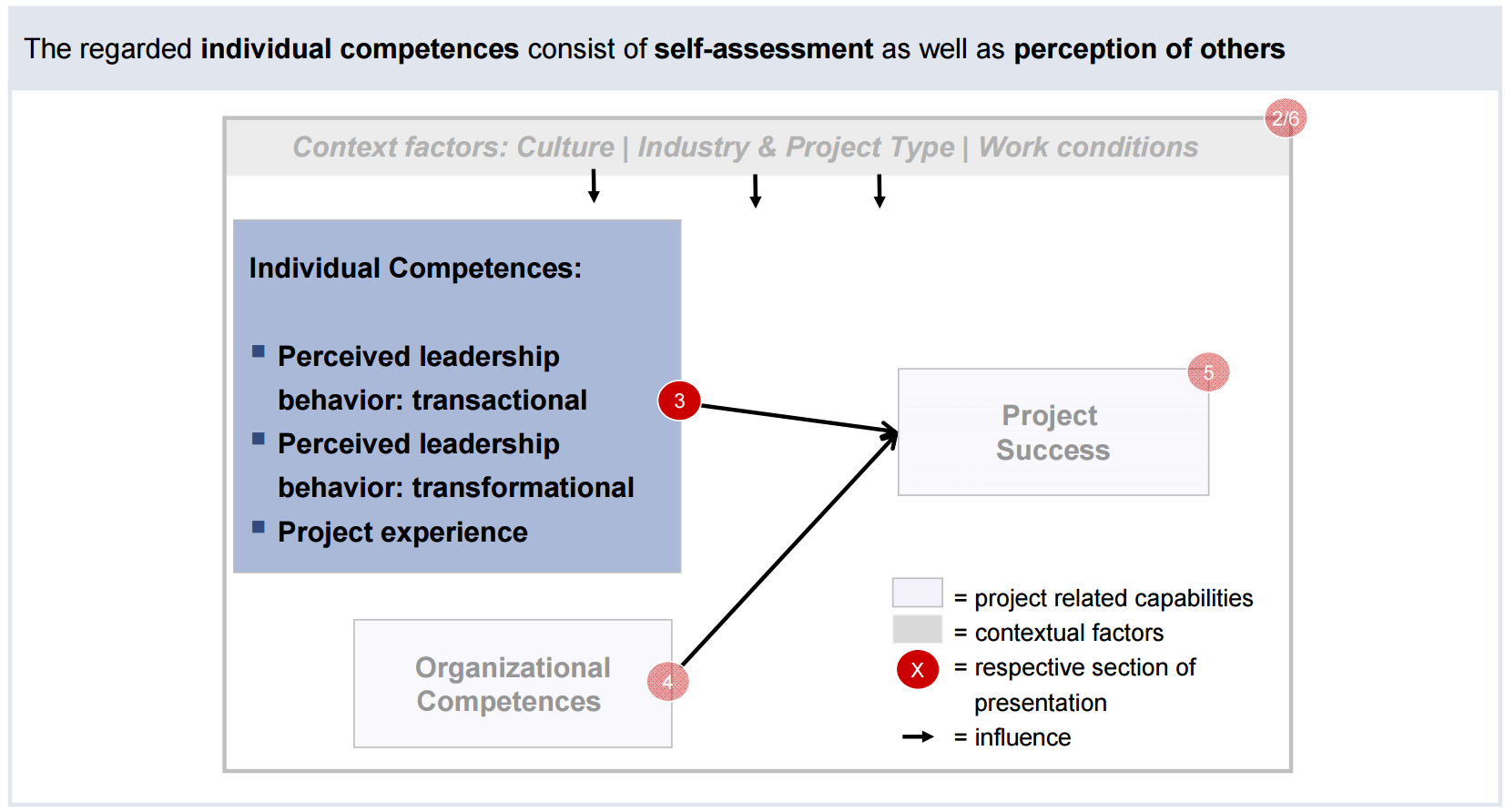
Figure 2 - Strascheg Institute Research on Project Success
Source: Global Project Management Survey: Cultural, Individual and Organizational Competence in Project Management (2010)
In Module 2.3 we will focus on the INDIVIDUAL competencies while in Module 2.4 we will focus on ORGANIZATION’S competencies.
Competency is defined by the Merriam Webster dictionary to be “the quality or state of being functionally adequate, characterized by marked or sufficient aptitude + attitude + skills + strength + knowledge”
- “Functionally adequate” means the professional practitioner has “the degree of learning and skill ordinarily possessed by reputable professionals practicing in the same or a similar locality and under similar circumstances”;
- “Aptitude” is the natural or acquired ability to do something;
- “Attitude” is a way of thinking, acting or behaving in a way that others perceive as being either positive or negative; “Skills” are the ability to do something well; expertise:
- “Knowledge” is facts, information, and understanding acquired by a person through experience or education; the theoretical or practical understanding of a subject.
Thus when we talk of competency? we are talking not only about technical issues but the “soft” or “people” competencies, which is the ability to deal with and interact effectively with other people be they peers, superiors or subordinates, clients or customers. This is also known as “emotional intelligence” (EQ) or the capacity to be aware of, control, and express one's emotions, and to handle interpersonal relationships judiciously and empathetically.
02.3.2 INPUTS
- Performance Evaluations Of Employees/Team Members.
- Personality Tests (I.E. Myers Briggs, Harrison Assessments Etc))
- Career Path Development Plans (CPDP)
- Lessons Learned From The Double Loop Learning Process
02.3.3 TOOLS & TECHNIQUES
02.3.3.1 INTER-Personal Skills
02.3.3.1.1. Teamwork
In the context of Project Controls, teamwork is the ability to work collaboratively with a group of people in order to achieve a goal or objective
02.3.3.1.2. Power vs. Authority
POWER: the ability of a person or a group to influence the beliefs and actions of other people. It is the ability to influence events. There are a total of 8 types or sources of power, 5 Interpersonal and 3 structural :
Interpersonal
- Reward Power- the power to give bonuses or pay increases;
- Coercive Power- the power to fire, demote or issue warning letters;
- Legitimate Power- power delegated by a supervisor or by holding a given position or title;
- Expert Power- the power of someone with superior knowledge as in subject matter expert;
- Referent Power- power by association (i.e. being the bosses secretary)
Structural
- Knowledge (Intellectual Capital) Power- knowledge of how a system actually works informal system vs formal system. This is the reason credible Standard Operating Procedures are so important to develop and maintain.
- Control of Resources as Power- the ability to assign top performers to favored projects and weaker people to less favored projects;
- Networks as Power- the ability to utilize networks to build consensus, find information and establish control.
AUTHORITY: the right given to a manager to achieve the objectives of the organisation. It is a right to get the things done through others. It is a right to take decisions. It is a right to give orders to the subordinates and to get obedience from them. A manager cannot do his work without authority.
02.3.3.1.3. Leadership Capabilities
Leadership in the context of project controls is defined to be the ability to get things done through others, when the project controller, planner, scheduler, cost estimator has little or no formal authority over those on his/her team.
02.3.3.2 INTRA-Personal skills
02.3.3.2.1. Motivational Theories
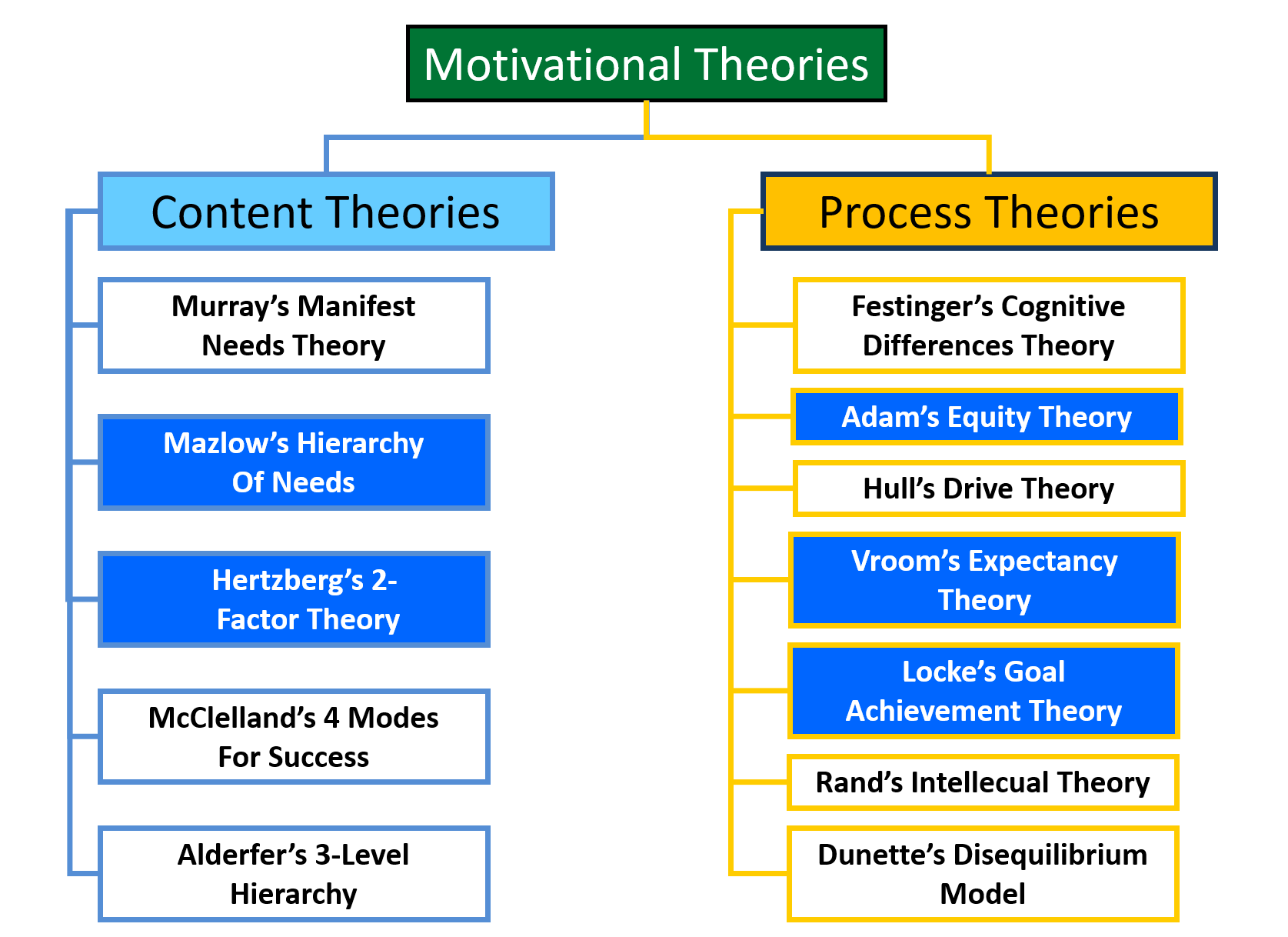
Figure 3 - Content vs Process Theories of Motivation
Source: Giammalvo, Paul D (2015) Course Materials. Contributed Under Creative Commons License BY v 4.0
There are two basic schools of thought about motivational theories. Content Theories and Process Theories.
Although project controls is mostly process based, there is validity and relevance to approaches from both schools. On the Content side, the most relevant to project control organizations are Mazlow’s Hierarchy of Needs and Hertzberg’s 2-Factor Theory, while the most commonly encountered theories on the Process school are Adam’s Equity Theory, Vroom’s Expectancy Theory and Lockes’ Goal Achievement Theory. While these are the PREDOMINANT theories, to become an advanced or expert level practitioner one should be at least aware of the other theories as all of them have the potential to be adaptable for use in a project controls/project management setting.
In addition to Content and Process Theories, within those theories, rewards can either be extrinsic or intrinsic motivators, the classic example being Mazlow’s Hierarchy of Needs, which contains both intrinsic motivators (i.e. recognition) as well as extrinsic motivators (i.e. hats or jackets).
When used properly, the project controls functions have the ability to act as powerful motivators, but used inappropriately to ‘micro manage’ can act as de-motivators. An understanding of motivation theory can help the project controllers support the efforts of the project management team to create a motivated project workforce.
02.3.3.2.2. Extrinsic Motivators
Management scientists way back to Henry Gantt in the early part of the 20th century had established that in the ‘carrot-and-stick’ approach to motivation, fear and the ‘stick’ had little effect, the ‘carrot’ and rewards had measureable effect. Based on these findings, most business approaches to motivation are based on extrinsic motivators:
- If you achieve ‘A’ we will reward you with ‘B’ and
- If you are really good and make ‘2A’ we will give you ‘2B’.
The theory used by business is based on the assumption that provided the reward is commensurate with the effort needed and expectations of the person; the larger the reward the greater the motivation. It is assumed that as long as basic principles such as fairness are applied the increase in motivation will flow through to increased performance. More motivation = better performance. Lockes Goal Achievement Theory is the classic example of this approach.
More recent studies have consistently demonstrated that pay-for-performance rewards only work effectively for manual tasks and then only to a limited extent. Certainly it is reasonable to assume that if someone’s take-home pay was cut in half, his or her morale would suffer enough to undermine performance … but it doesn’t necessarily follow that doubling that person’s pay would result in better work. And, research has shown that as soon as a degree of innovation or creativity is required, pay-for-performance rewards have a negative effect on people’s output. Incentives do not create an enduring commitment to any value or action; rather, incentives merely, and temporarily, change what we do! Consequently, traditional rewards are nowhere near as effective as most organisations think for anyone in creative or leadership roles.
02.3.3.2.3. Intrinsic Motivators
More recent work by researchers has suggested other factors are needed to motivate knowledge workers and managers involved in creative activities. The classic examples of intrinsic motivators are the top two levels of Mazlow or Vroom’s Expectancy Theory. The key factors that work intrinsically are:
Autonomy: control and self-direction over the work to be done.
Mastery: the ability to excel at the work by getting better and better at difficult tasks. Research has shown that making progress in one’s work, even incremental progress, is more frequently associated with positive emotions and high motivation than any other workday event.
Purpose: the work is in the service of something larger and contributes value to the organisation and others. Often it is the leader’s role to highlight the meaningfulness of apparently boring work. Kim Cameron, in his book Positive Leadership, observes that work is associated with meaningfulness when it has one or more of the following key attributes:
- The work has an important impact on the well-being of human being.
- The work is associated with an important virtue or personal value.
- The work has an impact that extends beyond the immediate time frame or creates a ripple effect.
- The work builds supportive relationships or a sense of community in people
Within this framework, the ability of individuals to see ‘real progress’ each day is the key to generating positive feelings about their work. This requires each person having ‘ownership’ of their work, relatively stable objectives, to be able to implement their ideas to achieve the required outcomes, and importantly be allowed to finish the job properly. The feeling of accomplishment created by this environment is underpins motivation. When changes are unavoidable, managers need to keep their team fully informed of the reason as well as the consequences to retain engagement and seek their input to the best solution to the challenges caused by the change.
Tapping into a person’s intrinsic motivations requires a completely different approach to the ‘old school’ command and control ideas of management:
Intellectual creativity cannot be 'programmed' and directed the way we program and direct an assembly line or an accounting department. This kind of intellectual contribution to the enterprise cannot be obtained by giving orders, by traditional supervisory practices, or by close systems of control. Even conventional notions of productivity are meaningless with reference to the creative intellectual effort. Management has not yet considered in any depth what is involved in managing an organization heavily populated with people whose prime contribution consists of creative intellectual effort.
Douglas McGregor essay, "New Concepts of Management"
To further complicate matters, the best intrinsic motivator for any particular individual may be different. What is extremely valuable to one person may be worthless for the other. So while it is true that many of us look for autonomy, mastery and purpose in what we do, as a leader we should also be open to other 'currencies'. For example:
- Relationship and belonging – the person values being in a ‘family’,
- Clarity of objectives and expectations – the person just wants to know what to do and be able to do it,
- Proximity to key positions – the person enjoys being with famous/significant people.
To really motivate someone, it is important to identify what is of value to that person and reward him/her in that currency. When seeking to motivate individuals, it is a subjective world and the subject rules the object. Change the subject and the world if changed.
Ultimately, regardless of whether the theory is process or content based, it requires some form of reward or awards, either tangible (i.e. providing hats and jackets to team members or monetary awards for ideas submitted via a suggestion box) or intangible, such as recognition in the company newsletter or “project control employee of the month”.
02.3.3.2.4. Awards / Rewards
Awards sit in-between extrinsic and intrinsic motivators; they are extrinsic, but generally have little tangible value, but are highly appreciated by the recipient. They are widely used in society and include the Oscars, Walkleys (journalism), Brownlow and other medals (sports), through to the ‘Employee of the month’ photograph in a fast food restaurant and the ‘tokens’ you can collect for participating in many websites. Awards can be graduated to encourage steadily increasing levels of performance, avoid many of the drawbacks of KPIs and encourage loyalty. Where KPIs and other extrinsic motivators tend to be transactional and focused on the individual, awards tend to drive intrinsic motivation and loyalty to the awarding organisation. The person feels ‘honoured’ to have received the award.
Reward systems can be designed to deliver both extrinsic motivation (a tangible value) and intrinsic motivation, (recognition of success and enhanced status); generally, the intrinsic elements are the most important and should be focused on encouraging desirable team focused behaviours rather than individualistic and selfish behaviours. You need to build a champion team, not a team of feuding champions.
Traditional rewards will work for simple manual tasks. However, as soon as creative thinking is needed extrinsic rewards have repeatedly been shown to have the opposite effect by focusing effort in a narrow band and stopping the more creative thinking needed to solve the problem. The results are measurable negative performance, increasing as the reward increases. What’s fascinating is most organisations reward their senior decision makers with huge pay bonuses to solve some of society’s most difficult problems (and wonder why they fail so often…).
Below are a list of the philosophies of those most likely to be found or used in a project management/project controls environment. Because each project is a “unique undertaking” what it means for the project control professional is we need to be at least familiar with the basic concepts and be able to apply sound professional judgement, knowing which approach to use given any specific condition or situation.
02.3.3.2.5. Maslow / Hertzberg
Maslow - Motivation and Personality (1954). Developed hierarchy of needs as a basis for motivation theory. Maslow put forth a 5 level hierarch of needs and proposed that to motivate a person the rewards had to be appropriate to their position in the hierarchy. Hertzberg took Maslow’s 5 levels and argued that the lower levels were not really motivators, but requirements- that without them, the person was dissatisfied.
Hertzberg- The Motivation to Work (1959). Developed the two-factor (motivation-hygiene) concept. Hertzberg told us that only the top 3 levels of Maslow were true motivators. In the context of project controls, because projects have a defined start and finish and because job security is becoming ever more tenuous and because research is showing that the future is likely to revolve around project based work, with project control professionals being part of the contingent or part time work force, Maslow’s Hierarchy of Needs, in particular Levels 2, Safety and Security and Level 3, Social/Affiliation, are likely to become much more important and relevant than Hertzberg.
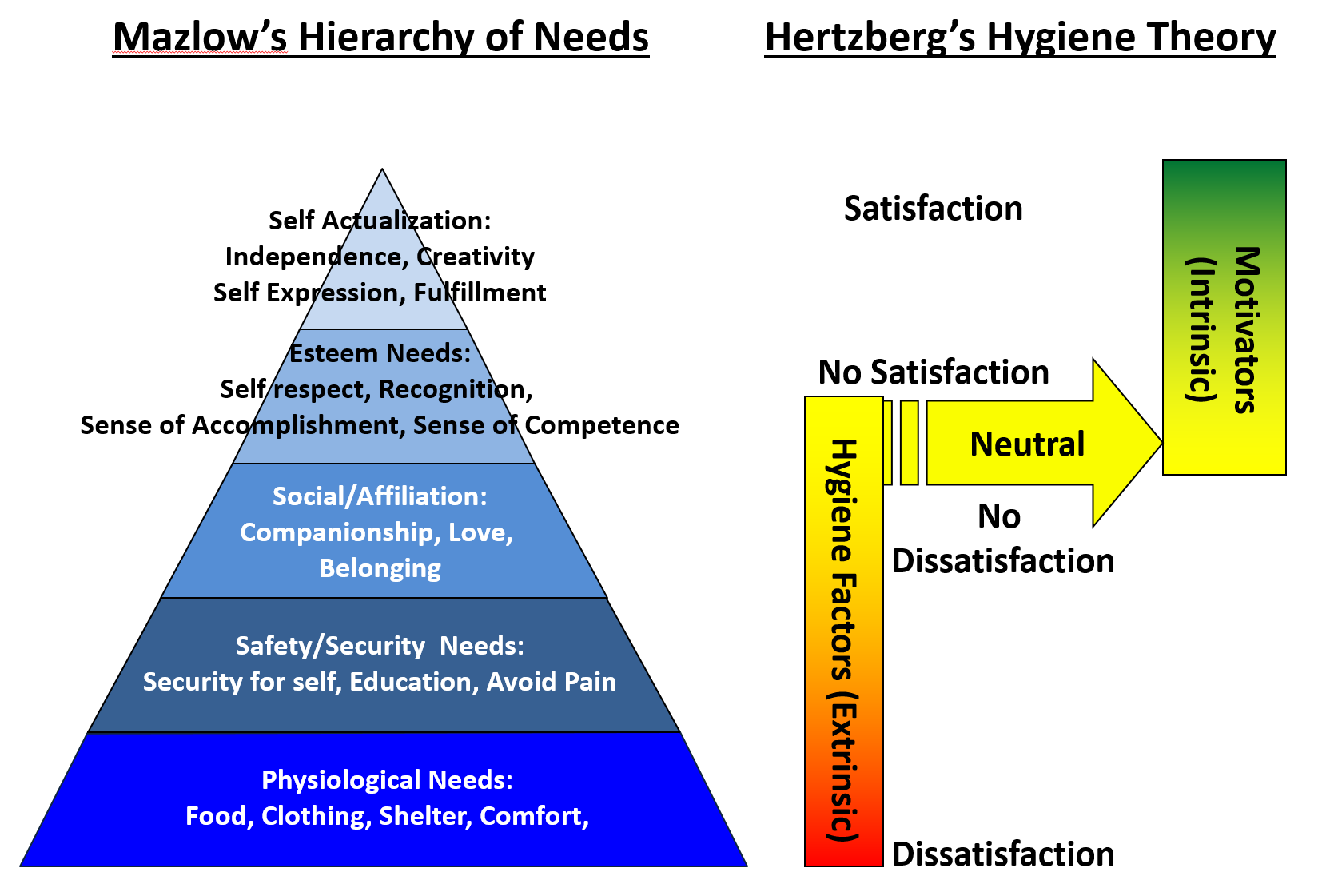
Figure 4 - Mazlow vs Hertzberg Compared
Source: Giammalvo, Paul D (2015) Course Materials. Contributed Under Creative Commons License BY v 4.0
In the example above, we can see that the lower three elements of Mazlow and Hertzberg’s Hygiene factors are EXTRINSIC, while the top two elements of Mazlow and Hertzberg’s Motiviators are EXTRINSIC.
To prove the validity of these two models in the context of project management/project controls, how often do we see examples such as hats or jackets or patches/logos showing that we are working on or part of a project team? Which makes these valid motivators at least for some people. On the other hand, by implementing a recognition system, (i.e. earning professional certifications) stand as examples of intrinsic motivators. At any given time, a person may well be motivated by a combination of extrinsic and intrinsic motivators.
02.3.3.2.6. Vroom
Work and Motivation(1964). Developed expectancy theory based on early psychological theories, such as Kurt Lewin's "force field" concept. Lyman Porter and Edward Lawler extended expectancy theory by adding a feedback from performance to the future expectancy of effort being rewarded, thus strengthening subsequent performance.
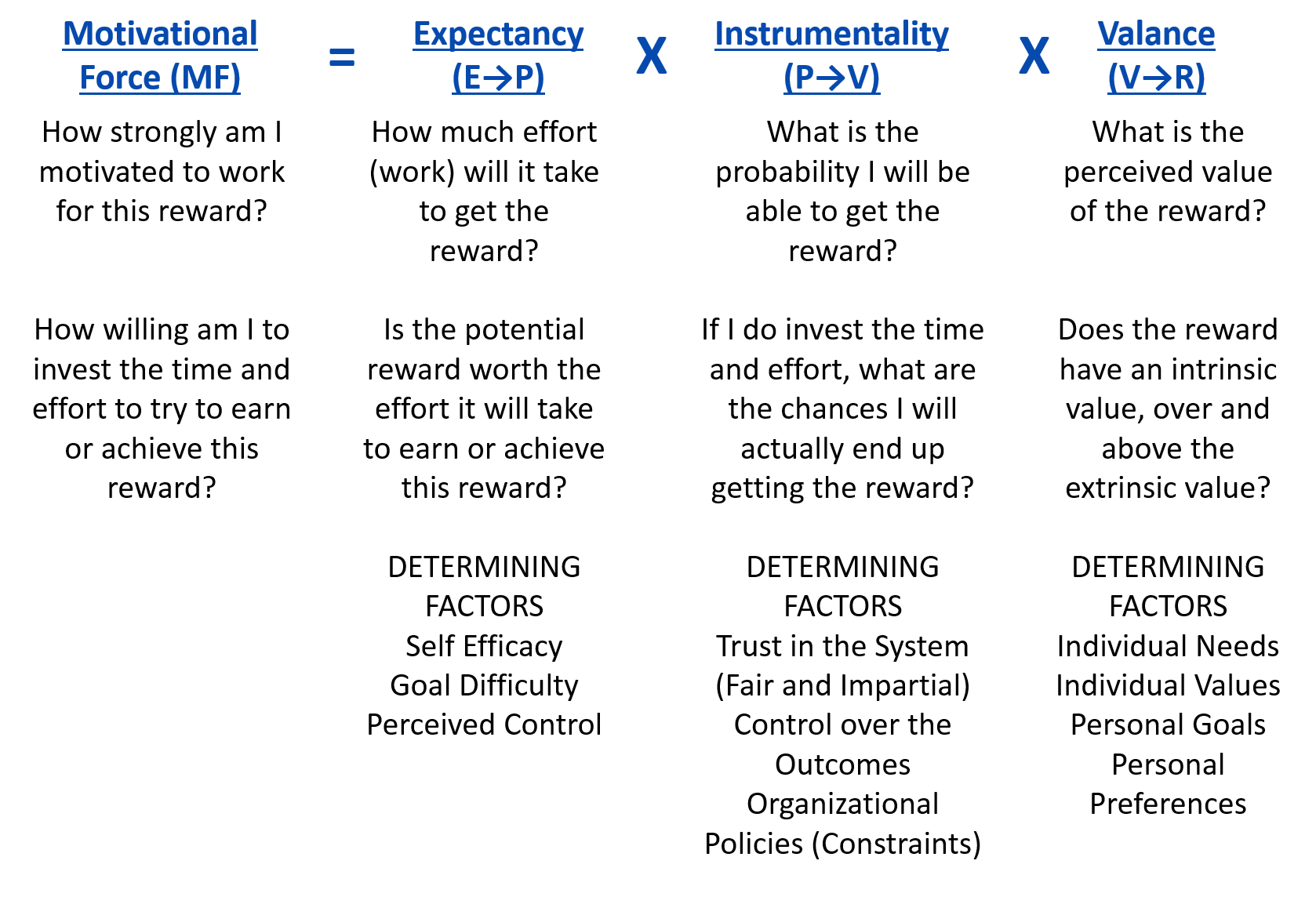
Figure 5 - Vroom’s Expectancy Theory
Source: Giammalvo, Paul D (2015) Course Materials. Contributed Under Creative Commons License BY v 4.0
Illustrated Vroom's expectancy theory is another model which combines both extrinsic and intrinsic rewards to motivate people to focus on organizational objectives. Vroom assumes that behavior results from conscious choices among alternatives whose purpose it is to maximize pleasure and to minimize pain. Vroom realized that an employee's performance is based on individual factors such as personality, skills, knowledge, experience and abilities. He stated that effort, performance and motivation are linked in a person's motivation. He uses the variables Expectancy, Instrumentality and Valence to account for this.
This theory is also known as the “What’s in this for me” theory and is very prevalent in Gen X and Millennial Generation. Essentially, employees or team members look at the level of effort required to obtain the reward, the probability they will actually get the reward, and the perceived value of the reward and adjust their commitment and level of effort accordingly. Vroom’s philosophy becomes important when creating performance bonus incentives, either for your own employees or for contractors on your project. . If they perceive the probability of earning the bonus or incentive is low and/or the value of the bonus is not worth the effort required to achieve the bonus or incentive, they can quickly become demotivated.
02.3.3.2.7. Locke
A Theory of Goal Setting and Task Performance (1990). Along with Gary Latham and using ideas of Thomas Ryan, Locke developed goal-setting theory, which has its roots in Frederick Taylor's task management, Frank Gilbreth's "three position plan" of promotion, Peter Drucker's MBO, and Cecil Mace's pioneering studies.
Locke’s Goal Achievement Theory is very commonly found in nearly all organizations today and forms the basis for most annual or semi-annual performance reviews. Using Locke, goals are established, either annually or semi-annually. There are “nominal” goals and then there are “stretch” goals. If the employee achieves the “nominal” goals, they receive a percentage rate increase or bonus while if they achieve the “stretch” goals, they achieve a higher percentage salary increase or bonus. This model is largely extrinsic and despite the fact that the process is not liked either by employees or managers, it still remains a common practice in many organizations today.
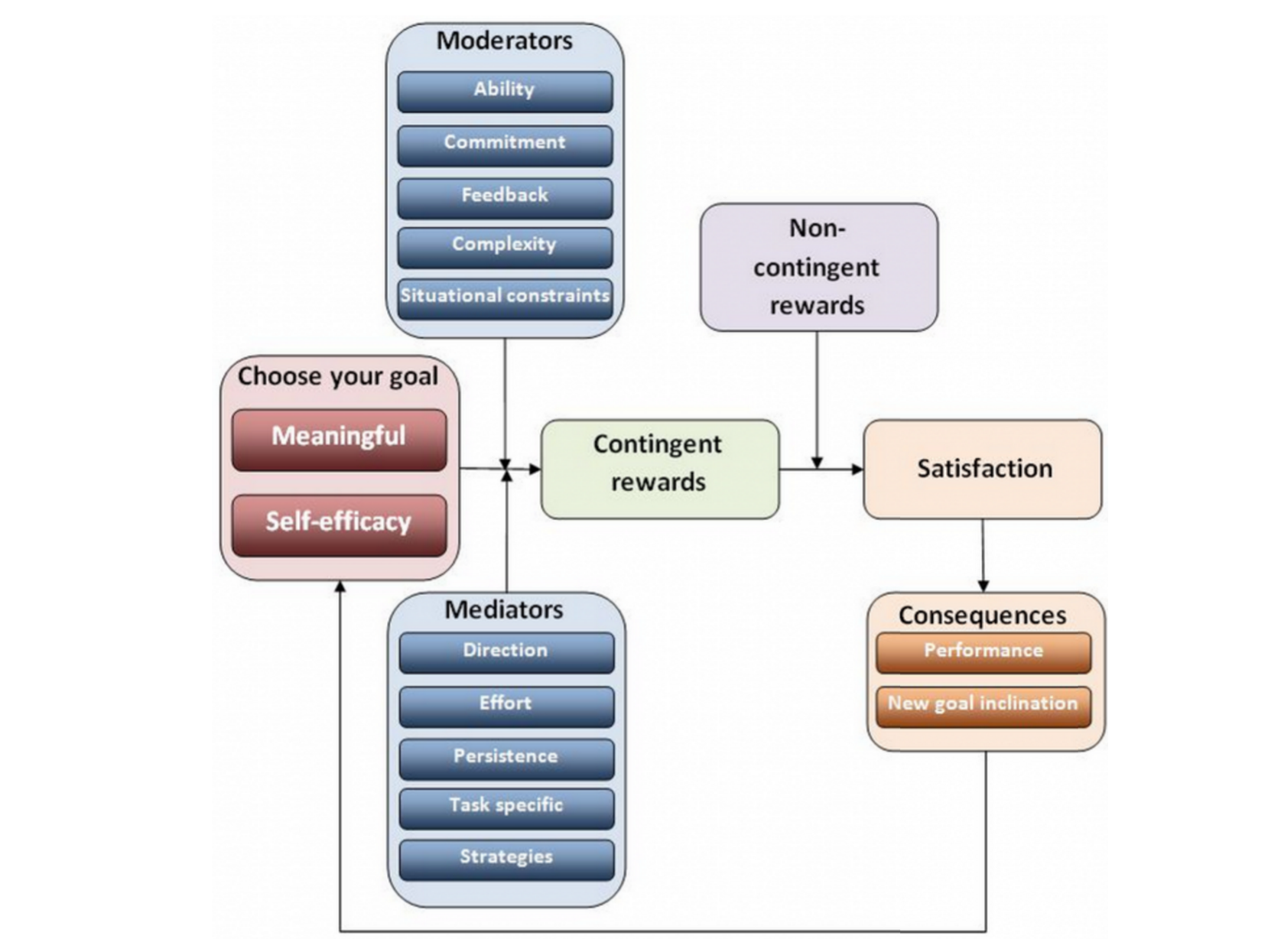
Figure 6 – Locke’s Goal Achievement Theory illustrated
Source: Renando, Chad (n.d.) Anatomy of a New Year’s resolution: Goal setting psychology by Gary Latham and Edwin Locke
The challenge of applying this model effectively in a project based environment is the rewards must be linked very closely in time to the performance of the work and the goals must meet the “S.M.A.R.T” criteria.
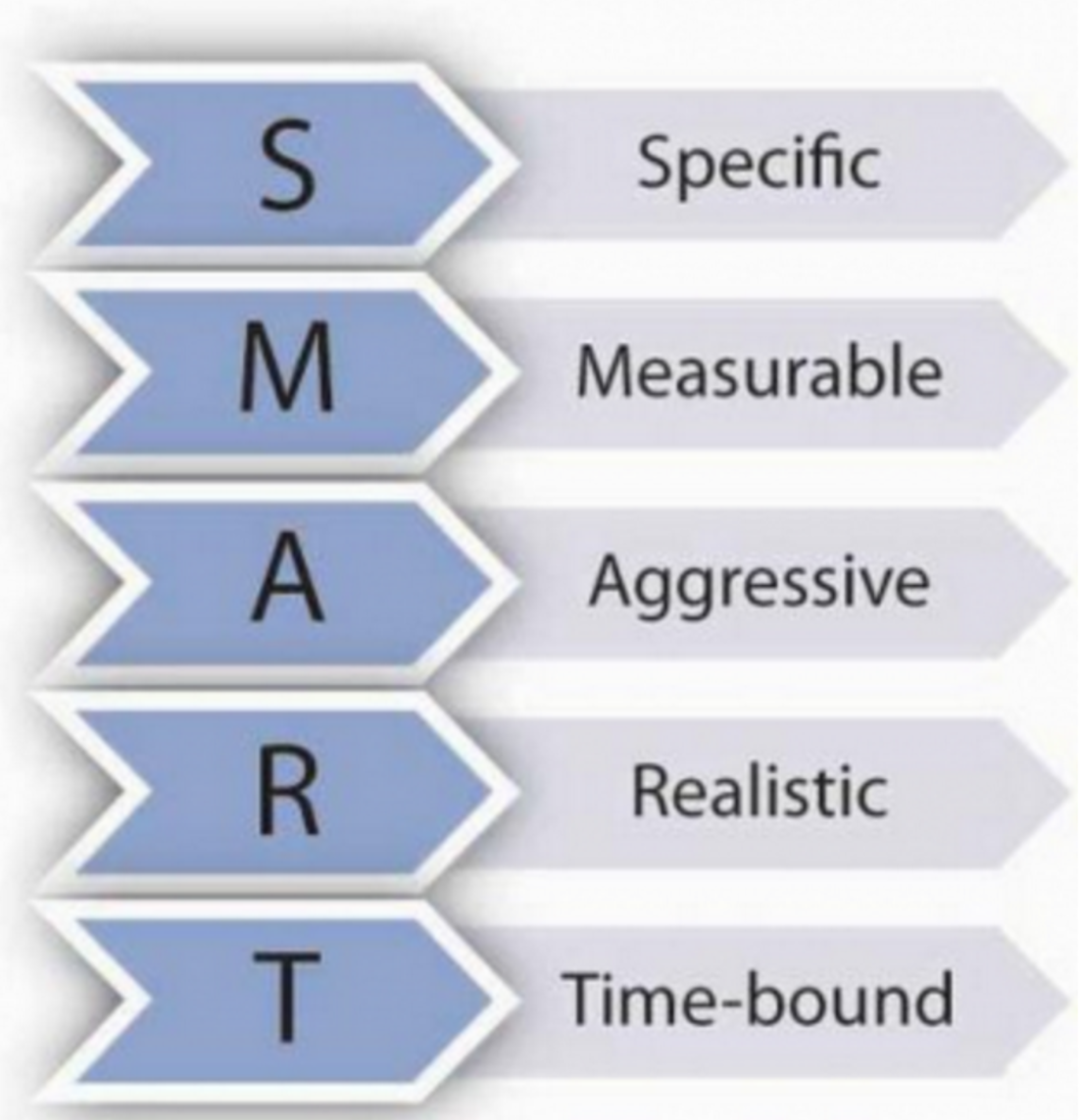
Figure 7 - S.M.A.R.T. Criteria
Source: Bauer, Tayla and Erdogan, Berrin (2011) Motivating Employees Through Goal Setting
In the field of safety- i.e. no lost time accidents in a month and everyone on the team receives a gift certificate for a meal. No lost time accidents for a year and everyone on the team receives a gift certificate for $100. Another example is using small extrinsic incentives (i.e. gift certificates to a local fish and chips or pizza house) to encourage tradesmen to punch or snag list their own work. If there are no punchlist items found during a final acceptance inspection by the owner, the crew with no punchlists receives a gift certificate. Applied to project controls, it is not uncommon to provide similar incentives to get reports out on time and containing no errors.
The risk in using this approach is the team becomes so focused on these goals or objectives that other areas are ignored or given a lower priority, causing them to suffer as a result, which is why this approach is giving way to a Balanced Scorecard or 360 Degree evaluations..
02.3.3.2.8. Adams
Adams Equity Theory is another relevant motivational theory commonly encountered in today’s project centric work place environment.
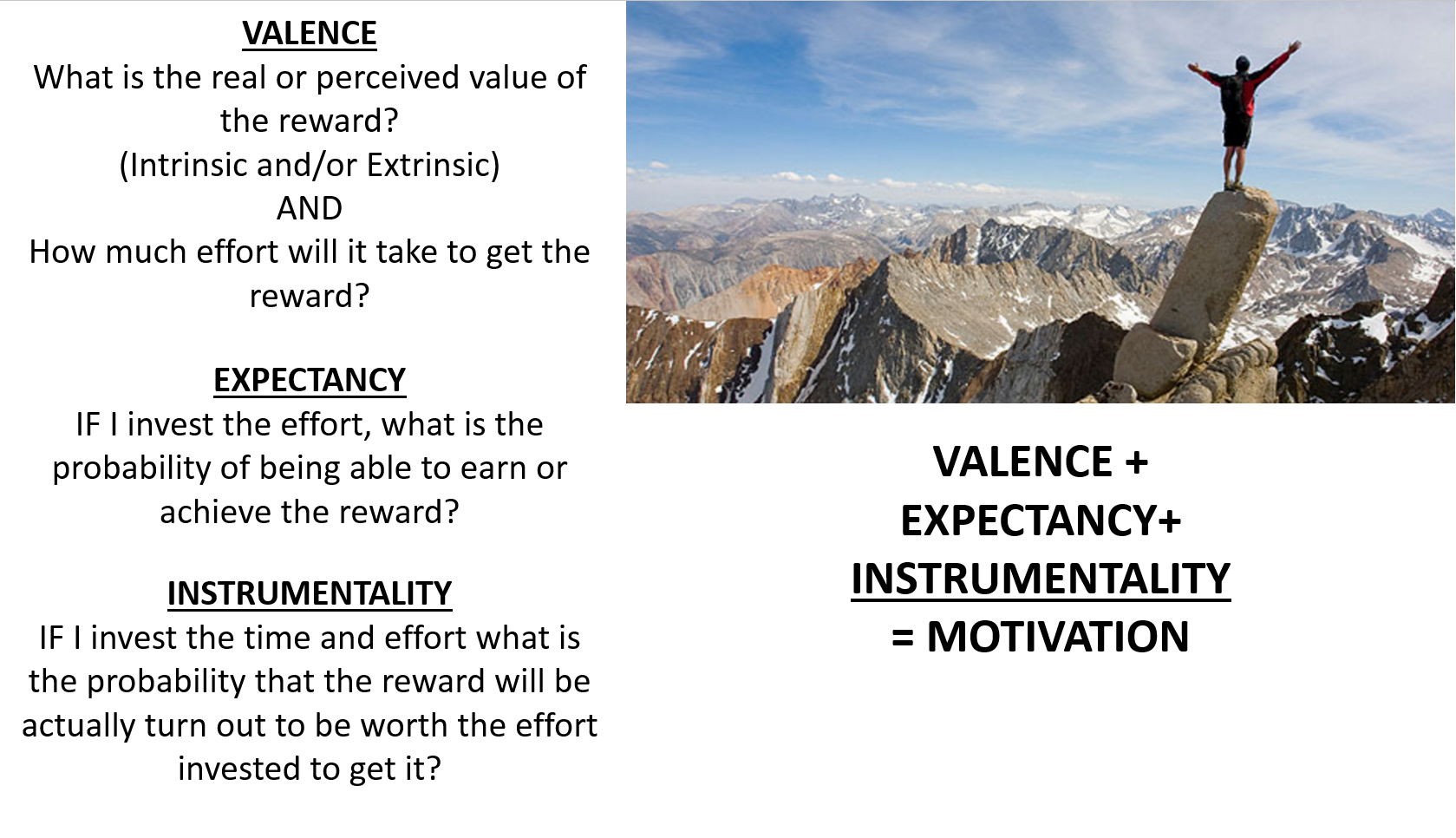
Figure 8 - Adams Equity Theory Illustrated
Source: Redmond, Francis Brian and Housell, Karin L (2015) Equity Theory
Adams Equity Theory is largely an INTRINSIC theory which points out the dangers or risks in having “bosses favourites” in any organization. This is also a way to measure or assess the relative workloads of the people in your organization to avoid “burn out”. Unfortunately the reason this theory is important for project control professionals to be aware of is because it is an all too common condition in many organizations and left uncorrected results in high turnover.
Applying Adams Equity theory, we (the employee) are constantly comparing our level of effort and what rewards (tangible or intangible) we receive and compare them against the real or perceived level of effort of our colleagues or team members and the rewards (tangible or intangible) that they receive.
As long as the system is perceived to be fair, then it does serve as a motivator. However, if there are “bosses favorites”- people who are perceived to get favorable treatment for the same or less work, then it becomes a demotivating factor in the work place.
In the context of project controls, whenever a team is rewarded rather than individuals, unless some portion of the bonus is allocated to those who performed the most work, then it tends to reward slackers at the expense of top performers and if not corrected, the top performers often leave or no longer contribute.
02.3.3.2.9. Balanced Score Card Method
Recognizing that the above motivational methods all have drawbacks and in some cases, may actually serve to demotivate team members, the Guild recommends a 360 degree or Balanced Scorecard approach to team member performance analysis.
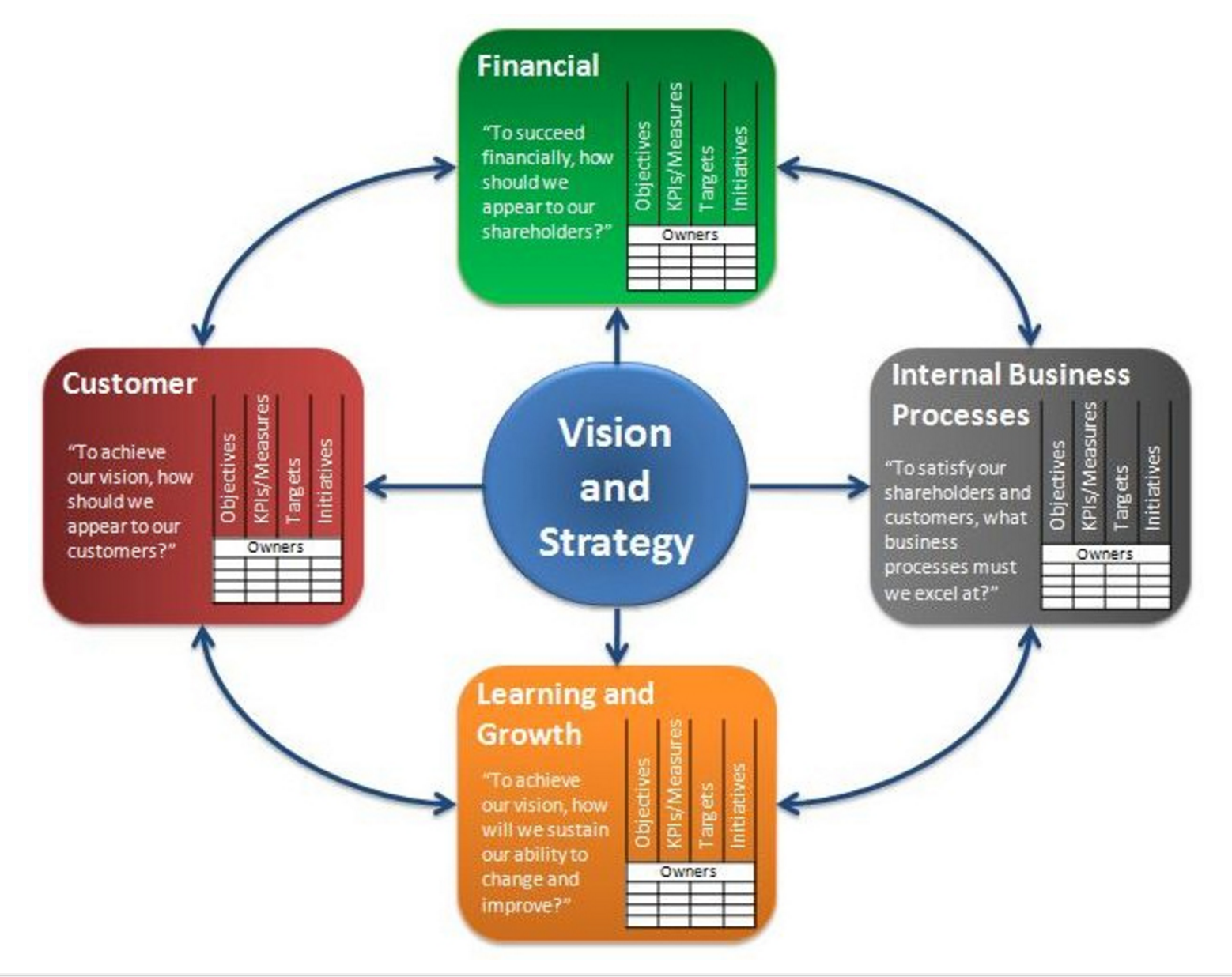
Figure 9 - Balanced Scorecard Illustrated
Source: Warner, Jon (2013) What is Balanced Scorecard
This approach embraces both extrinsic and intrinsic rewards and as the model above, is geared towards achieving organizational goals and objectives, not only at the corporate or organizational level, but also at the departmental level as well.
The headings shown in each of the boxes are for example only. These would be replaced by your own organizations vision and strategy. Then applying this model, supervisors, peers, subordinates, customers and the employee or team member themselves have the opportunity to be evaluated against a multi-dimensional model. By taking this approach, not only can we evaluate an employee against whatever criteria deemed to be important but by obtaining inputs from customers, supervisors, peers and subordinates, we can gain a pretty clear understanding of the team members’ strengths and weaknesses not just from the perspective of the supervisor but the customer (internal or external) and other people on the team. This model is useful in addressing the drawbacks of using many of the other motivational models. This model is especially useful in a MATRIX ORGANIZATION, especially for those project control professionals assigned to more than one project. In this way, each project manager the project control professional is providing services to has input into the performance review and not only the project control manager.
Because of the credibility of the Balanced Scorecard Approach, it has been used as the basis for one component of the competency assessment process adopted by the Guild of Project Controls.
For internal purposes if your organization does not yet have or is not using the Balanced Scorecard or 360 Degree Evaluatiion tools, many templates exist to help us created a Balanced Scorecard assessment for Project Control professionals, to help get you started, here are some links recommended by the Guild of Project Controls, noting that these are FREE and OPEN SOURCED meaning they are copy written in such a way that you are free to use them provided you give appropriate citation:
- Balanced Scorecard Templates- http://www.bscdesigner.com/real-bsc-examples.htm
- Balanced Scorecard Smartsheet- https://www.smartsheet.com/solutions/balanced-scorecard-dashboard
- Excel Balanced Scorecard Templates- http://stefanomessori.com/en/the-balanced-scorecard-template
02.3.3.2.10. Motivational Theories’ Summarized
While no one motivational “model” or theory fully or completely describes why people behave the way they do, within each model lies some understanding of why people act the way they do under differing circumstances. We need to know and understand why people behave as they do, because ONLY PEOPLE DO PROJECTS.
Knowing and understanding these different models has relevance to project control practitioners not only are we working in different countries and cultures, but because each project is a “unique one time event” knowing what worked in terms of motivating a project management or project controls team in one location may or may not work, even on a similar project in a different location. Which means that our “tool box” of “solutions” needs to be broad enough to cover any circumstances. For those preparing for the exams, if you do not KNOW and UNDERSTAND these philosophies, you need to either conduct additional self-learning OR consider attending a formal course in these subjects.
02.3.3.3 Technical Competencies of Project Controls Professionals
In the beginning of this section, we defined competency to be “the quality or state of being functionally adequate, characterized by marked or sufficient aptitude + attitude + skills + strength + knowledge”.
We can measure “Aptitude” (the natural or acquired ability to do something) and “Attitude” (the way of thinking, acting or behaving in a way that others perceive as being either positive or negative;) using one or more of the assessment tools above.
So what are the remaining attributes to be assessed as “competent and how do we assess them?”
“Skills” are the ability to do something well; expertise
“Knowledge” is facts, information, and understanding acquired by a person through experience or education; the theoretical or practical understanding of a subject.
The US Government Accountability Office (GAO) invested over 3 years researching and developing a series of “Best Practices” publications, both of which form the backbone of this GPC BoK.
In the GAO’s ”Cost Estimating and Assessment Guide Best Practices for Developing and Managing Capital Program Costs” pages 51-56, the panel of experts put together a study of what TECHNICAL COMPETENCIES (Skills and Knowledge) are required in order to assess that a person is “Functionally adequate”- that the professional practitioner has “the degree of learning and skill ordinarily possessed by reputable professionals practicing in the same or a similar locality and under similar circumstances”.
As to date, there has been no similar analysis done for Planners/Schedulers or Forensic Analysts therefore, the Guild of Project Controls is operating under the yet to be validated assumption that the same set of skills and knowledge which applies to cost analysts (Cost Manager Track) also applies to the Planning/Scheduling, Forensic Analysis and Project Controls tracks.
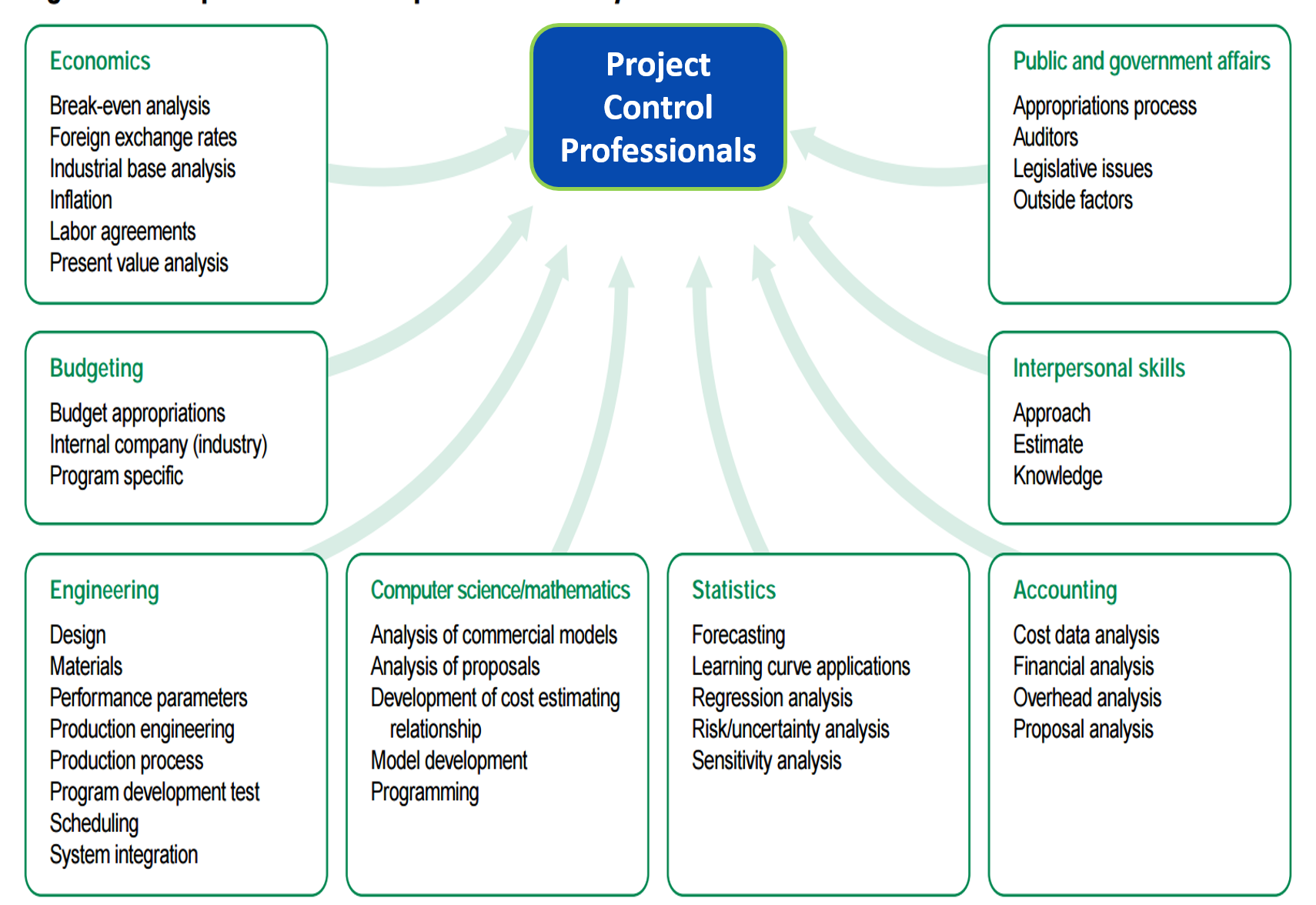
Figure 10 - Disciplines and Concepts Required for the Project Control Professional to Master
Source: Adapted from GAO "Cost Estimating and Assessment Guide Best Practices for Developing and Managing Capital Program Costs” Page 51 Fig 9
While the research above was done specifically for Cost Analysts (CM Track) there is a compelling argument that lacking more specific research for Planners, Schedulers, Forensic Analysts and Project Controllers, that these same disciplines apply to all project control practitioners, the only difference being the relative weighting of one discipline over another. (i.e. for Planners/Schedulers the Engineering and Budgeting would be more heavily weighted than say Cost Management, which would require more focus on Accounting and Economics.) Likewise, for both Planners/Schedulers (PS and Cost Managers, (CM) Computer Science/Mathematics and Statistics would likely be equally weighted.
02.3.3.4 Measuring and Assessing Competency
As explained previously, “Competency” as used by the Guild of Project Controls is defined to be “the quality or state of being functionally adequate, characterized by marked or sufficient aptitude + attitude + skills + strength + knowledge”
- “Functionally Adequate” means the professional practitioner has “the degree of learning and skill ordinarily possessed by reputable professionals practicing in the same or a similar locality and under similar circumstances”;
- “Aptitude” is the natural or acquired ability to do something;
- “Attitude” is a way of thinking, acting or behaving in a way that others perceive as being either positive or negative;
- “Skills” are the ability to do something well; expertise;
- “Strength” in this context is not physical strength but strength of character- Integrity sometimes called “Emotional Intelligence”.
- “Knowledge” is facts, information, and understanding acquired by a person through experience or education; the theoretical or practical understanding of a subject.
There are two approaches to measuring or assessing “competency”. The first is by looking at a CV or resume then taking an exam, usually multiple choice, and if you pass the exam, you are deemed to be “competent”. The classic examples of this approach are the very popular PMP credential from PMI and PRINCE2 from Axelos. However, based on credible research by KPMG , FMI , Glenn Butts (NASA), Prof. Bent Flyvbjerg and the Standish “Chaos” Report , despite both PMI and PRINCE2 certifications having been around for ~30 years, it is clear that for a multitude of reasons, some within the control of the project management team and some external, that project management is not working. Which means if this inference of competency was working , shouldn’t we as project control professionals and key project team members, be seeing or at least contributing to measurable improvement in project success rates?
As efforts are being made to “professionalize” the practice of project management, which includes raising the professional standing of project control team members, we need to look at what other professions do to develop the competency of their practitioners.
The graphic below, adapted from a presentation developed by Prof. Lynn Crawford, for the Global Alliance for Project Performance Standards (GAPPS) shows both where we are now, which after ~45 years of experience is clearly not working and where we need to be going, which is the approach being taken by the Guild of Project Controls in creating our multi-track, multi-tiered competency based model.
The first approach is what we have been doing, which based on credible research is not working. That is, we look at a person’s Curriculum Vitae (CV) or resume and we see what knowledge based certifications they may hold and based on that, combined with a series of interviews, many of which are taking place over the phone, we hire people.
The second method is the model we find used by other professions, including commercial airline pilots, medical doctors, commercial truck drivers as well as the construction trades, especially those requiring licenses. (Elevator installers, Electricians, Plumbers, Welders etc).
In this approach, a person has not only attended some formal schooling, then passed a written examination, but has also worked under the watchful eyes of a master practitioner for some period of time, under an apprenticeship, internship or other form of supervised training program.
Consistent with our name- the Guild of Project Controls, we have taken the latter approach, taking the concept used by the trades and modernizing and updating it to reflect the development of today’s knowledge worker. Management by objectives.
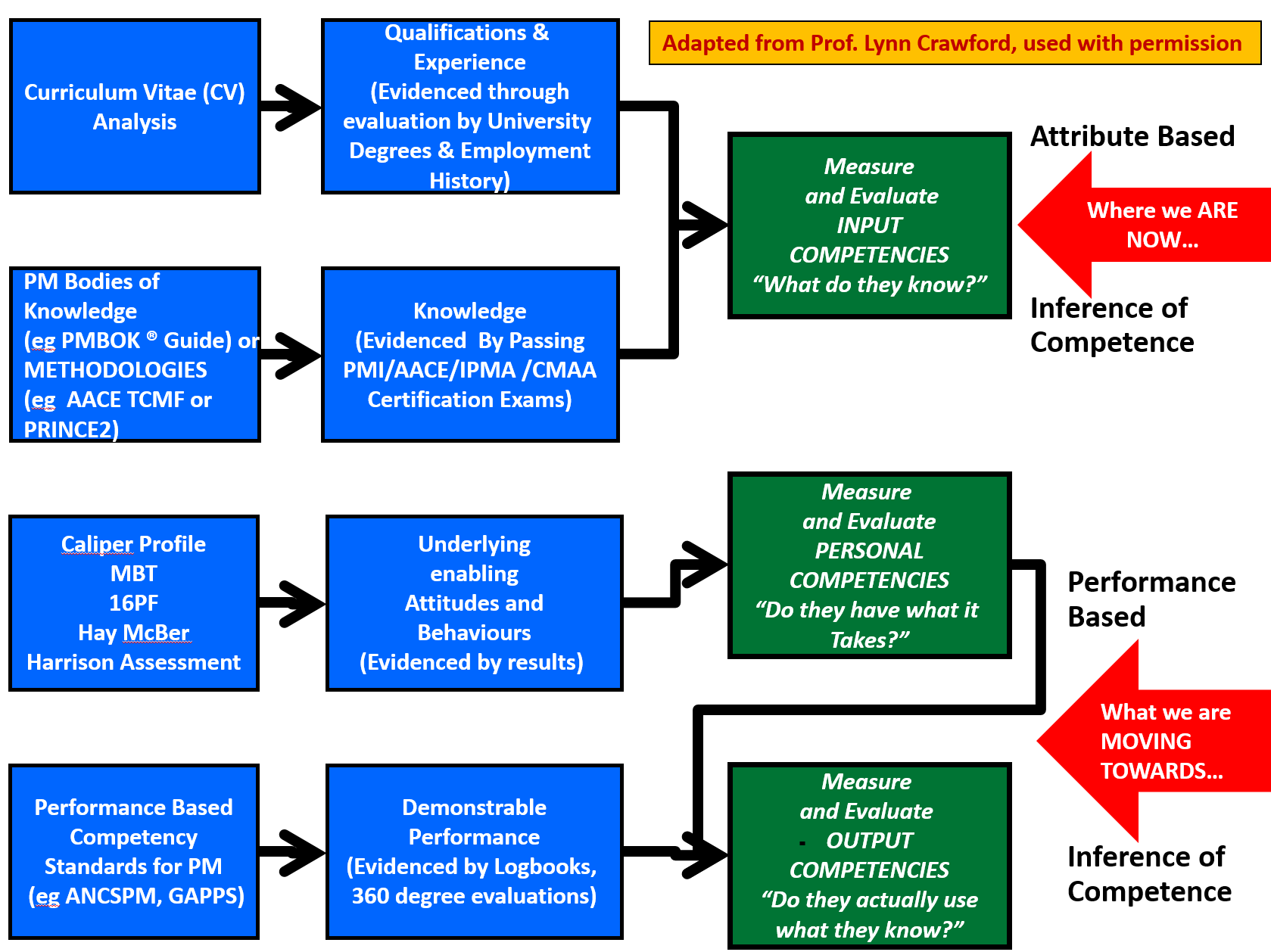
Figure 11 - Methods of Inferring Competency
Source: Giammalvo, Paul D (2015) Course Materials. Contributed Under Creative Commons License BY v 4.0
Thus, the Guild of Project Controls has built our competency assessment model around the second approach which requires:
- A formal career path development plan which includes the requirement that the applicant take one or more of the behavioral assessment instruments;
- At least a 4 year degree or better
- A logbook of experience (comparable to that of a pilot) which has been signed off
- Passing of an exam consisting of a mix of multiple choice, fill in the blank, matching, rank ordering , short essay (<25 words) and long essay (100 >500 words) answers, depending on the level of the exam,
For more details on the these requirements, refer:
02.3.3.5 Communications
Arguably enough, one of the most important competencies for project controls practitioners to master is the ability to COMMUNICATE. This applies to both Individual project control professionals but more importantly to project control managers, as we not only have to communicate internally with project team members and stakeholders but in our role as subject matter experts, we are often called upon to communicate externally, often being called as witnesses in claims and disputes, either as witnesses to facts or as expert witnesses. Thus the ability to communicate is important for ALL practitioners, whether individually or as managers. To underscore the importance of being able to communicate, a major component of the proficient, advanced and expert level requires that papers and presentations have been made in addition to being recognized using a 360 degree or balanced scorecard approach to assessing competency.
02.3.3.5.1. Communication Theory
Project communications requires skill. To make communication effective, careful thought has to be given to the choice of media and message, how the message will be delivered (and who will deliver it) and the best writing, or presentation style to use based on the personality of the person you wish to communicate with, the receiver. Effective communication has four key ingredients; all communication must be clear, concise and easily understood by the receiver, credible communication is also honest and complete.
The Sender-Receiver Model
The sender-receiver model is the simplest communication model and underpins most others. The sender has an idea or concept he/she wants the receiver to appreciate. Before any useful outcome can be achieved from the communication, the receiver has to accurately understand the sender’s idea! This means the message has to be effective in the receiver’s space; if the message does not engage the receiver, the sender is wasting his/her time.
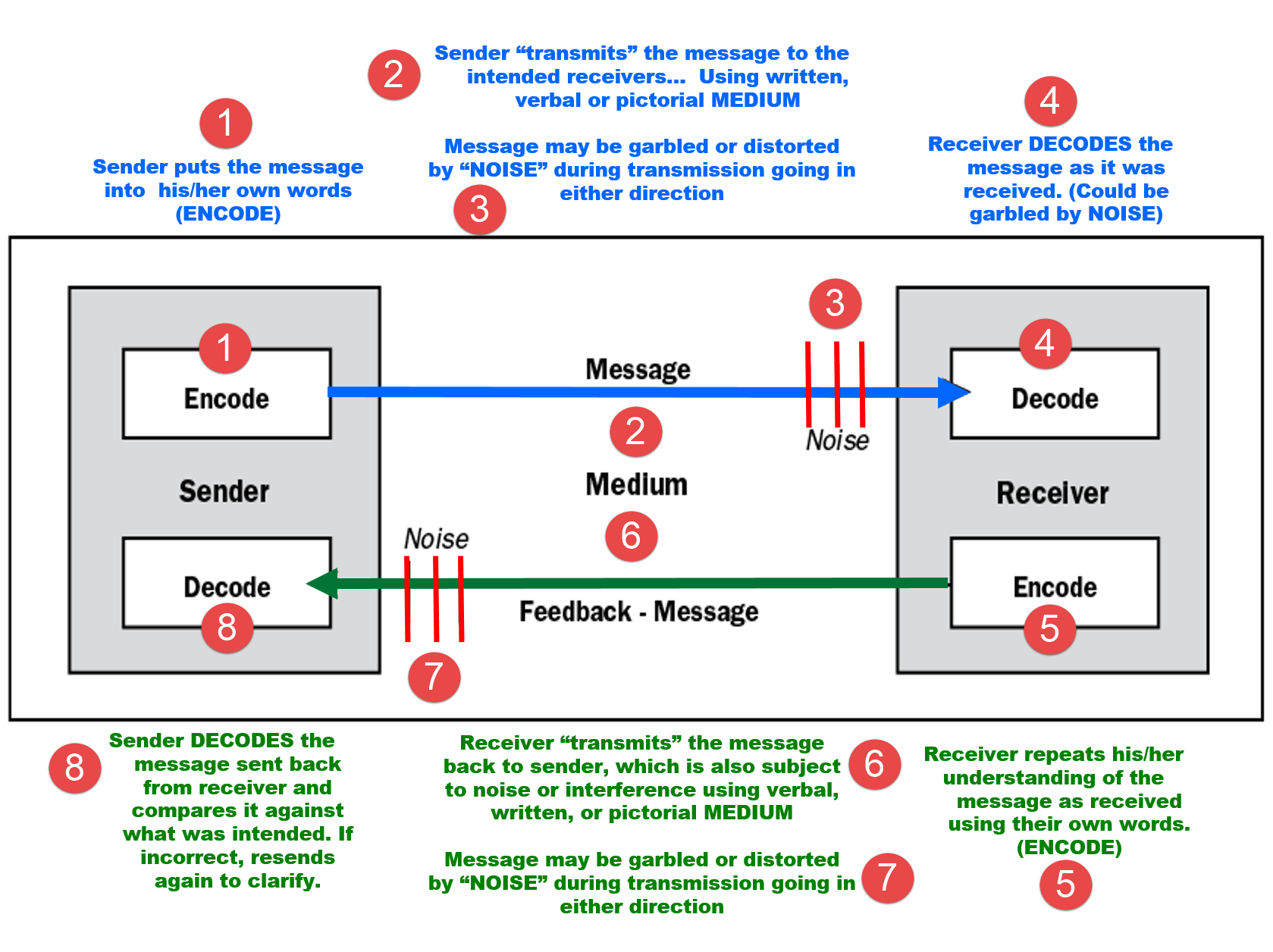
Figure 12 - Riley Communications Model
Source: Giammalvo, Paul D (2015) Course Materials. Contributed Under Creative Commons License BY v 4.0
While there are many different communications models the one most applicable to project management in general and project controls specifically, is the Riley Model.
The elements in this model are:
- Encode: To translate thoughts or ideas into a form of language that can be understood by the receiver; eg, written English, spoken French or a drawn diagram.
- Message: What is sent: the output of encoding
- Medium: The method used for sending the message (face-to-face, telephone, email) • Noise: Something that interferes with the sending or understanding of the message (distance, culture, language differences)
- Decode: The translation of the message by the receiver from the medium into their thoughts.
A single communication is complete once the feedback-message has been decoded by the sender and checked for accuracy against the original idea. Once this loop has been closed both people have a common understanding of the idea. This does not require agreement or concurrence, but if there is to be a disagreement, it helps if everyone has the same basic understanding of the issue or idea in dispute.
Effective communication requires both the sender and the receiver to be engaged. The sender needs to check that the ‘message’ has been received and validate the feedback: “Can we just summarise our discussions to make sure that I have not left anything out?” The receiver needs to check that he/she has absorbed and understood the content of ‘message’ “Can I just summarise our discussions to make sure that I am clear on the details and objectives?” This is active listening and feedback.
Dimensions of communication; Communication can be categorised in a number of different ways. The four primary considerations are:
02.3.3.5.2. Written or Oral
- Written messages are read, the effectiveness of the communication is influenced by the document’s design.
- Oral messages are heard. The communication is heavily influenced by what the receiver sees (if the sender and receiver can see each other). Body language and facial expressions can count for more than 50% of the message received. Paralingual influences, including the pitch, tone and phrasing of the voice counts for another 30% of the message. These influences and the immediacy of visual feedback make oral communications much richer in context than written communication.
02.3.3.5.3. Formal or Informal
- Formal communications are relatively infrequent and usually have pre-planned legal or governance implications (eg, the signed minutes of a meeting). The communication can be oral or written using any appropriate medium including, letter, email, telephone, etc.
- Informal communications are all of the other communications that are not formal. This includes all conversations, discussions and meetings and most written communications.
02.3.3.5.4. Directions of Communication
- Upwards. To senior managers and others with authority over the project.
- Downwards. To project team members, suppliers and contractors.
- Outwards. To people and organisations outside of your organisation that are not involved in the work of the project or program as a supplier (included in ‘horizontal’).
- Sidewards. To peers and colleagues, usually within the organisation (included in ‘horizontal’).
02.3.3.5.5. Internal or External
- Internal communications are to people within the organisation. Typically you have some ‘rights’ in respect of these communications.
- External communications are to people outside of the organisation. Typically you have fewer rights to require feedback, etc.
These different classifications individually or in combination help with the development of the overall communication plan.
02.3.3.5.6. Communication Planning
The communication plan is an important part of the overall project management plan. As a planning process, developing the project’s communication plan is likely to be delegated to a controls professional, who will be responsible for coordinating and formatting input form various subject matter experts and the project management team. The communication plan is an essential element in crafting a communication strategy that will work to support the success of the project or other activity being managed. Inadequate planning may lead to problems such as delays in message delivery, the communication of information to the wrong audience, insufficient communications activities, and misunderstanding or misinterpretation of the messages communicated.
To avoid these problems and facilitate the development (and then implementation) of an effective communications plan people with the following knowledge and skills are needed:
- Understanding the politics and power structures in the organization and the wider stakeholder community, including customers and sponsors;
- Knowledge of the environment and culture of the organization and the key stakeholders;
- Knowledge of the industry and type of project deliverable;
- Knowledge of communications technologies;
- Knowledge of corporate policies and procedures regarding security, legal and other requirements affecting communications.
Before developing the communications plan, it is important to analyse the information needs of the project and its stakeholders. Sources of information used to develop the project communication requirements include:
- Stakeholder information and communication requirements derived from the analysis of the stakeholder community and documented in the stakeholder register and stakeholder engagement plan;
- Organizational charts (for the customer, the performing organisation and the project) and stakeholder responsibilities, relationships and interdependencies;
- The range of technical disciplines, departments, and other specialties involved in the project;
- Logistics of how many persons will be involved with the project and at which locations;
- Internal information needs (e.g., when communicating within organizations);
- External information needs (e.g., when communicating with the media, public, or contractors);
- Legal and regulatory requirements (e.g., mandated stakeholder consultations).
Based in this information, the project’s communication requirements are developed by combining the type and format of information needed with an analysis of the value of that information, and how the communication supports the project’s objectives. Project resources should be focused on communicating information that contributes to the success of the project or where a lack of communication can lead to project failure. Factors to consider during the planning process include, but are not limited to:
- The number of potential communication channels and the complexity of stakeholder relationships as an indicator of the complexity of a project’s communications (and therefore the complexity of the plan);
- Who needs what kind of information and who is authorised to access that information;
- How best to use the ‘three types ’ of project communication (discussed below);
- For PR (project relations) type communication:
- What schedule is appropriate?
- What messages should be sent in what order?
- How will the ‘news’ be broadcast?
- What feedback and community discussion forums are appropriate?
- For Project Reporting:
- Who gets what type of report;
- When the information is needed;
- Where the information should be stored;
- What format should the information be stored in;
- What format should the information be transmitted in;
- How can the information be retrieved;
- How often does it need to be updated;
- Should time zone, language barriers, and cross-cultural considerations need to be taken into account;
- How does the information benefit the project and the stakeholder(s) and help the project achieve its objectives?
- For Directed Communication:
- What information is needed by the stakeholder and why;
- When the information is needed;
- Where and in what format should the information be stored;
- How should the information be communicated for maximum effect;
- What effect do we expect from the communication?
- The optimum communication methods to use (see below).
- The types of communication technology available and to be used.
- The communication tools available and to be used.
- The needs of individual stakeholders or stakeholder groups (see below).
- Determining an appropriate review cycle for the communication plan. As a minimum, the communications plan and the effectiveness of the communication activities need to be reviewed on every occasion that the stakeholder community is reviewed and updated. From the data gathered though the consideration, and answering, of the questions and options outlined above, the final draft of the Communication Plan can be developed and circulated for agreement. Some aspects of the plan will be general and focused on ‘mass communication’ using various ‘PR’ strategies and routine report distribution. Other elements will be specific and focused on key individuals and groups (directed communication). However, particularly in the near term each communication activity should be precisely defined including:
- The reason for the communication (including any expected outcome or change in the stakeholders attitude or behaviour);
- The scheduling of the activity, the information to be communicated;
- The person responsible for the activity defined; and
- Any feedback and assessment processes.
In larger projects, a ‘rolling wave’ approach to planning is desirable, allowing future actions to be adapted based on feedback from the current communication activity.
A key part of the planning activity is determining the resource requirements needed to implement the plan. In addition, it is necessary to ensure there is adequate additional capacity to deal with then inevitable ‘ad hoc’ requests for information that will arise from within the wider stakeholder community. These requirements and the key actions should be incorporated into the project schedule and resource plans.
The communication planning process and the resulting communication plan need to be appropriate to the scale and complexity of the work and stakeholder community. However, particularly in the early stages of a project, it is prudent to ‘over communicate’ and prevent stakeholder issues arising. Once the work of the project is underway and the actual relationships with key stakeholders know, an opportunity to scale back the communication effort may become apparent. This approach has a far lower risk profile (and lower costs) than under communicating and then having to ‘fire fight’ emergencies and stakeholder issues that could have otherwise been avoided.
02.3.3.5.7. Communication Design
Based on the communication plan, and once the communication requirements are understood, the optimum communication methods to share project controls information among project stakeholders can be decided. These are broadly classified as follows:
- Interactive communication. An interactive discussion between two or more people exchanging information in real time. This is the most efficient way to ensure a common understanding of the subject matter by all of the participants, and to create new knowledge, insights or understanding. The communication can be face-to-face or use remote conferencing facilities such as Skype.
- Push communication. A message is sent directly to specific recipients who need to receive the information. This process ensures that the information is distributed but does not guarantee that the information actually reached, or was understood by, the intended recipients.
- Pull communication. Requires the recipients (or information users) to access content at their own discretion, when needed, and subject to security procedures. The information is usually held in a web portal or secure information repository. This option is typically used for:
- Large, or complex, information sets; o Where large audiences are involved;
- Where access to the latest version of the information is vital (typically the controlled version of the data is held on the information server, downloaded or printed copies are ‘uncontrolled’);
- Where different stakeholders need access to specific elements of an overall data set (eg, BIM data).
Within the above general classifications, different approaches should be selected to communicate the controls information so as to best meet the needs of the stakeholders and the project team. Some of the communication options that may be chosen include:
- Intrapersonal communication. Your internal preparations for a discussion or meeting, including analysing the ‘problem’ and planning the actual exchange.
- Dyadic, or interpersonal, communication. Information exchange between two individuals, typically face-to-face or via a real-time communication tool. • Small group communication. Occurs when groups of around 3-6 people communicate. Communication becomes more complex because of the increase in links between the individuals, and roles become more formalized.
- Public communication. A single speaker addressing a group of people. Examples are presentations for information exchange or decision-making, to foster better understanding of a topic, to gain acceptance of change.
- Mass communication. There is minimal connection between the person or group sending the message and the large, sometimes anonymous groups for whom the information is intended.
- Networks and social computing communication. Supports emerging communication trends of many-to-many supported by social computing technology and media.
Using more than one method of delivery will increase the probability that the message is received without distortion.
02.3.3.6 Monitoring and Controlling Communications
Communication is an important project activity and should be monitored. The two aspects of communication monitoring are:
- Have the communication activities occurred as planned.
- Have the communication activities been effective.
The first element is simply an extension of the normal schedule monitoring processes, major communication activities should be in the schedule anyway (they require resources and incur costs). Smaller activities are in the communication plan and need confirmation of the action.
Measuring the effectiveness of communication is more difficult. The effectiveness of the engagement (communication) process is measured over time by comparing the current ‘Engagement Profile’ with earlier versions. How the engagement profile will be assessed for each of the important stakeholders and the overall community is part of the stakeholder engagement planning process; the roll of controls is to apply the assessment consistently and not changes:
- If the trends are positive, the overall engagement strategy can be shown to be effective (but there may still be individual stakeholder problems).
- If the trends are negative, the overall engagement strategy should be reviewed!!
Through the regular review and reassessment of a project’s stakeholder community, a history of stakeholder involvement and supportiveness, and decisions made about their engagement, is maintained. As a consequence, the effectiveness of the on-going engagement strategy and communication plan can be assessed and improvements planned.
At the organisational level, if this process is undertaken on a regular basis across a range of similar projects, over time an understanding of what represents ‘normal’ can be developed, allowing abnormal situations to be identified and acted upon. This level of maturity shifts stakeholder engagement from a reactive process to a predictive health assessment.
Project controls cannot function if there is no communication. The purpose of project controls is to develop information that is used to influence or inform actions and decisions. If the ‘controls information’ is not communicated effectively and accurately to the stakeholder that needs it, it will not be used by that person. There is no point in producing information that is ignored or remains hidden from the people that need it.
Similarly producing information that is communicated in a way that renders it inaccurate or incomplete in the perception of the receiver can lead to wrong, or less than optimal decisions or actions.
Basic communication theory and communication planning seeks to ensure the ‘right information’ is delivered to the ‘right stakeholders’ at the ‘right time’ and in the optimum format to allow them to make efficient use of the information in the course of their work. All of the foregoing applies to controls information.
Communication monitoring goes beyond ‘document control’. Document control focuses on records management and access to information. Communication monitoring asks the question was the communication effective:
- Did the right people get the information?
- Did the information achieve the desired effect?
- How can the communication process be improved?
Communication monitoring is discussed in more detail in the ‘Stakeholder Engagement’ section below.
02.3.3.6.1. Communication Technology
The choice of communication technology to use affects the way controls information is communicated to stakeholders and team members. Factors affecting the choice of technology include the:
- Urgency of the need for information. What is the urgency, frequency, and format of the information to be communicated? This is likely to vary over the life of the project.
- Availability of technology. Ensure that the technology that is required for distribution of project communications will be available and accessible to the relevant stakeholders throughout the life of the project, or their involvement in the work.
- Ease of use. Ensure that the choice of communication technologies is suitable for project participants and that proper training is planned where appropriate.
- Project environment. Factors in the project environment that affect communication technology decisions include: o Are the team be co-located or working in a virtual environment;
- Are they located in one or multiple time zones;
- Will they will use multiple languages for communication; and,
- Are there are any other project environmental factors, such as various aspects of culture, which may affect the choice of technology?
- Sensitivity and confidentiality of the information. If the information to be communicated is sensitive, confidential or classified; additional security measures may be required and the methods of communication restricted.
The range of ‘technologies’ used to communicate information are very wide and can range from simple written documents (physical paper or electronic formats such as PDF) to extensive integrated documentation which can be only accessed via specialised software. Online technologies include interactive databases, and websites; social media technologies integrated with various computer platforms and mobile devices to enable various forms of collaboration and information exchange.
02.3.3.6.2. Communication Tools & Artefacts
Supported by the chosen technologies, the methods used to transfer controls information among project stakeholders will vary significantly. Possible communication tools and artefacts include:
- Noticeboards (physical or virtual);
- Does the organization have an effective knowledge management system that can be used?
- Letters to team members;
- Press releases;
- Various forms of reports;
- Emails and intranets;
- Web portals and other information repositories (for ‘pull’ communication);
- Phone conversations;
- Presentations;
- Team briefings and various types of meetings;
- Focus groups and facilitated workshops (for ‘problem solving);
- Face-to-face formal or informal meetings between various stakeholders;
- Consultation groups or staff forums (face-to-face or virtual);
- Social computing technology and media.
The design of each communication needs to be based on the needs of the receiver and focused on ensuring the ‘controls message’ is communicated efficiently and is understood and acted upon by the receiver.
02.3.4 OUTPUTS
- A Project Controls Team Composed Of Competencies Commensurate With The Assignments:
- Team Has The Appropriate Number And Skilled Resources
- The Team Members Are Coming From A Centralized Project Controls Organization (Pmo)
- The Team Includes Experienced And Trained:
- Planner/Schedulers (PS Track)
- Cost Manager (CM Track)
- Forensic Analysts (FA Track)
- Project Controllers (PC Track)
- The Team Includes Or Has Direct Access To Procurement, Engineers And Other Technical Subject Matter Experts Experienced In The Project Or Programs Major Deliverables;
- Team Members Experience, Qualifications, Certifications And Training Are Identified And Communicated To The Key Stakeholders
- Team Members Roles And Responsibilities Are Clearly Defined
- The Team Has Participated In “On The Job Training” Including Site Visits To The Project And/Or To Key Vendors And Contractors Offices;
02.3.5 REFERENCES & TEMPLATES
- http://www.globaldialoguecenter.com/pdf/FH-309/5-handout-distinquishing…
- http://www.gao.gov/new.items/d093sp.pdf Chapter 6
- International Labor Organization (ILO) “Guidelines for development of Regional Model Competency Standards (RMCS) http://www.ilo.org/wcmsp5/groups/public/---asia/---ro-bangkok/documents…
- Park, Robert E (1995) Checklists and Criteria for Evaluating the Cost and Schedule Estimating Capabilities of Software Organizations http://resources.sei.cmu.edu/asset_files/specialreport/1995_003_001_163…
- White Paper: Social and Emotional Intelligence: http://www.mosaicprojects.com.au/WhitePapers/WP1008_Emotional_Intellege…
- White Paper: The innate effect of Bias: http://www.mosaicprojects.com.au/WhitePapers/WP1069_Bias.pdf
- White Paper: Leadership: http://www.mosaicprojects.com.au/WhitePapers/WP1014_Leadership.pdf
- Weaver, P. The Origins of Modern Project Management. http://www.mosaicprojects.com.au/PDF_Papers/P050_Origins_of_Modern_PM.p…
- White Paper: The value of Standard Operating Procedures: http://www.mosaicprojects.com.au/WhitePapers/WP1086_Standard_Operating_…
Effective Report Writing Techniques
There are many sources for tips on how to write better, more effective written reports. Below are several excellent references:
- BIGG Success (2008) How To Write A Great Report: 7 Tips To Make Your Next Report Stand Out http://biggsuccess.com/bigg-articles/how-to-write-a-great-report/
- Management Study Guide Effective Report Writing What is Report Writing (n.d.) http://www.managementstudyguide.com/effective-report-writing.htm
- University of Reading (n.d.) Features of a Good Report https://www.reading.ac.uk/internal/studyadvice/StudyResources/Essays/st…
Effective Presentation Skills
As many times in addition to a written report, an oral presentation is expected to be made, often using Powerpoint or other presentation graphics. For this reason, we are also providing you with supplemental references showing you how to make better presentations.
- Rule the Room (2013) https://www.youtube.com/watch?v=QT5vlkGM810
- Making the Professional Powerpoint Presentation (2014) https://goo.gl/ceznFB
- Presenting & Public Speaking Tips - How to improve skills & confidence Mobil Studio (2011) https://www.youtube.com/watch?v=Q5WT2vweFRY
Expert Witness Reports
For our Claims Analysts, we have included a special set of references to help guide you in preparing reports.
- The Expert Institute, Writing an Expert Witness Report https://www.theexpertinstitute.com/writing-an-expert-witness-report/
- Wiesen, Joel (2007) http://annex.ipacweb.org/library/conf/07/wiesen2.pdf
- SEAK (2012) Training for Expert Witnesses http://www.testifyingtraining.com/expert-witness-report-example/
- Academy of Expert Witnesses (2015) Model Form of Expert's Report - a template for expert witnesses http://www.academyofexperts.org/guidance/model-form-experts-report
- O’Neal, Joe (2014) The Expert Institute https://www.theexpertinstitute.com/writing-an-expert-witness-report/
02.4 - Module 02-4 - Developing Management Competencies
02.5 - Module 02-5 - Developing Organisational Competencies
02.6 - Module 02-6 - Identifying And Engaging Stakeholders
GPCCAR Module M02-3, Revision 1.02